Elementary Band Methods & Resources
Band Books for Young Musicians and Busy Teachers
Beginning band methods, solos, duets, trios, seasonal collections, and classroom-tested resources created for elementary band teachers and directors.
Help students read music with confidence, build strong fundamentals, and stay excited to play with books designed for young beginners.
Made for Elementary Band Programs
- ✓Large-print, beginner-friendly notation
- ✓Solos, duets, trios, methods, and seasonal music
- ✓Online audio and video support for many books
- ✓Useful for classrooms, private lessons, and home practice
- ✓Created by elementary music educator Larry Newman
Choosing the Best Band Books for Elementary Students
Many traditional band methods work well for older beginners, but young elementary students often need larger notation, simpler pacing, clearer layouts, and more visual support.
Easy to Read
Large notation and clear layouts help young musicians process music more comfortably and confidently.
Gentle Pacing
Books introduce concepts gradually so beginners can develop real skills without feeling overwhelmed.
Audio & Video Support
Many Music Fun Books include online play-along tracks, demonstration videos, or helpful practice support.
Discover Elementary Band Books
Explore method books, repertoire collections, ensemble books, and seasonal materials for beginning through intermediate band students.
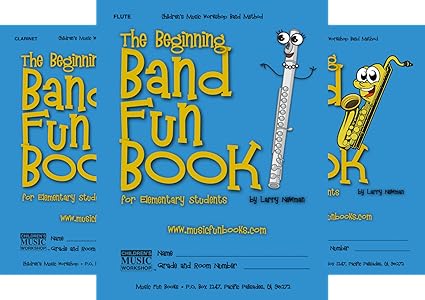
Beginning Band Fun Book
A true elementary-only beginning band method with kid-friendly songs, clear diagrams, and online audio/video support.
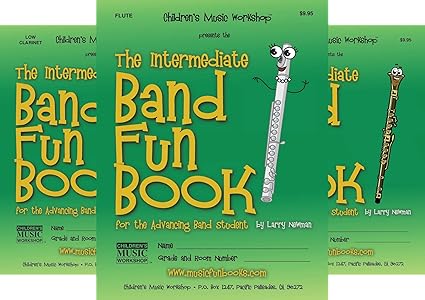
Intermediate Band Fun Book
Helps second- and third-year students build skills with scales, arpeggios, etudes, solos, and duets.
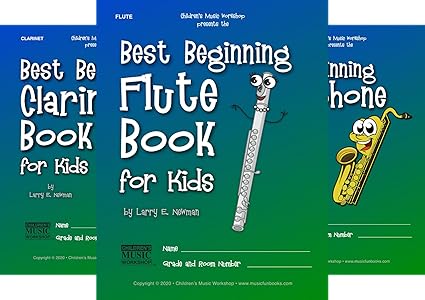
Best Beginning Band Book for Kids
Clear notation, simple arrangements, engaging illustrations, and free online support for early band students.
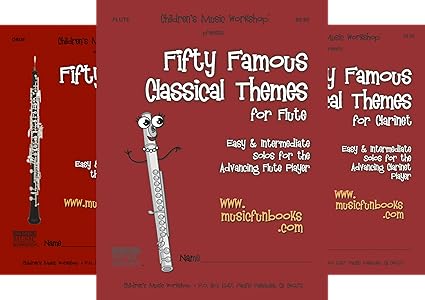
Fifty Famous Classical Themes
Famous classical melodies arranged for young instrumental musicians, with editions for strings, woodwinds, and brass.

Beginning Concert Band Series
Concert band arrangements for developing young musicians, written to support school bands and beginning ensembles.
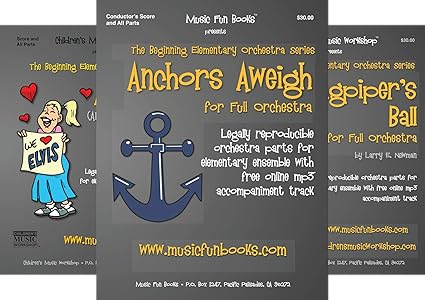
Beginning Elementary Orchestra Arrangements
Full orchestra arrangements for young beginners, including strings, woodwinds, brass, and percussion parts.
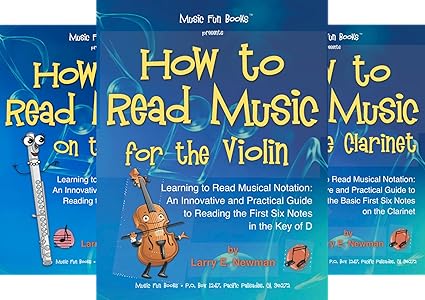
How to Read Music Series
Beginner-friendly books that help students understand notes, rhythms, and the basics of reading music.
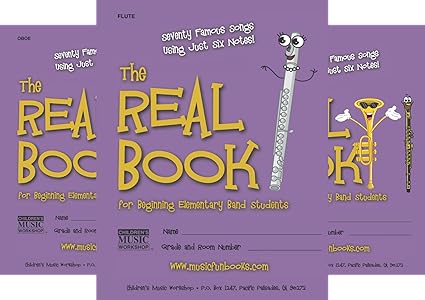
Real Book for Elementary Band
A collection of classic songs using just six notes, designed to build strong beginning music-reading skills.
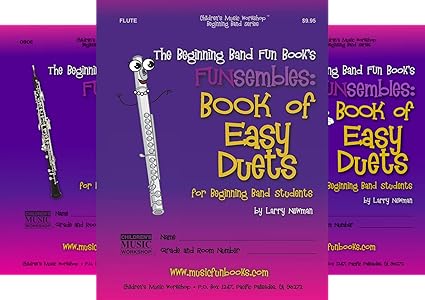
FUNsembles Easy Duets
Beginner-friendly duets for band instruments that help students develop rhythm, timing, and ensemble skills.
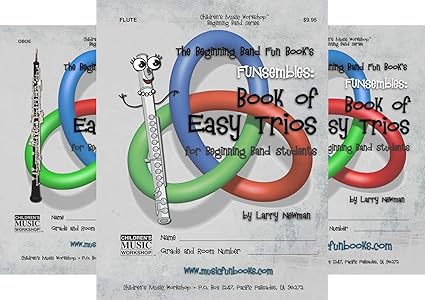
FUNsembles Easy Trios
Flexible, easy trios for developing musicians that work well in band classes, lessons, and informal performances.
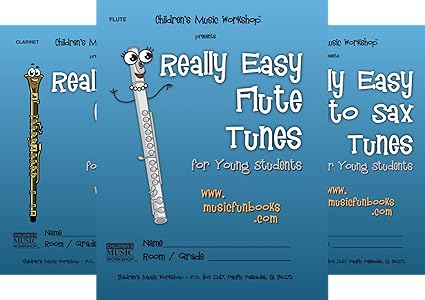
Really Easy Tunes
Extra-large notation, simple arrangements, and classic songs for young beginning musicians.
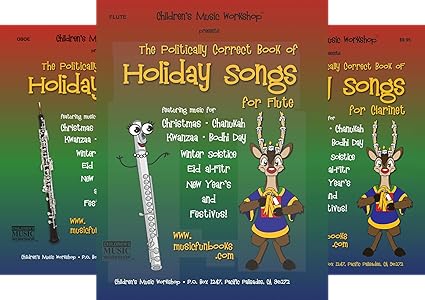
Holiday Songs
Inclusive holiday music for Christmas, Chanukah, Kwanzaa, Winter Solstice, New Year’s, and more.
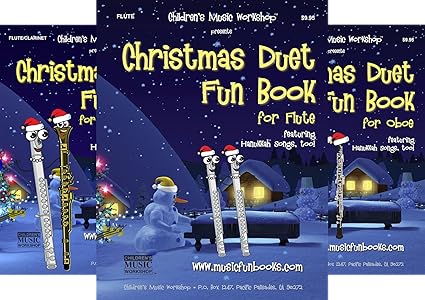
Christmas Duets
Easy holiday duets for woodwinds, brass, and strings with mix-and-match editions for festive ensembles.
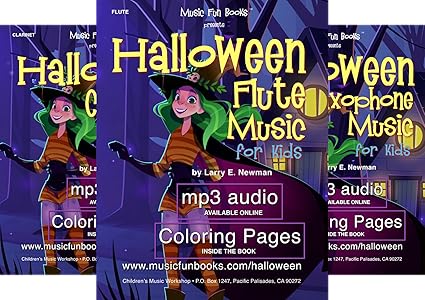
Halloween Music
Spooky-fun music for kids with originals, classics, play-along tracks, and creative Halloween themes.
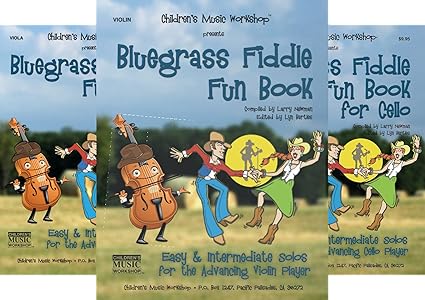
Bluegrass Fun Books Series
Ready to have a blast with bluegrass music? Look no further than “The Bluegrass Fun Book”! This incredible book brings you the joy of learning bluegrass classics in a fun and engaging way.
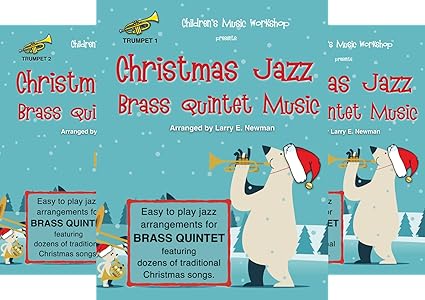
Christmas Jazz Brass Quintet
Perfectly arranged for two trumpets in B flat, a French horn, a tenor trombone, and a tuba/bass trombone, these arrangements are designed to be accessible to all levels of musicians.
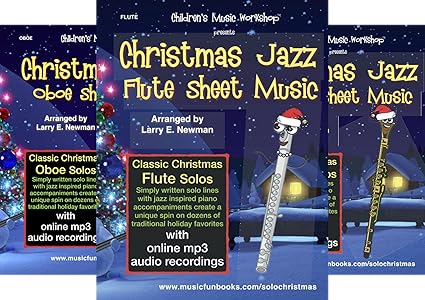
Christmas Jazz Solos Series
This collection brings together beloved Christmas melodies and timeless jazz-inspired arrangements, perfect for players of all skill levels.
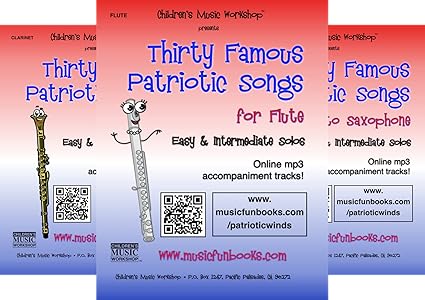
Helpful Resources for Band Directors
In addition to student books, Music Fun Books includes resources for teachers building and maintaining successful elementary band programs.
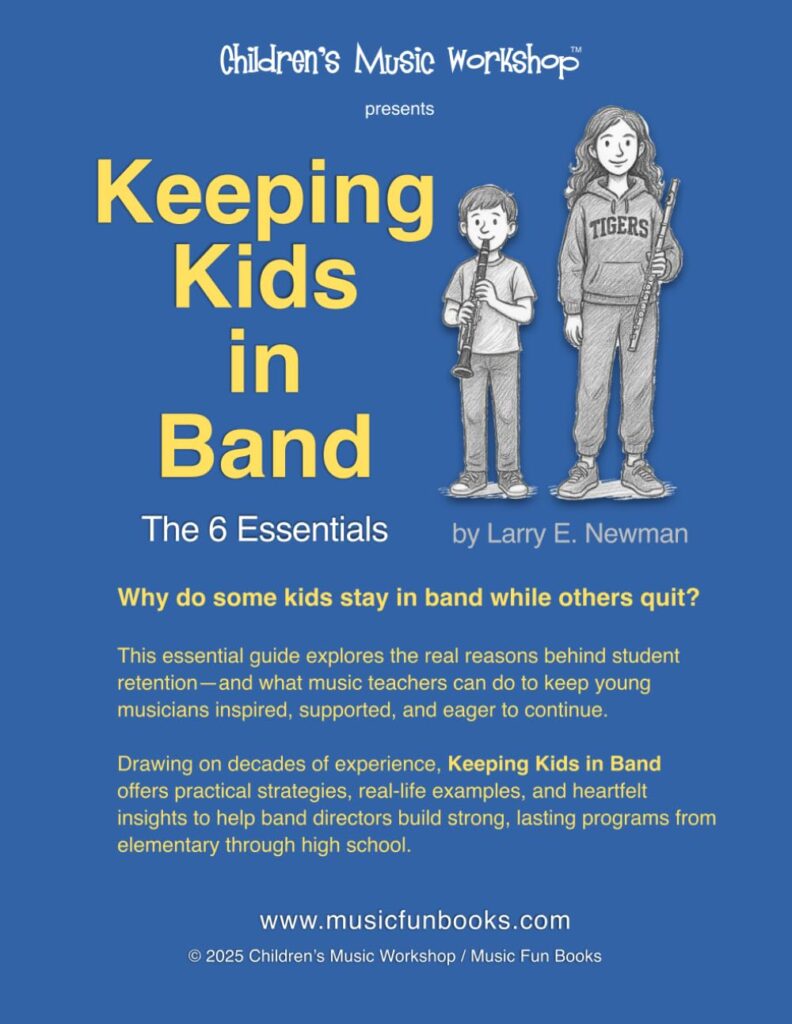
Keeping Kids in Band
A practical resource focused on student retention, motivation, and the essentials of keeping young musicians engaged.
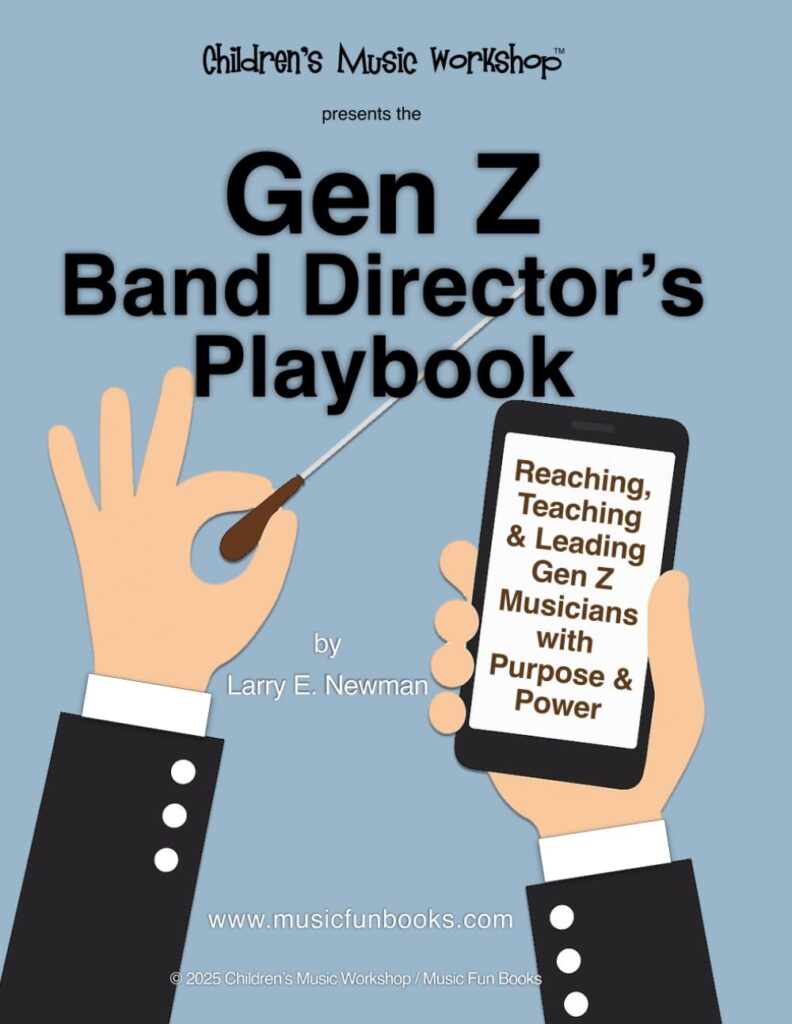
Gen Z Band Director’s Playbook
Ideas and strategies for today’s band directors working with modern students, families, and school communities.
Get Students Ready for Band
Recorder study can help young students prepare for band by building early reading, rhythm, fingering, and tone awareness.
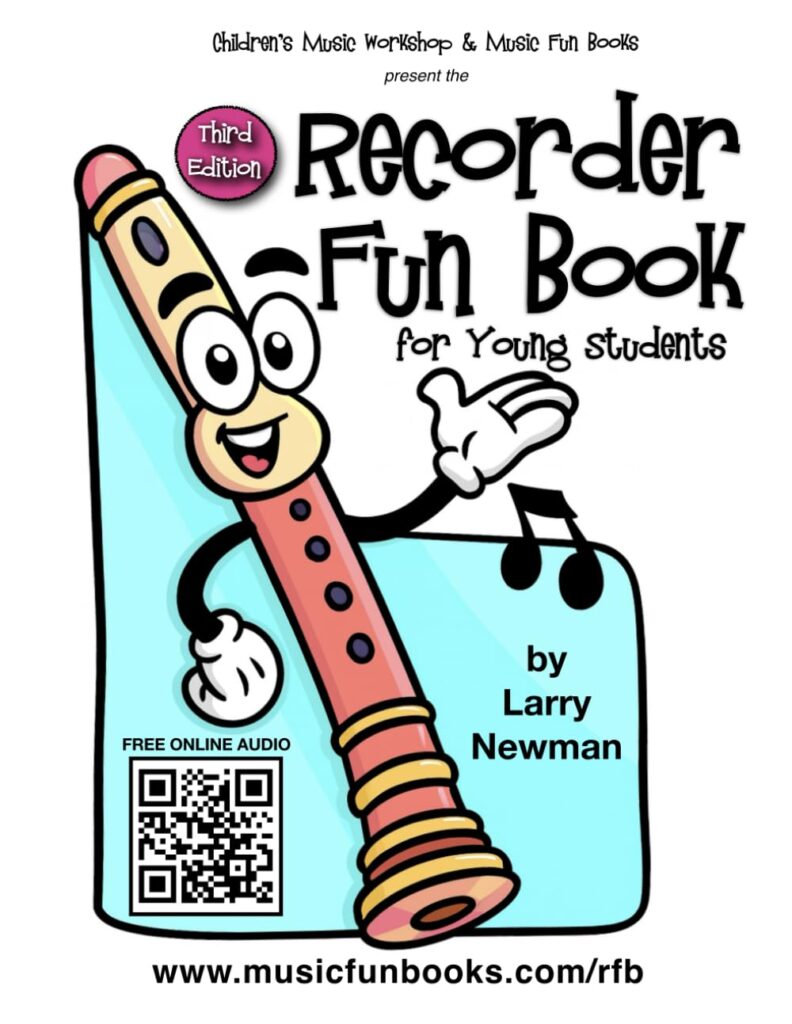
The Recorder Fun Book for Young Students
A nationally recognized recorder method that helps students build early music skills in a fun and engaging way.
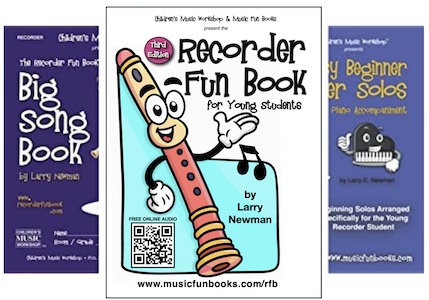
The Recorder Fun Book Series
Explore recorder books and resources that can support beginning music instruction before students enter band.
Find the Right Band Book for Your Students
Browse elementary band methods, solos, duets, trios, holiday collections, and teacher resources created to help young musicians succeed.
Comparing Popular Beginning Band Methods
How do four of the best-known beginning band methods compare with the Beginning Band Fun Book? Explore our side-by-side reviews to find the approach that best fits your students, teaching schedule and program goals.
Which Beginning Band Book Is the Best Fit?
No single method is ideal for every classroom. Some programs need a comprehensive, carefully sequenced curriculum, while others benefit from a clear, economical and student-friendly path to playing recognizable music. These four guides examine the differences and show where the Beginning Band Fun Book can serve as a primary method or a useful companion.
Tradition of Excellence
Compare this comprehensive band curriculum with the direct, accessible approach of the Beginning Band Fun Book.
- Curriculum structure and pacing
- Student engagement and repertoire
- Classroom and supplemental use
Essential Elements for Band
See how one of the most widely used beginning methods compares in pacing, presentation and flexibility.
- Lesson sequence and skill development
- Traditional method versus streamlined format
- Options for different teaching settings
Accent on Achievement
Explore the differences between a feature-rich full-band method and the focused Beginning Band Fun Book series.
- Visual presentation and lesson flow
- Full-ensemble teaching considerations
- Motivation through familiar music
Standard of Excellence
Learn how this established band method differs from the concise and approachable Beginning Band Fun Book.
- Scope, sequence and instructional depth
- Ease of use for young beginners
- Cost and practical program needs
Choosing a Band Method Is About the Program, Not Just the Book
Consider your students’ ages, the amount of weekly rehearsal time, instrumentation, budget and performance goals. A detailed traditional method may be right for one setting, while a faster and more inviting introduction may work better in another. Many teachers also combine resources, using one book for sequential instruction and another to reinforce skills with music students are excited to play.
Product names belong to their respective publishers. These independent comparisons are provided to help music educators and families make informed choices.

Shop Yamaha Student Instruments
A dependable, well-made instrument can make an important difference for a beginning musician. Yamaha is a respected maker of student and professional instruments known for consistent quality, reliable construction, and broad support from music stores and repair technicians.
Before purchasing, compare the exact model and seller and consult the student’s music teacher or band director when possible.
Helpful Band Articles for Students, Parents, and Teachers
Explore practical guidance for beginning band students—from choosing a school music program to improving flute tone, selecting clarinet and saxophone reeds, caring for instruments, solving common playing problems, and building healthy trumpet habits.
Choosing and Joining a School Band
Band vs. Orchestra: Which Is Right for My Child?
Compare the instruments, sounds, and learning experiences offered by school band and orchestra programs to help a child make a confident choice.
Elementary Band and Orchestra Programs
Learn how elementary instrumental music introduces children to woodwinds, brass, strings, ensemble playing, teamwork, and musical expression.
Flute Articles
Five Important Things to Know About Producing a Good Sound on the Flute
Help a beginning flutist develop a clearer tone through focused air, relaxed embouchure, accurate articulation, covered keys, and balanced posture.
How Do You Switch Octaves on a Flute?
Discover how faster, more focused air and small embouchure adjustments help flute students move smoothly between lower and higher octaves.
Clarinet and Saxophone Articles
Clarinet and Saxophone Reeds: Strength, Size, Cut, and Brand
Understand how reed strength, cut, brand, mouthpiece, and the individual player affect tone, response, articulation, and playing comfort.
Clarinet Reed Sizes for Beginners: What Strength Should a Student Use?
Find practical starting strengths for young clarinet players and learn how a reed that is too hard or too soft can affect response and sound.
How to Care for a Clarinet
Learn the essential routine for careful assembly, swabbing, mouthpiece cleaning, reed protection, cork grease, and safe instrument storage.
Why Does My Clarinet Squeak?
Identify common causes of clarinet squeaks, including uncovered tone holes, reed placement, biting, uneven air support, finger movement, and leaks.
Trumpet Articles
Don’t Forget to Breathe When You Play the Trumpet
Build a fuller trumpet tone, longer phrases, better endurance, and more relaxed playing by developing healthy breathing and air support.
My Trumpet Feels Clogged and Will Not Blow. What Should I Do?
Check valve alignment, the mouthpiece, leadpipe, and tuning slides when air suddenly will not pass through a trumpet.
How to Play the Trumpet with Braces
Help a trumpet student adjust gradually to braces, reduce mouthpiece pressure, practice comfortably, and work with a teacher and orthodontist.
How to Practice Trumpet in an Apartment Without Disturbing the Neighbors
Explore practical ways to reduce trumpet volume with a practice mute, considerate scheduling, room selection, and respectful communication.
Recorder Article
Benefits of Playing the Recorder for Children
See how recorder study can develop breath control, fingering, rhythm, note reading, listening, concentration, confidence, and ensemble skills.