How to Read Music Series
Help young musicians make the leap from recognizing letter names to reading real music notation. Four instrument-specific books offer a simple, encouraging way to build note-reading confidence.
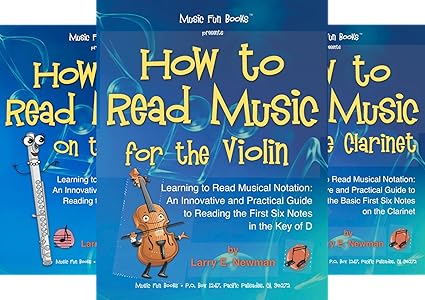
Choose Your Instrument
Each edition reinforces staff reading with short, approachable musical examples. Select an instrument to learn more about its book.
How to Read Music for the Violin
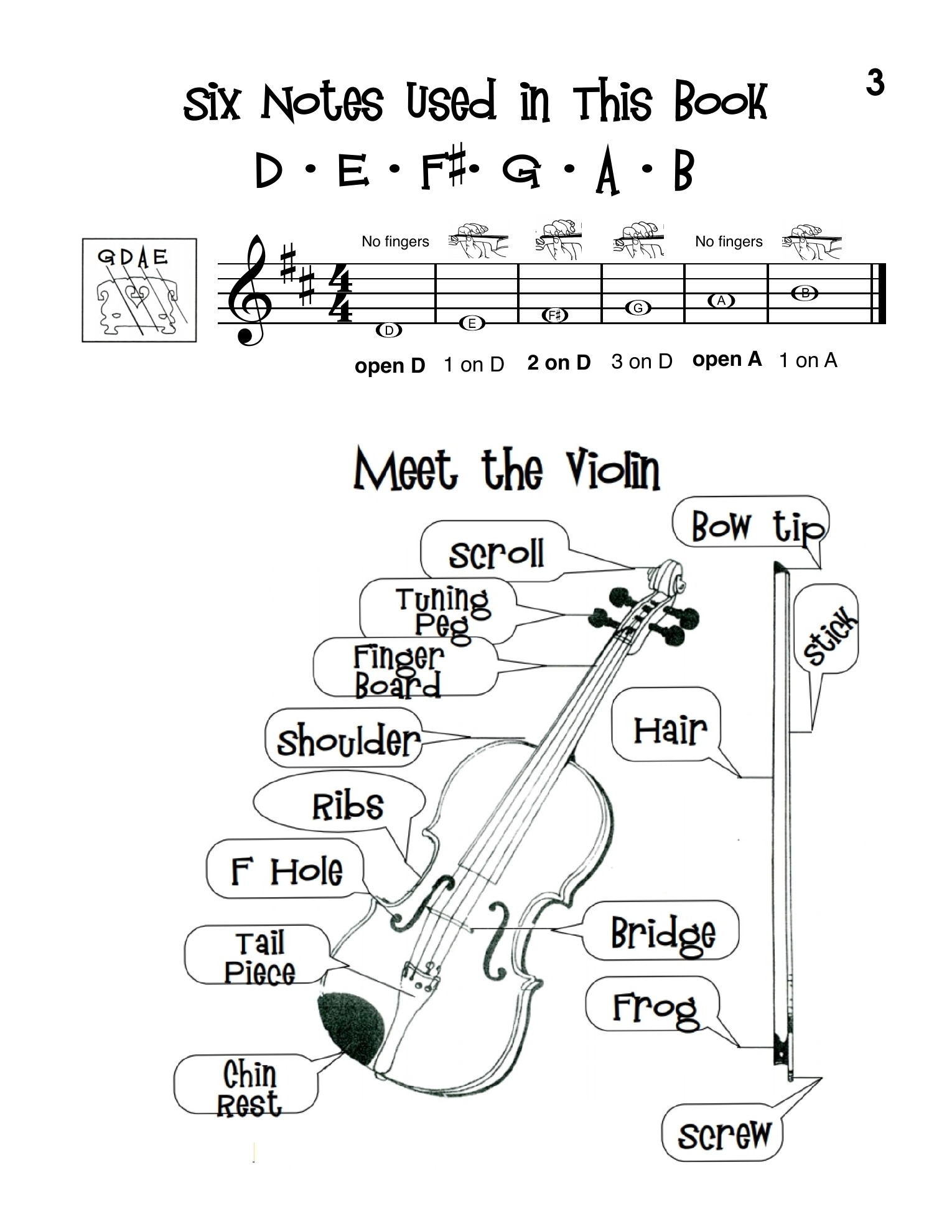
Develop note recognition and connect written pitches with violin finger positions. An ideal supplement for young string players who know some basic notes but need practice reading them.
Learn More About ViolinHow to Read Music on the Flute
Give beginning flutists extra practice identifying notes, following simple rhythms, and moving toward reading notation without letter-name assistance.
Learn More About FluteHow to Read Music on the Clarinet
Build confidence connecting staff notes to clarinet fingerings with short musical exercises that make independent note recognition more approachable.
Learn More About ClarinetHow to Read Music on the Trumpet
Reinforce the written notes that young trumpet players encounter in beginning band and private lessons through focused, manageable reading practice.
Learn More About TrumpetLook Inside: How to Read Music for the Violin
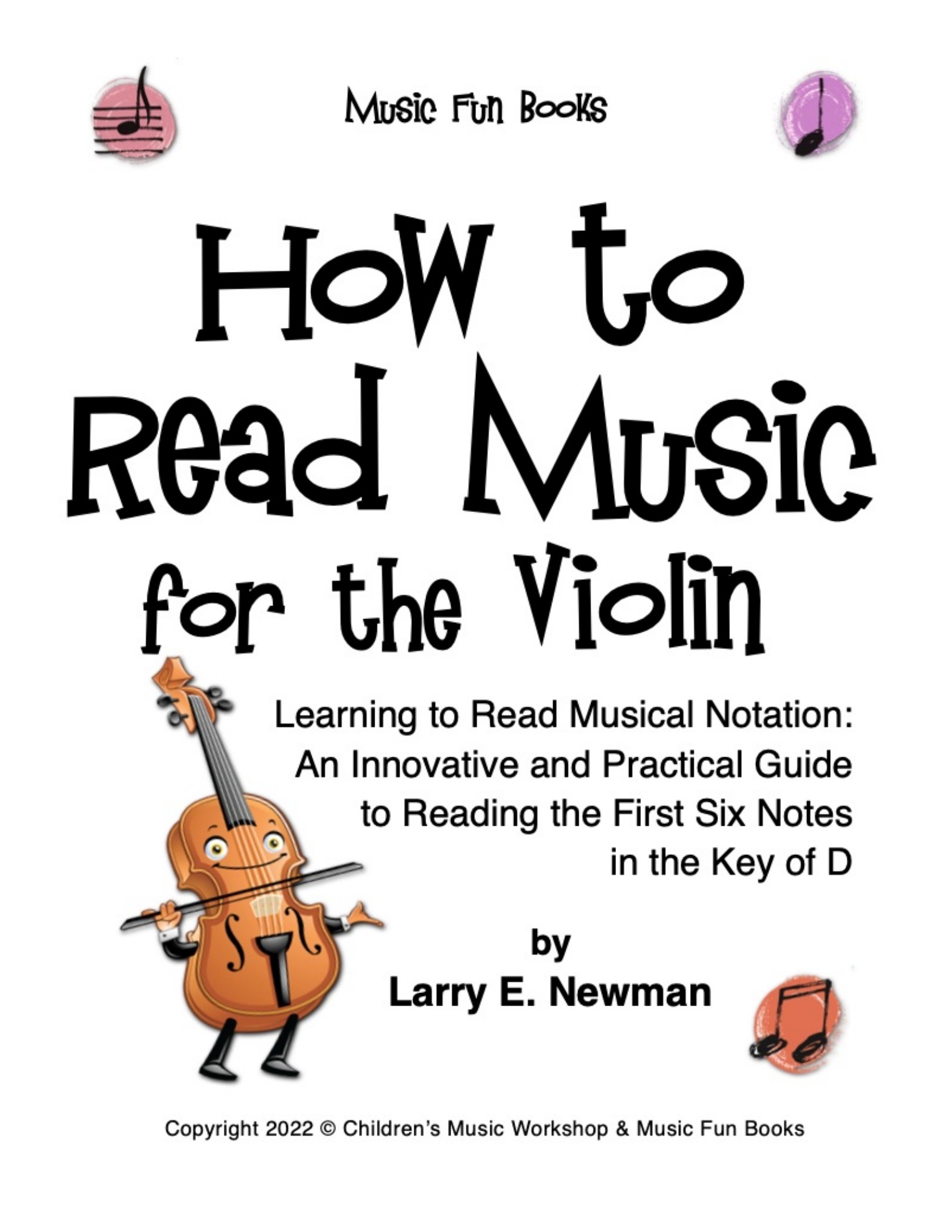
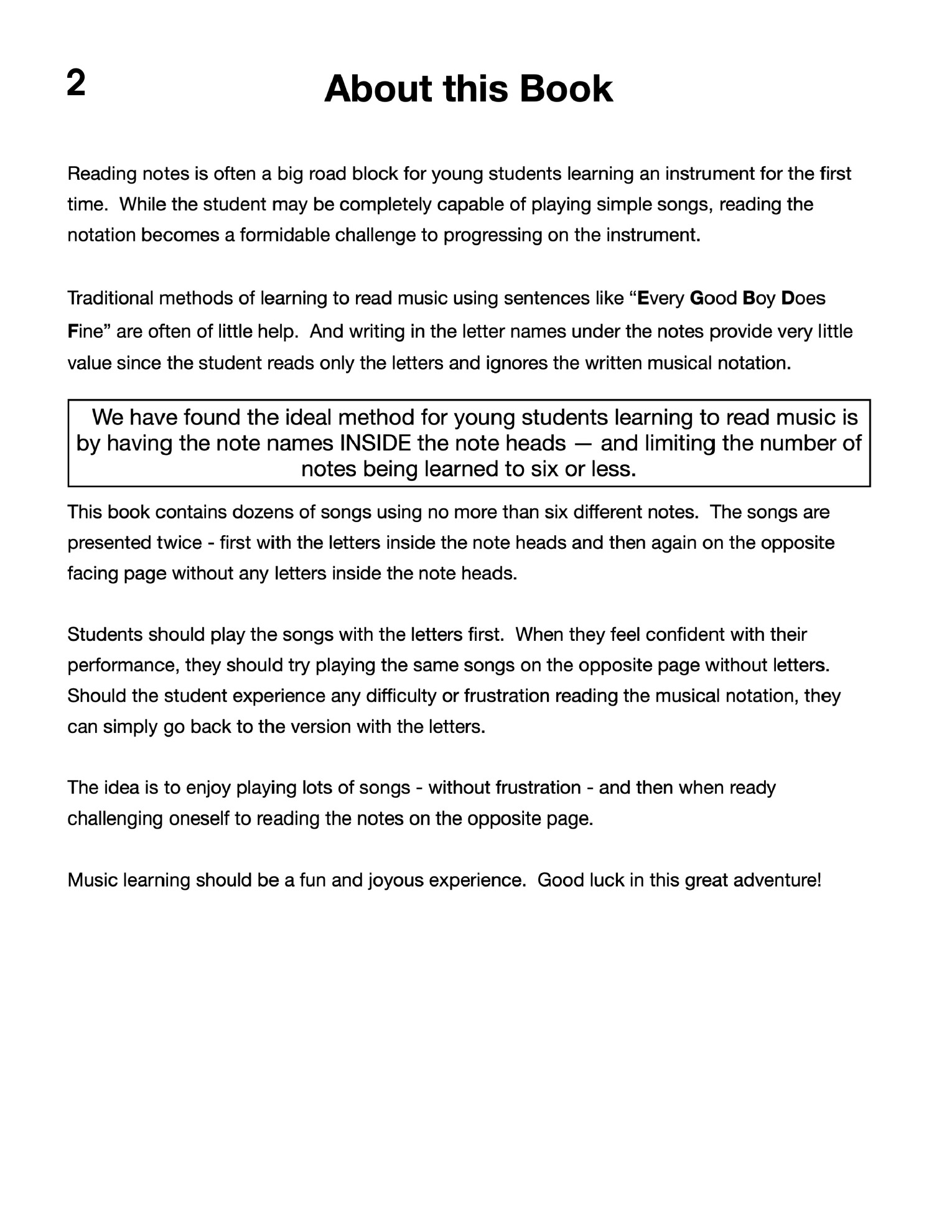
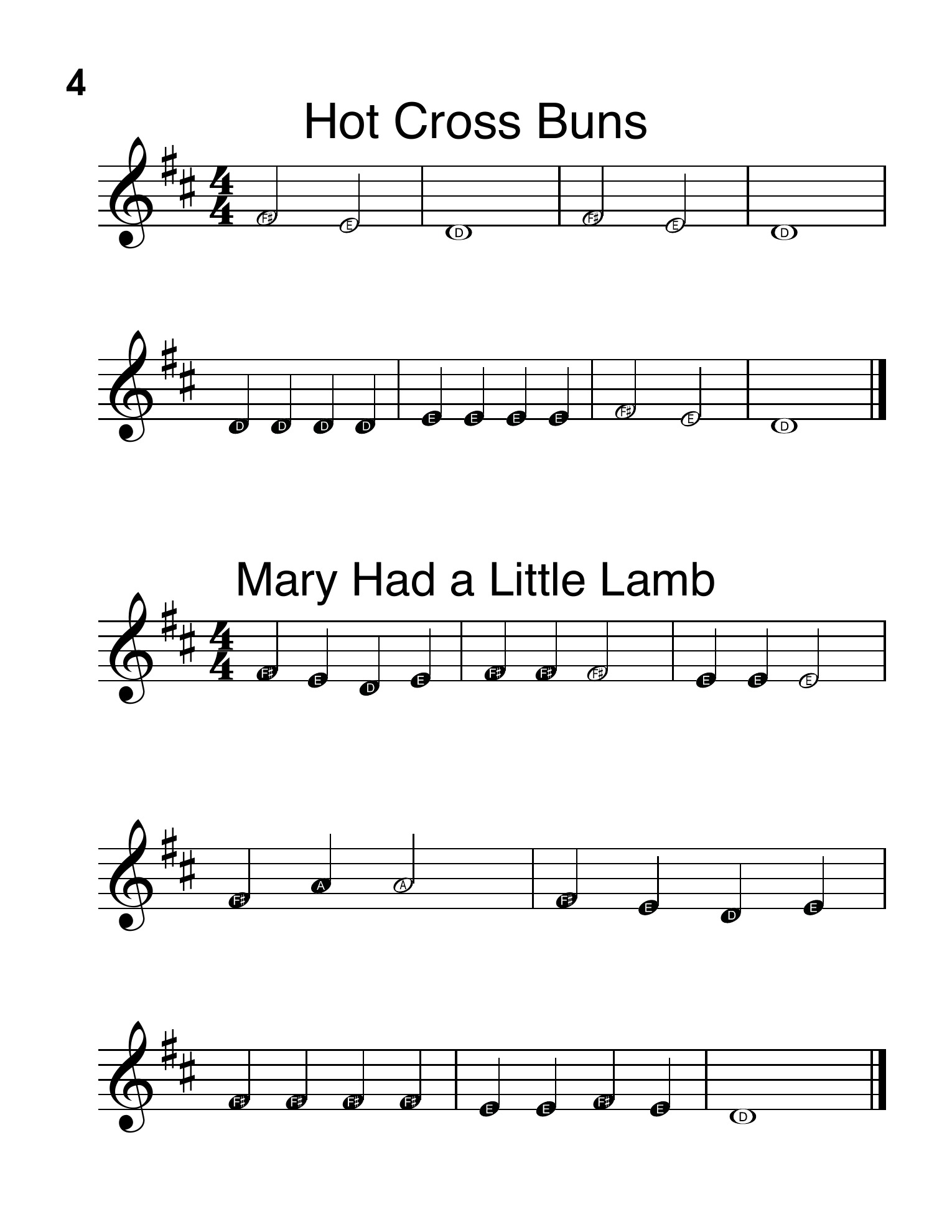
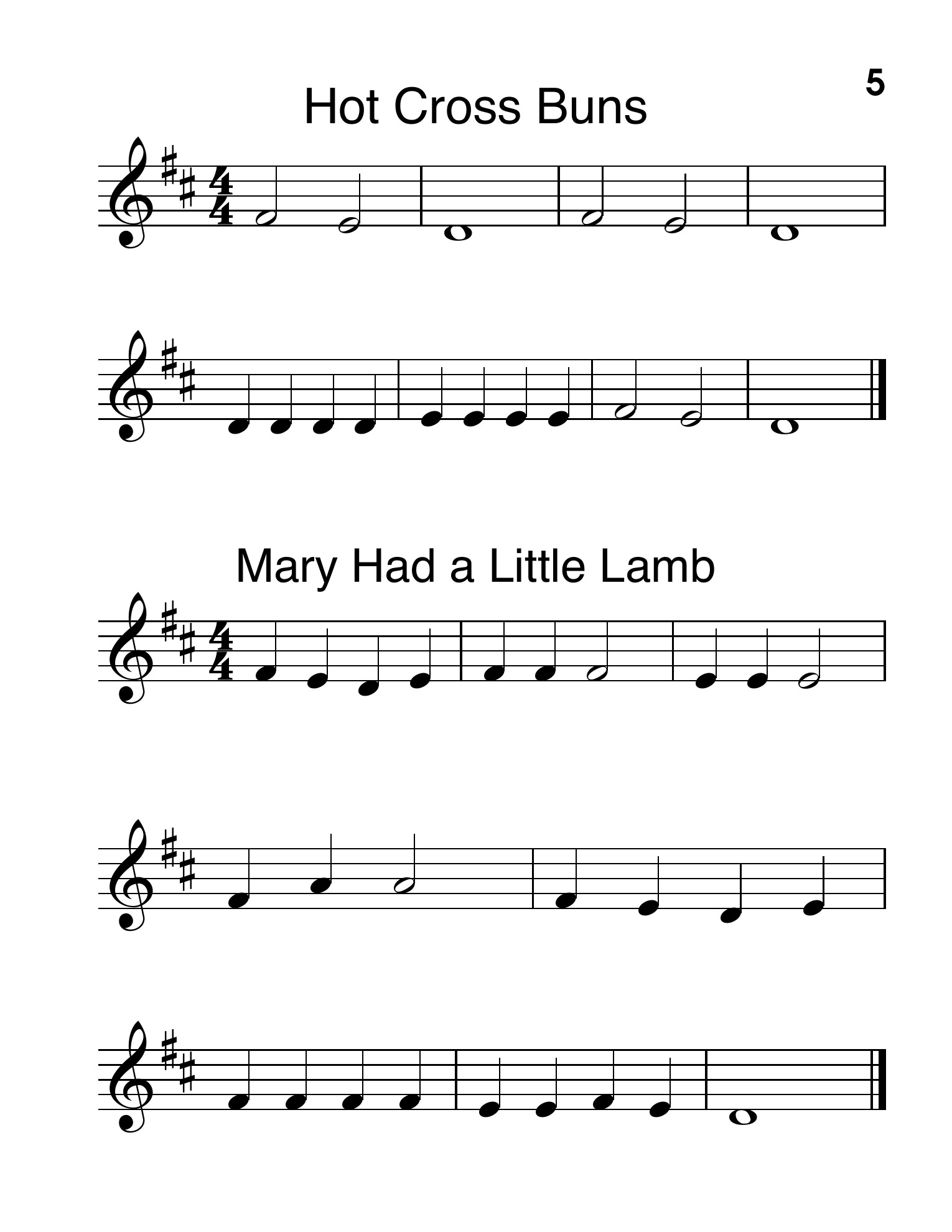
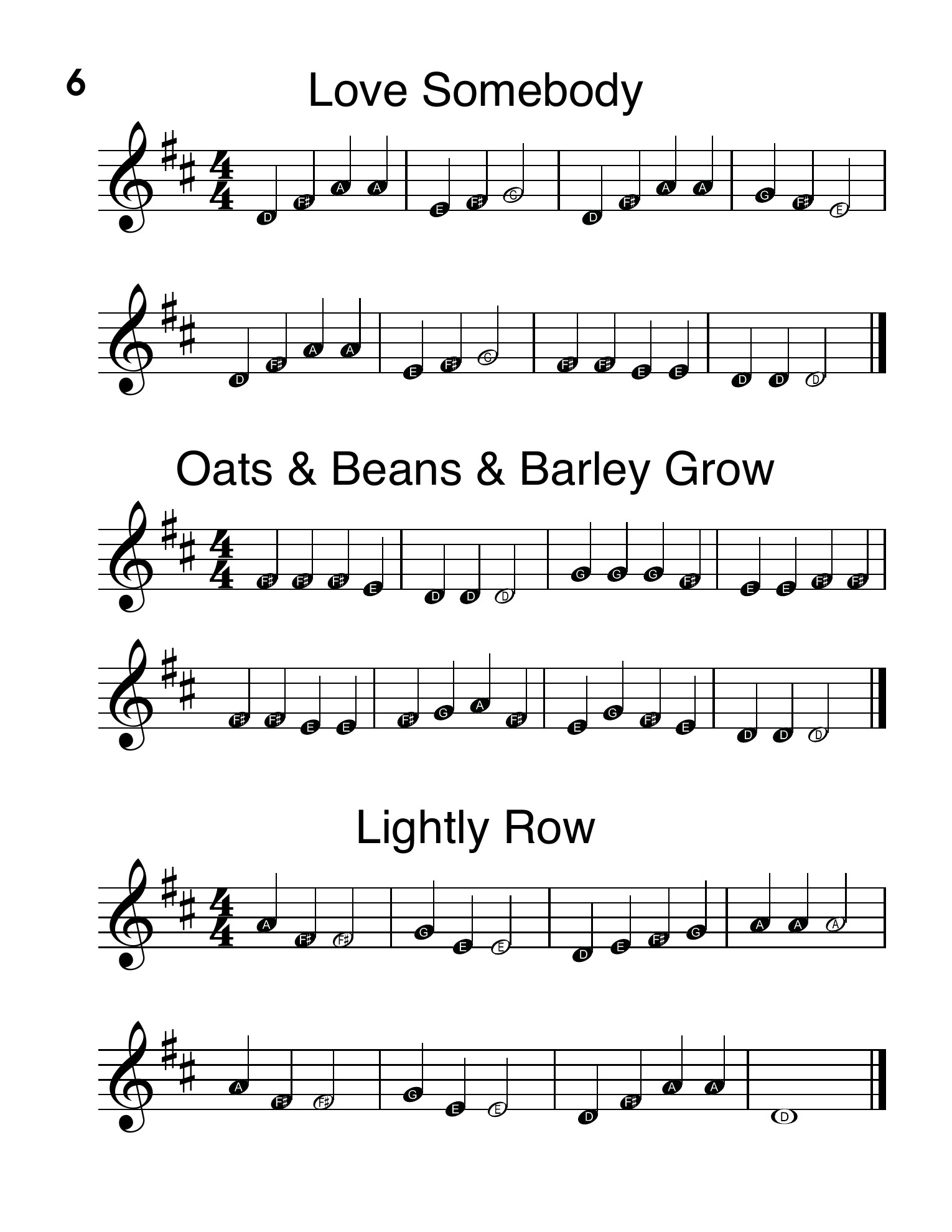
Preview six pages from the violin edition, including the introduction, six-note chart, violin diagram, and beginning songs. Click any page to see it full size.
From Letter Names to Real Music Reading
The series uses a clear progression to help students develop independence, rather than relying permanently on letters printed in their music.
Work with a small, manageable set of notes and short melodies.
See the note names inside noteheads while connecting the staff to instrument fingerings.
Play the corresponding music in standard notation to strengthen genuine reading fluency.
Why Teachers Like This Approach
- Designed for young beginning instrumentalists.
- Short examples that are easy to assign and repeat.
- Limited notes help students focus on reading rather than decoding everything at once.
- With-letter and without-letter versions support gradual independence.
- Useful for private lessons, school band and orchestra, and practice at home.
A Helpful Companion to Method Books
These books focus on reading music. They work best alongside an instrument method or teacher-led instruction that also develops posture, sound production, fingerings, and technique.
Teachers can use a short selection as a warm-up, a targeted review, or a weekly reading assignment.
Resources for Schools & TeachersFrequently Asked Questions
Is this a complete beginner instrument method?
No. These are supplemental books focused on reading notation. Instrument technique and fundamentals should be taught through a method book or qualified instructor.
Does my student need to read music already?
No fluency is required. However, it helps if a student can already produce a sound and play a few beginning notes on their instrument.
How do the letter names work?
The notes appear with letter-name cues to help students find their place. Students then practice the music without those cues, gradually developing independent reading.
Can I use these books in school programs?
Yes. The series makes a convenient reading supplement for beginning band, orchestra, small groups, and individual lessons.