Music Fun Books beginner instrument guide
Beginner’s Guide to the Flute
A practical guide for parents, children, and music teachers covering readiness, curved headjoints, renting or buying, the first sound, early lessons, and everyday flute care.
Many children begin in fourth or fifth grade, but comfort and readiness matter more than a specific age.
A curved headjoint can reduce the reach for a smaller child and support a more natural playing position.
Begin with the headjoint, a relaxed posture, and a clear, comfortable sound before adding many notes.
Meet the instrument
What is the flute?
The concert flute is a high, clear-sounding woodwind instrument. Unlike the clarinet or saxophone, it uses no reed. The player directs air across the opening in the headjoint, much like blowing across the top of a bottle.
Where children play it
The concert flute is common in elementary and middle school bands, concert bands, orchestras, flute ensembles, and private lessons. It can carry a melody, blend into an ensemble, and later lead to related instruments such as the piccolo.
What makes it distinctive
The flute is held horizontally to the player’s right. It is light to carry, but the sideways position asks the arms, shoulders, hands, lips, and breath to work together. Producing the first sound may take patience even when the fingerings feel easy.
Teaching perspective: In more than four decades of elementary instrumental music teaching, Larry Newman has found that a child’s early success often depends less on age than on a comfortable instrument fit, patient tone work, and music that gives the student frequent small victories.
A good match for a child?
Look for readiness, not one perfect starting age
Many school programs introduce flute in fourth or fifth grade. Some children can begin earlier, especially with an appropriately fitted instrument and individual instruction. Consider these four areas together.
Comfortable reach
The child should reach the keys without lifting a shoulder, twisting the neck, or locking the arms. A curved headjoint may help a smaller player.
Hand control
Fingers need to rest gently over the keys and move independently. The student should be able to hold the flute without squeezing.
Breath and patience
The first tone is not always immediate. A child who can listen, adjust, rest, and try again is more important than a child who can blow forcefully.
Real musical interest
Students practice more willingly when they genuinely enjoy the flute’s sound and can imagine themselves playing it at school or in lessons.
A simple fit test: Ask a flute teacher, band director, or knowledgeable music-store specialist to watch the child hold a straight-headjoint flute. If the right shoulder rises, the head turns sharply, or the arms look strained, compare a curved-headjoint model before making a decision.
Renting, buying, and fit
How to choose a beginner flute
A reliable student instrument should respond easily, seal properly, and be supported by someone who can adjust or repair it. Brand name alone cannot replace a play-test and mechanical inspection.
Renting can be a smart first step
- It gives a new student time to confirm that flute is the right choice.
- Many school-oriented rental programs include routine service or an exchange option.
- It can make changing from a curved to a straight headjoint easier as the child grows.
- Ask what portion of the rental applies toward purchase and what damage coverage includes.
Buying can work when quality is verified
- Choose a recognized student model that a local repair technician is willing and able to service.
- For most beginners, closed-hole keys and a C foot are practical and uncomplicated.
- Make sure the case holds every piece securely and closes reliably.
- Have a used flute checked for pad leaks, bent keys, sluggish mechanisms, and proper headjoint fit.
What should parents avoid?
A very low price can be tempting, but an instrument that leaks, bends easily, or cannot be repaired locally may make a beginner believe the playing problem is their fault. Avoid buying an unknown instrument solely from a photo or product description. Ask the child’s teacher or a qualified repair shop to approve the model whenever possible.
A trusted choice for students
Considering Buying a Flute? Brand and Quality Matter
For a beginning player, a dependable instrument can make an enormous difference. A well-made flute is more likely to respond easily, seal properly, stay in adjustment, and be serviceable by a qualified repair technician.
Why consider Yamaha?
Yamaha has long been one of the most respected names in student and professional musical instruments. Its student flutes are known for consistent manufacturing, dependable keywork, good response, and broad support from music stores and repair technicians.
That is especially important for a beginner. When an instrument works properly, the student can concentrate on producing a good sound, learning fingerings, reading music, and developing good habits instead of struggling with equipment problems.
- A recognized brand is generally easier to have adjusted, serviced, and repaired.
- Reliable keywork and properly sealing pads help a young player get a more predictable response.
- Yamaha’s student models are designed for developing players and are widely used in school music programs.
- Before ordering, confirm the exact model with the student’s teacher and check the Amazon seller, return policy, and warranty information.
 Shop Yamaha Flutes
Compare current Yamaha YFL models, sellers, pricing, and delivery options on Amazon.
View Yamaha Flutes on AmazonThe first lessons
How beginners get started
The first lessons should build a relaxed sound and comfortable posture. Playing many notes quickly is less important than learning a few things correctly and confidently.
-
Learn the three main parts.Identify the headjoint, body, and footjoint before assembling the instrument.
-
Make a sound on the headjoint.Place the lip plate below the lower lip and direct a small, focused stream of air across the opening. Small changes in angle can make a large difference.
-
Assemble without twisting the keys.Hold the smooth tubing rather than gripping the keywork. A teacher should demonstrate alignment and safe handling.
-
Balance before pressing.Bring the flute to the face, keep the shoulders down, and let the fingers rest naturally. Avoid squeezing the keys or forcing the wrists into position.
-
Add a few notes and short songs.Early success with B, A, and G lets the student coordinate tone, fingers, rhythm, and reading without too much information at once.
Keep practice short and successful: Several focused minutes on headjoint tone, posture, and two or three familiar exercises can be more productive than a long session that ends with tight shoulders or unfocused blowing. If a student feels lightheaded, stop playing, sit down, and rest. Resume only when the child feels completely normal.
Watch: How to Play the Flute
These short video lessons demonstrate the same first steps described above. Choose any lesson below and it will play here without leaving the Flute guide.
Protect the instrument
Simple flute care after every practice
Moisture and rough handling cause many avoidable problems. A consistent two-minute routine helps the flute play better and reduces repair needs.
After playing
- Disassemble the flute by holding the smooth tubing, not the keys.
- Wrap a clean, absorbent cloth around the cleaning rod so no metal tip is exposed.
- Remove moisture from the headjoint, body, and footjoint.
- Gently wipe fingerprints from the outside without pressing on the keywork.
- Return every piece to its fitted place in the case.
Leave repairs to a technician
- Do not bend keys back into place or tighten random screws at home.
- Do not use household silver polish on the flute.
- Do not pull cleaning paper sideways while a key is closed on it.
- Ask for service if notes become unusually difficult, keys stick, pads remain wet, or the mechanism feels loose.
- Never leave the instrument in a hot or cold car.
Questions parents ask
Frequently asked questions about beginning flute
What age is best for starting the flute?
There is no universal best age. Many children begin through school band in fourth or fifth grade. A younger student may also succeed with individual instruction and a curved headjoint if the instrument fits comfortably. Readiness, reach, attention, and interest matter more than the birthday alone.
Does my child need a curved headjoint?
Only if a straight headjoint creates strain. A curved headjoint shortens the reach and may allow a smaller child to keep the shoulders, neck, and arms in a more natural position. Have a teacher compare both setups with the child before renting or buying.
Why does the flute sound airy at first?
The player must aim air across the edge of the embouchure hole without a reed or fixed mouthpiece to guide it. An opening that is too wide, an incorrect air angle, or too much tension can create an airy sound. Return to the headjoint, relax, and make very small adjustments.
Should a beginner rent or buy?
Renting is often useful when the child is trying the instrument, may need a curved headjoint, or would benefit from included maintenance. Buying can make sense when the family chooses a dependable student model that has been inspected and can be repaired locally.
How can I tell whether the problem is the child or the flute?
If a note remains unusually difficult after the teacher checks posture, air direction, and finger placement, the flute may have a leaking pad or another mechanical issue. A teacher or repair technician can often separate an equipment problem from a technique problem quickly.
How long should a young beginner practice?
Consistency matters more than one long session. Start with short, attentive practice that includes headjoint tone, posture, a few notes, and one or two songs. Stop before fatigue causes tight shoulders, poor hand position, or careless handling.
Music Fun Books resources
Three useful ways to begin learning
These resources serve different needs. Choose a school-band method, a very gentle three-note introduction, or a familiar-song collection that strengthens early music reading.
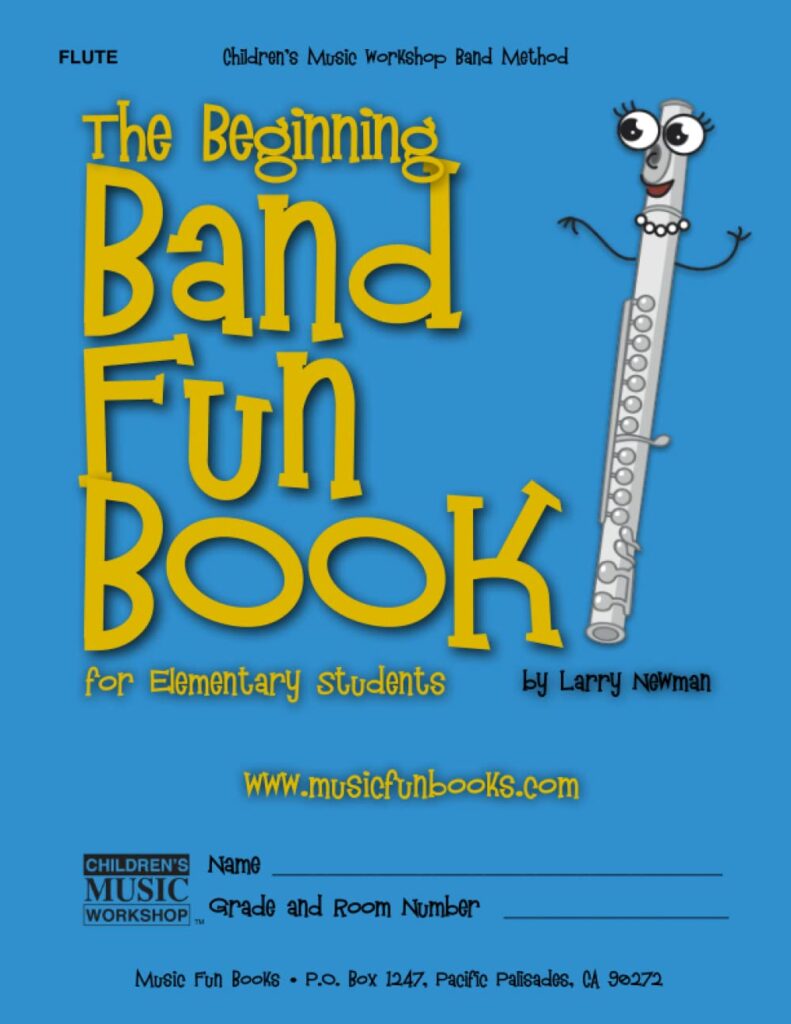
The Beginning Band Fun Book (Flute)
A child-focused school-band method with large notes, letter names inside the note heads, clear diagrams, gradual pacing, and free online audio support.
Learn About This Flute Book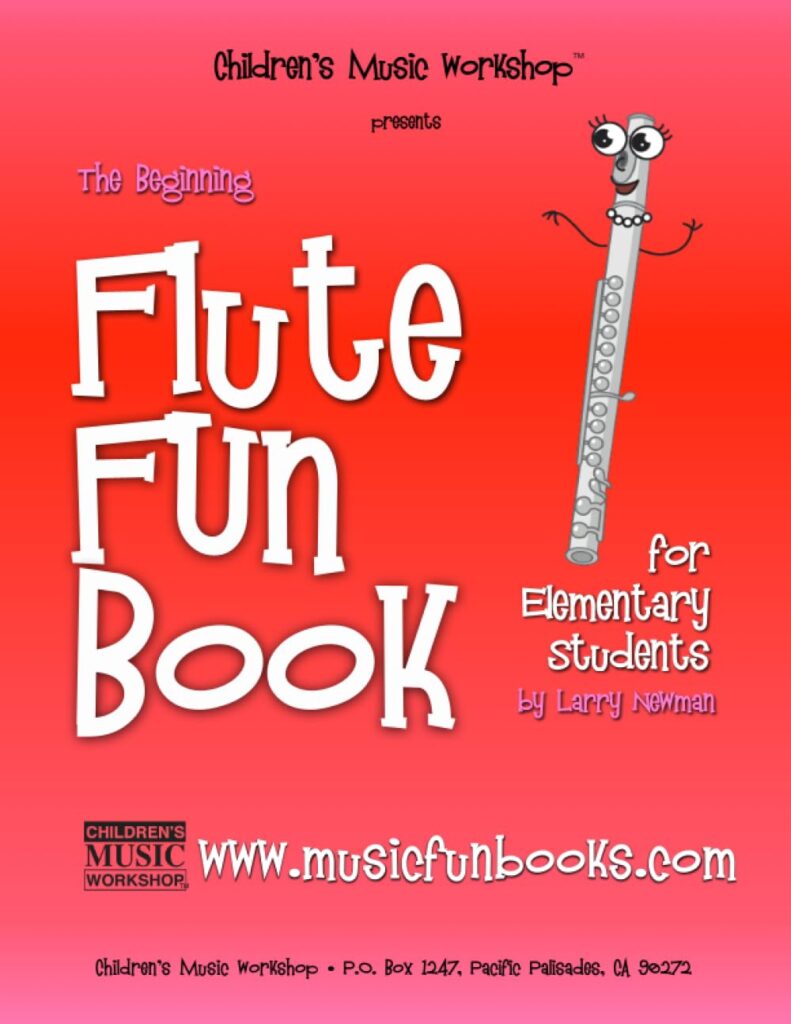
The Beginning Flute Fun Book
A gentle stand-alone introduction built around the first notes B, A, and G. It helps young players focus on tone, posture, rhythm, and early reading.
Learn About This Flute Book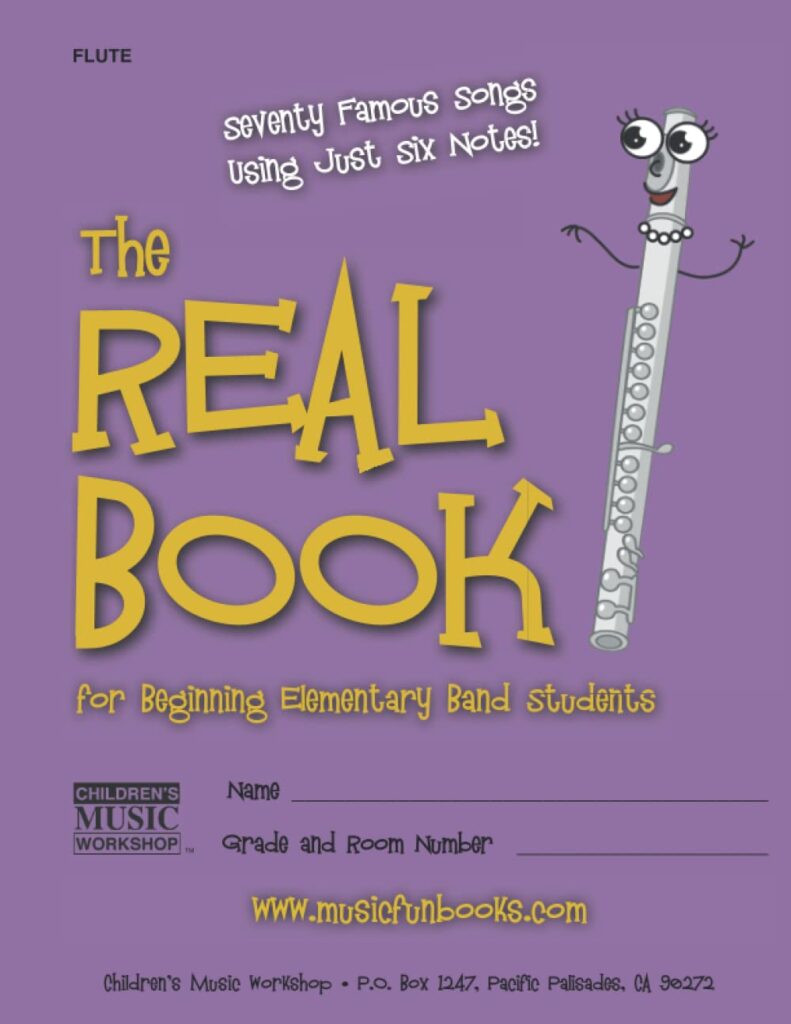
The Real Book for Beginning Elementary Band Students (Flute)
Seventy familiar songs using only six notes, with letter names in the first half and standard notation in the second to encourage independent reading.
Learn About This Flute BookContinue learning
Flute books, practice support, and helpful articles
Browse all Flute Books
Explore the complete Music Fun Books collection of methods, reading books, solos, duets, trios, holiday music, and repertoire for flute.
Visit the Flute Books collectionUse free Beginning Band support
Listen to play-along tracks and find beginner instrument videos that support students using The Beginning Band Fun Book.
Open the audio and video support pageImprove the first flute sound
Review five essentials for a clear tone: relaxed embouchure, steady air, light tonguing, accurate fingers, and balanced posture.
Read the flute tone guideLearn to switch octaves
See how focused air and small embouchure adjustments help developing students move between lower and higher flute notes.
Read the octave guideChoose the instrument first, then choose the right learning path
A comfortable flute, patient help with the first sound, and short successful practice sessions can give a young musician a confident beginning.
Explore All Beginner Instrument Guides