Music Fun Books Instrument Guide
Beginner’s Guide to the Trumpet
Help a young musician choose a dependable trumpet, produce the first clear sounds, begin reading music, and develop healthy playing and care habits.
Most school band students begin on a B-flat trumpet.
Use relaxed lips and steady air to create a centered sound without forcing.
Move valves gently, use proper valve oil, and empty moisture after playing.
Meet the instrument
Why children enjoy the trumpet
The trumpet is compact, bright, and central to concert band, jazz band, marching band, orchestra, and many popular styles. With only three valves, it looks simple, but players also change notes with air, lip vibration, and embouchure.
What kind should a beginner use?
A standard B-flat student trumpet is the normal choice for school band. Specialty trumpets, pocket trumpets, cornets, and professional models should not replace the school-approved instrument unless the teacher recommends them.
How the sound begins
The lips vibrate as air passes through the mouthpiece. The goal is not to press hard or blow as forcefully as possible. A comfortable mouthpiece position, supported air, and relaxed corners help produce a steady tone.
Helpful expectation: A beginner may buzz easily on one day and struggle the next. Short, patient attempts are healthier and more effective than forcing the lips when they become tired.
Before beginning
Is your child ready for trumpet?
Trumpet does not demand a large hand span, but the student needs enough physical comfort and attention to hold the instrument well and practice sound production patiently.
Comfortable hold
The child can support the trumpet without raising the shoulders or pressing the mouthpiece.
Healthy front teeth
Loose front teeth or major dental changes can temporarily affect comfort and tone.
Steady air
The student can take a relaxed breath and sustain a gentle stream of air.
Patient repetition
The student is willing to repeat short buzzing, tone, and fingering exercises.
Choosing an instrument
Renting, buying, and selecting a reliable trumpet
A well-maintained student trumpet from a reputable maker is a better beginning tool than a decorative instrument with uncertain valves, slides, or replacement parts.
Renting may be best when…
- The child is joining band for the first time.
- The teacher or school recommends specific models.
- The plan includes routine service and accidental-damage coverage.
- The family wants time before committing to a purchase.
Buying may make sense when…
- The student is committed and the teacher approves the model.
- The valves and slides can be inspected before purchase.
- A reputable seller offers service, parts, and a return policy.
- A used trumpet can be evaluated by a repair technician.
What the setup should include
- A teacher-approved mouthpiece
- Trumpet valve oil and slide grease
- A cleaning snake and mouthpiece brush
- A polishing cloth appropriate for the finish
- A fitted protective case
What to inspect
- All three valves move quickly and return smoothly.
- Tuning slides move but do not wobble or leak.
- The leadpipe and bell have no serious damage.
- The mouthpiece receiver is round and undamaged.
- Water-key corks seal properly.
A trusted choice for students
Considering Buying a Trumpet? Look for a Recognized Brand
For a beginning trumpet player, instrument quality matters. A dependable trumpet should have smooth, responsive valves, properly fitted slides, solid construction, and readily available service and replacement parts. A poorly made instrument can create sticking valves, air leaks, tuning problems, and unnecessary resistance that make learning harder than it needs to be.
Why I recommend considering Yamaha: Yamaha is a long-established maker of student and professional musical instruments. Its student trumpets are widely respected for consistent manufacturing, reliable valve action, durable construction, good response, and strong support from music stores and repair technicians. For a young beginner, that reliability matters: when the trumpet works properly, the student can focus on breathing, buzzing, embouchure, valve combinations, rhythm, and reading instead of fighting equipment problems.

Shop Yamaha Trumpets on Amazon
A standard B-flat student trumpet is the usual choice for a beginner. Compare the exact Yamaha model, seller, included mouthpiece and accessories, and return policy before purchasing, and ask the student’s music teacher or band director for guidance when possible.
View Yamaha Trumpets on AmazonFirst lessons
How beginners get started
Early trumpet success comes from coordinating breathing, buzzing, holding, valve combinations, and articulation one step at a time.
Assemble the mouthpiece gently
Insert it with a light twist. Never hit, force, or pound the mouthpiece into the receiver.
Learn a balanced hold
Keep the shoulders relaxed, support the trumpet mainly with the left hand, and curve the right-hand fingers over the valves.
Create the first buzz and sound
Use a natural lip vibration and steady air without excessive mouthpiece pressure.
Add valve combinations
Press valves straight down and release them completely while keeping the fingers close.
Coordinate tonguing and simple songs
Use a light tongue stroke to begin notes, then connect sound, rhythm, and reading in short familiar melodies.
How to Play the Trumpet: Video Lessons
Select any lesson below. The player changes while the Music Fun Books page address stays the same.
After every practice
Simple trumpet care
Moisture, dirty valves, and stuck slides cause many avoidable problems. A regular routine keeps the trumpet responsive and prevents expensive repairs.
Do regularly
- Empty moisture through the water keys after playing.
- Oil valves with trumpet valve oil when they feel slow.
- Wipe fingerprints with a soft finish-safe cloth.
- Clean the mouthpiece and instrument on a teacher-approved schedule.
- Return the trumpet to its fitted case.
Avoid
- Using pliers on a stuck mouthpiece or valve cap
- Mixing up valves or forcing them into the wrong casing
- Using household oils, cleaners, or abrasive polish
- Standing the trumpet on its bell
- Leaving the instrument on a chair or music stand
If a valve sticks: Stop pressing harder. Check that the valve is in the correct casing and properly aligned. If the cause is not obvious, let a teacher or repair technician handle it.
Common questions
Trumpet FAQs for families
What trumpet should a beginner use?
Most beginners need a standard B-flat student trumpet approved by their school or teacher. Specialty instruments are not normally necessary.
Why can a student buzz but not make a trumpet sound?
The mouthpiece may not be centered comfortably, the lips may be too tight or loose, or the air may not be steady. A teacher can help connect the mouthpiece buzz to the full instrument.
Should the mouthpiece be pressed firmly against the lips?
Use only enough contact to create a seal. Excessive pressure can tire the lips, restrict vibration, and encourage an unhealthy habit.
Why is a valve sticking?
The valve may need proper oil, may be rotated out of alignment, or may have residue or damage. Never force it or use tools at home.
How long should a beginner practice?
Short, regular sessions with rests are best while the embouchure develops. Stop when the sound or lip comfort deteriorates rather than forcing extra time.
When does a trumpet need professional service?
Seek service for stuck slides, dents, leaking water keys, persistently slow valves, or a stuck mouthpiece. A repair technician has the proper tools to avoid further damage.
Continue learning
Three useful books for beginning trumpet
These choices serve different purposes: a first school-band method, a child-friendly expanded method, and a familiar-song reading supplement.
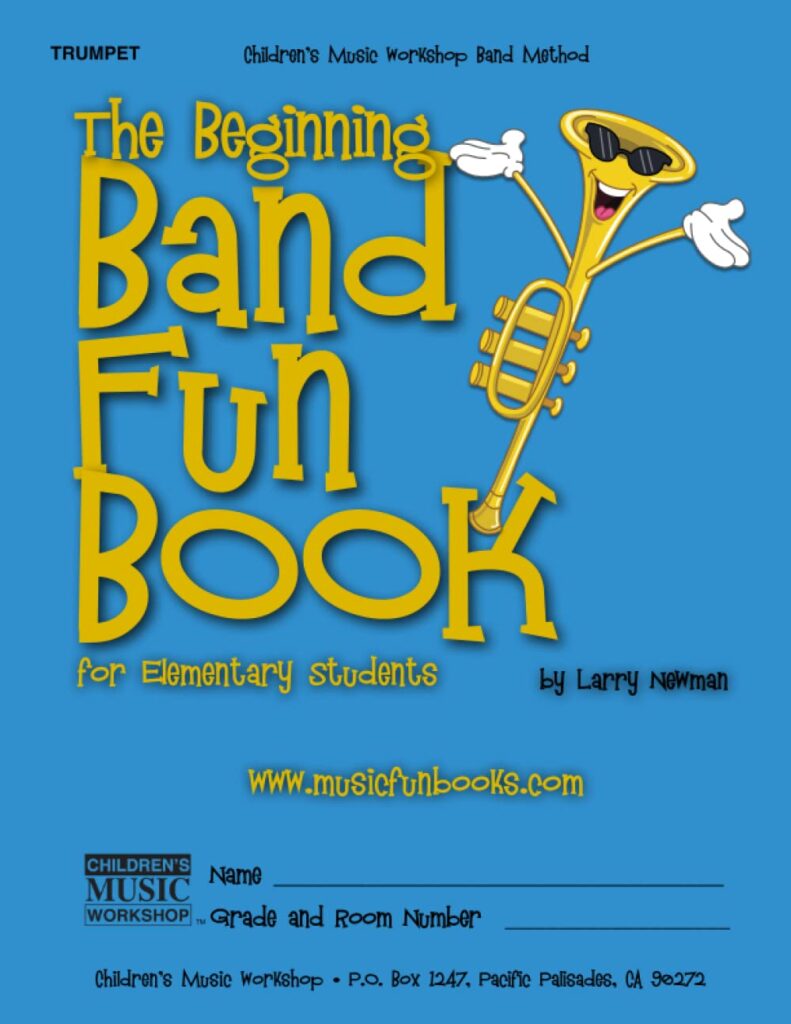
The Beginning Band Fun Book for Trumpet
A first school-band method with large notation, fingering charts, simple songs, and online support.
Learn more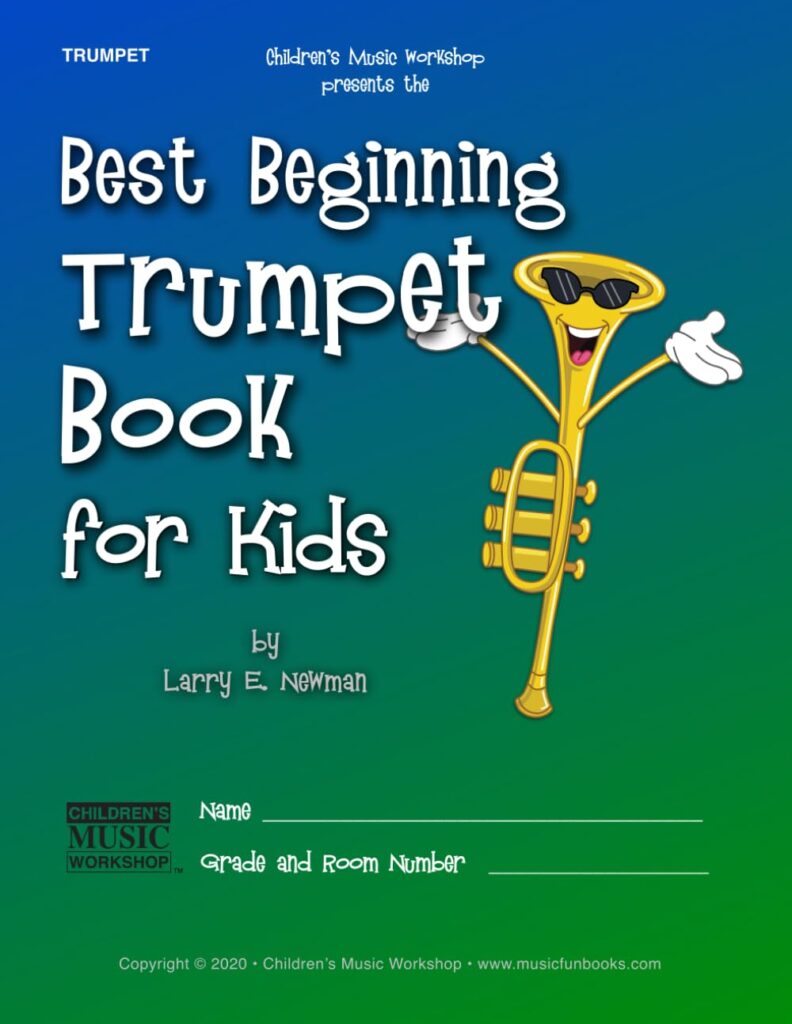
Best Beginning Trumpet Book for Kids
A friendly step-by-step method with clear fingering help, graded exercises, and engaging music.
Learn more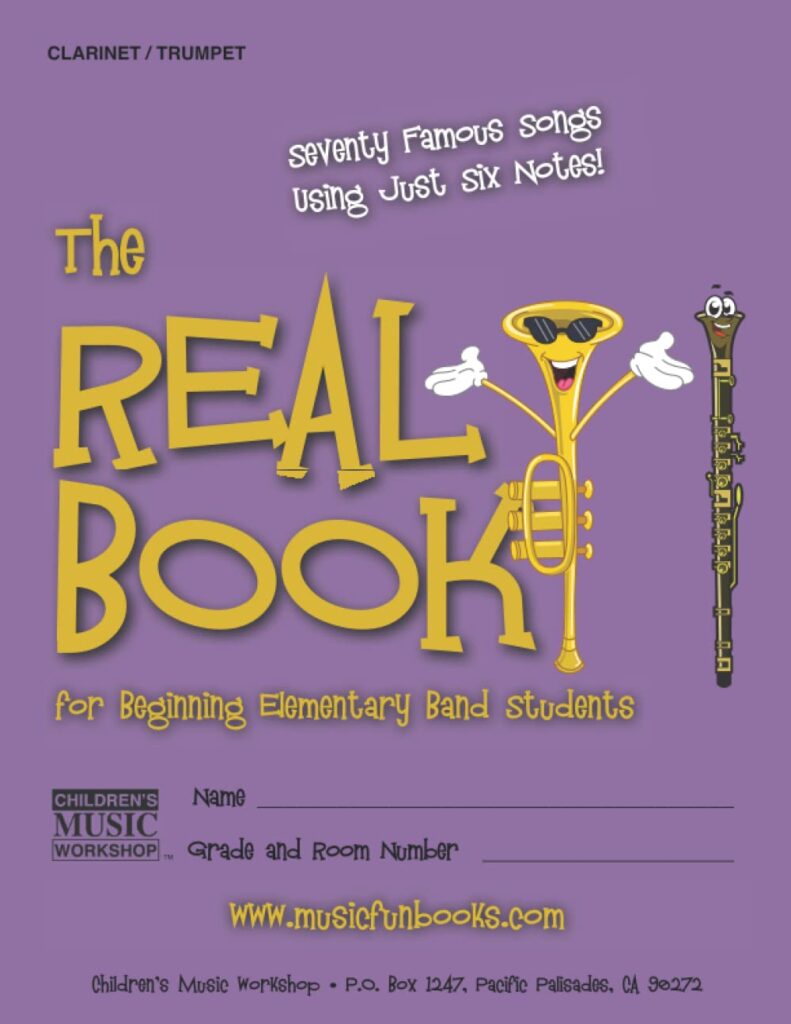
The Real Book for Beginning Elementary Band Students
Seventy familiar songs in a limited six-note range help students build confident music reading.
Learn moreBrowse all trumpet books
Explore beginner methods, studies, solos, duets, trios, classical music, and seasonal collections.
Visit Trumpet BooksUse free band practice support
Find audio and video support for The Beginning Band Fun Book and coordinated band editions.
Open Band Support