Music Fun Books | Violin Note Reading
How to Read Music for the Violin
A practical, encouraging way for young violinists to learn to recognize and read notes on the staff.
Written by Larry E. Newman, this focused music-reading book uses just six notes in the key of D. Students play each song with letter names inside the noteheads, then practice the same music without letter cues on the facing page.
A Simple Way to Build Confident Music Readers
Only Six Notes
Reading practice focuses on D, E, F-sharp, G, A and B, so students can concentrate on recognition rather than an overwhelming range of pitches.
Letters Inside the Notes
Letter names are printed inside the noteheads, helping beginners connect each pitch with its written position on the staff.
Then Read Independently
Each piece appears again without letters, giving young musicians a natural next step toward standard notation.
Look Inside the Book
Explore six actual pages from How to Read Music for the Violin. Select any image to view it at full size.
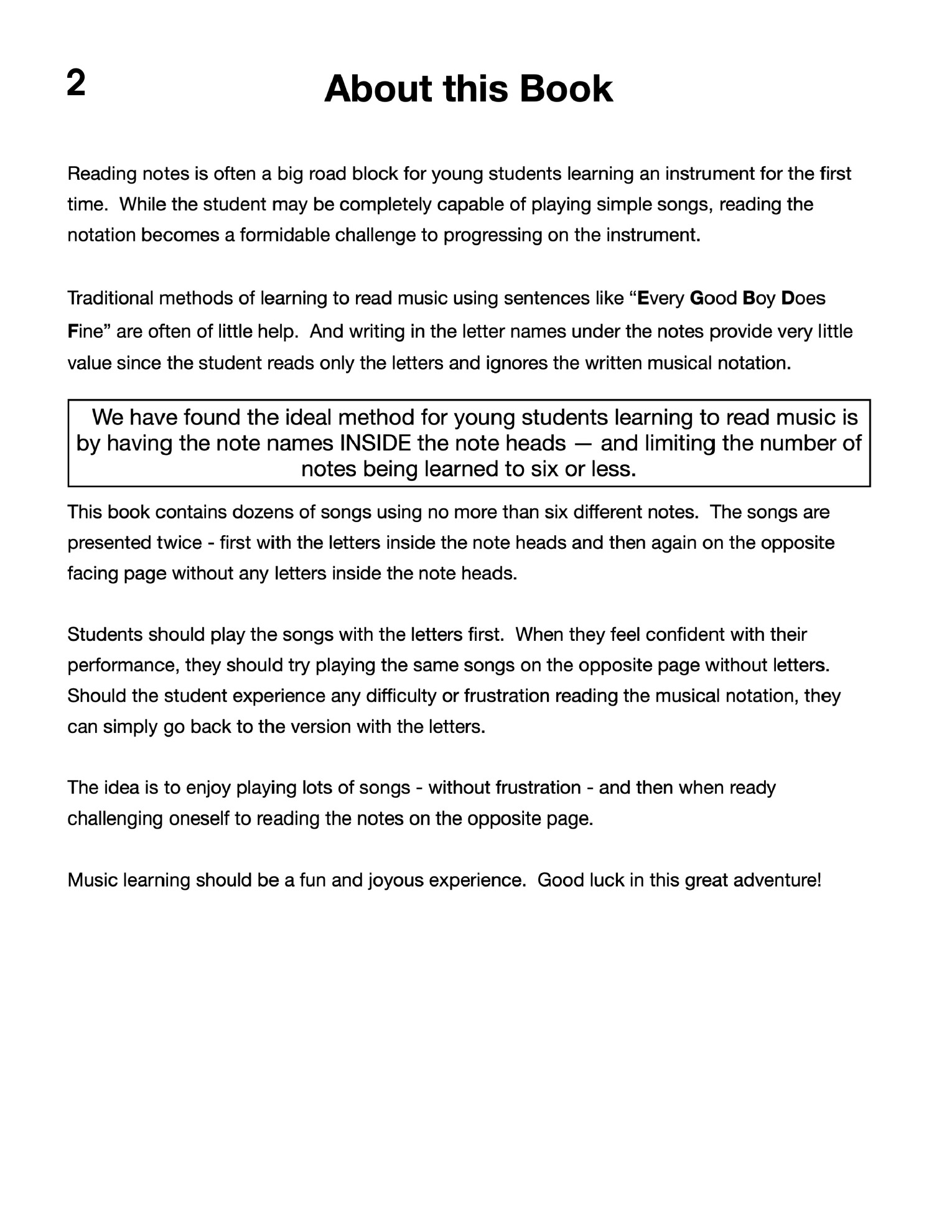
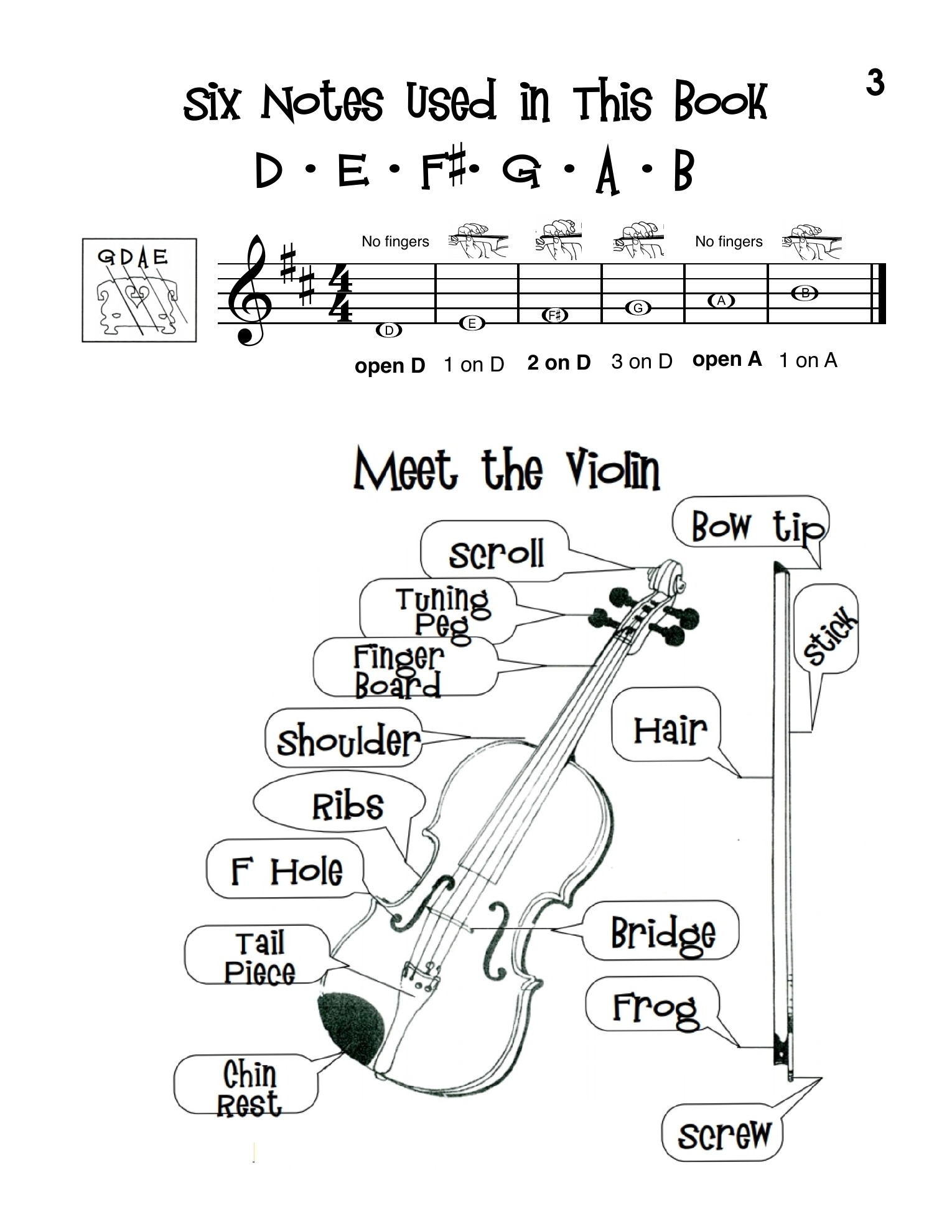
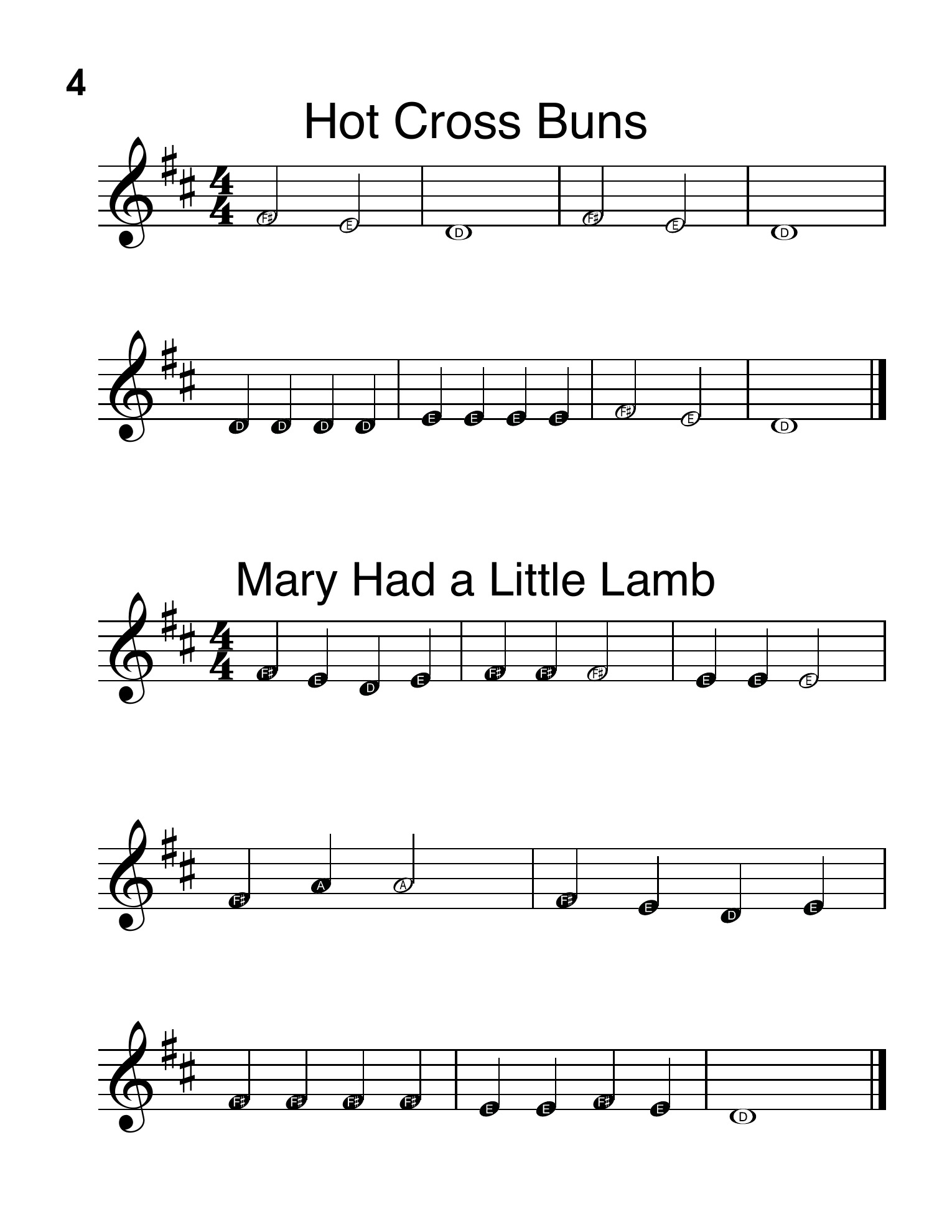
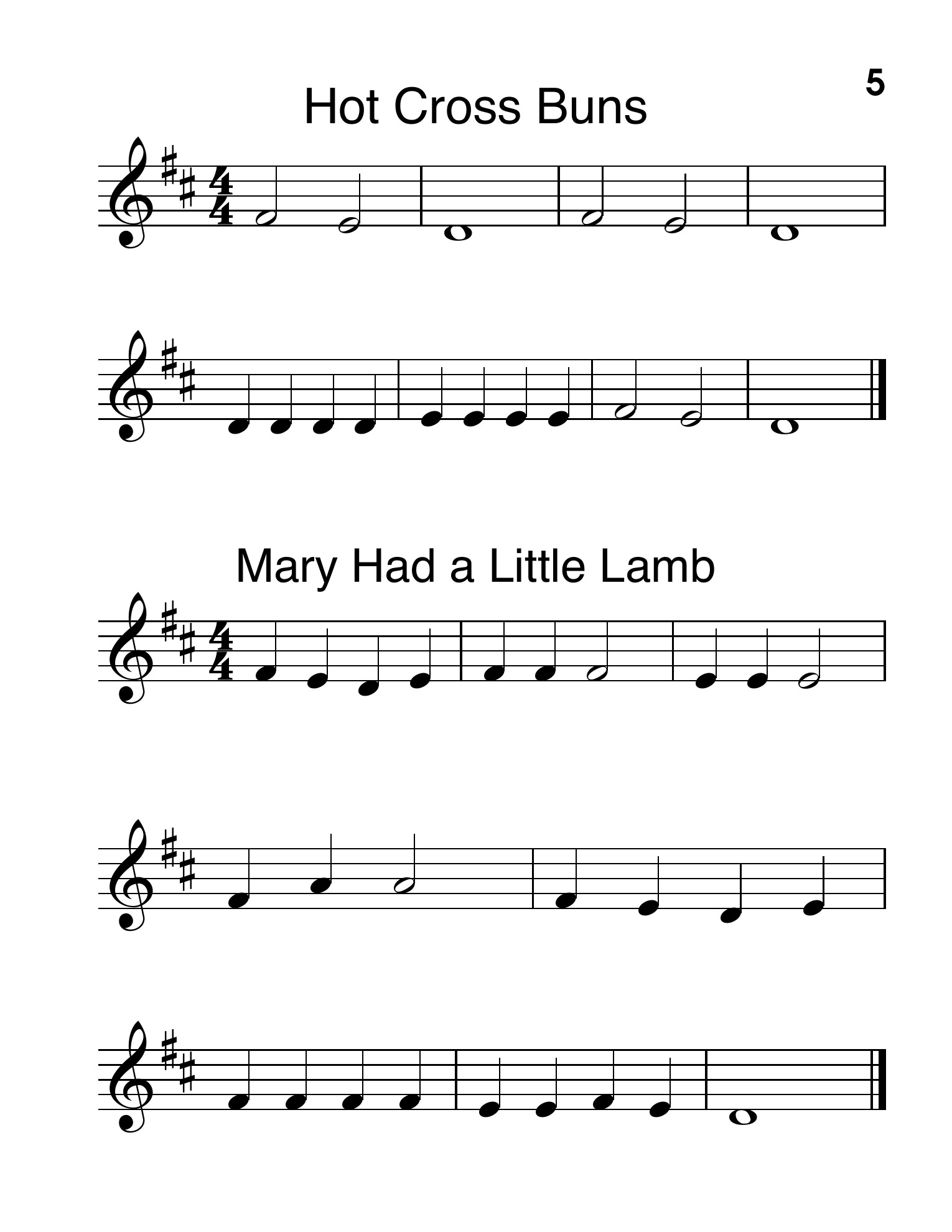
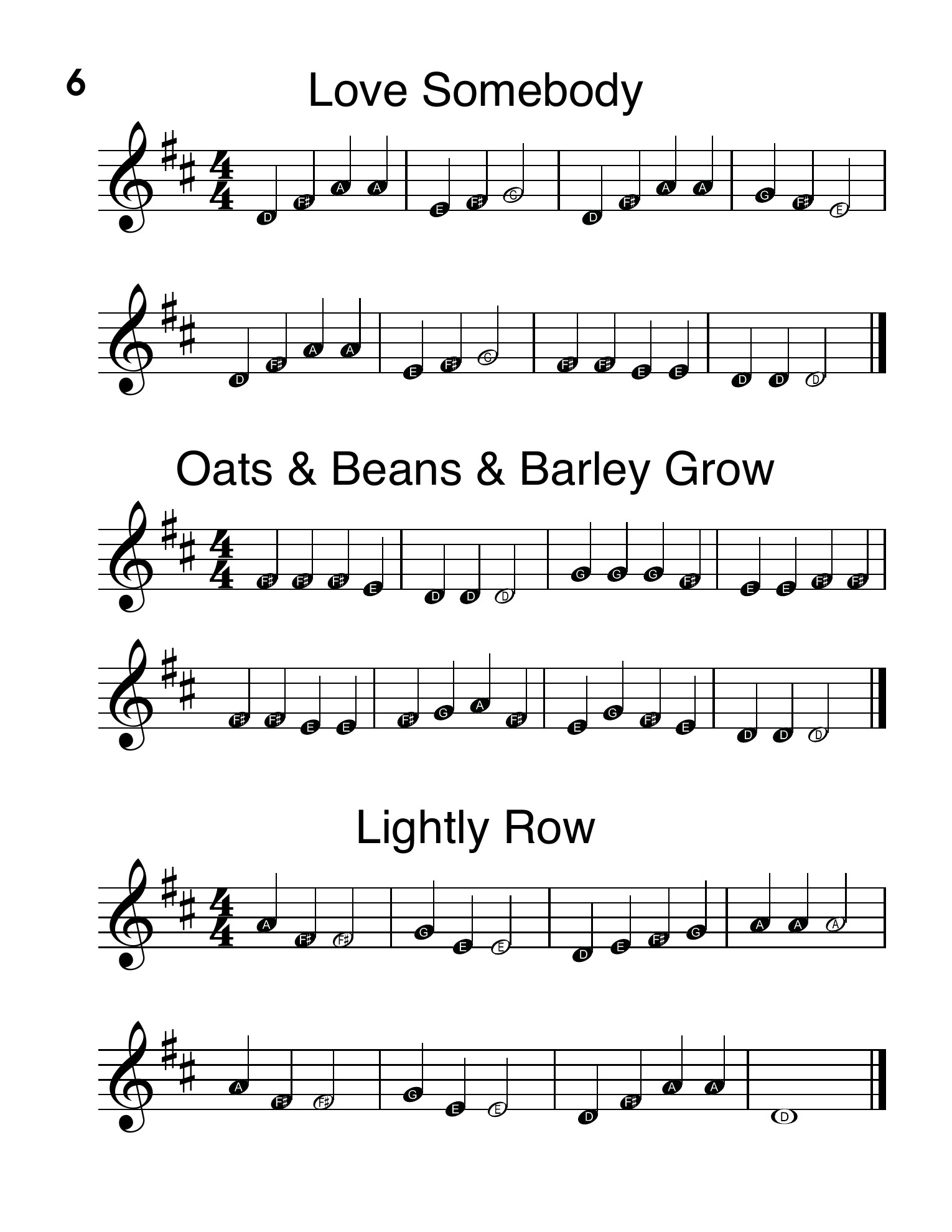
Notice the difference between pages 4 and 5: the same songs are printed first with letter cues and then without them. This paired-page design is the heart of the book’s reading method.
How to Use This Book
Play with Letter Cues
Begin with the version that has note names inside the noteheads. Encourage the student to follow the printed music rather than rely only on memorized finger patterns.
Turn the Page and Read
Play the matching song without the printed letters. If reading becomes difficult, return to the lettered version and try again when ready.
For Students, Parents & Teachers
This book is especially helpful for young violinists who can play beginning notes but need more experience reading them. It works as a supplement to private lessons, elementary school orchestra, group classes or home practice.
The focus is reading music, rather than teaching violin posture, bow hold or tone production from the beginning. Students should already have basic instrumental guidance from a teacher or beginner method.
Short, repeated practice with familiar tunes gives students opportunities to recognize staff positions and gradually read without relying on the note letters.