Music Fun Books Instrument Guide
Beginner’s Guide to the Cello
Help a young musician choose the correct cello size, establish a comfortable setup, begin plucking and bowing, and protect the instrument through good care.
The correct size lets the child reach the fingerboard and bow comfortably while sitting tall.
Renting from a string specialist makes size exchanges and professional setup easier.
Endpin height, chair height, and instrument position should be adjusted for the individual child.
Meet the instrument
Why children enjoy the cello
The cello has a deep, singing sound and an important role in orchestras, chamber groups, film scores, folk music, and contemporary styles. It is played while seated and supported by an endpin.
How the sound begins
The strings may be plucked with a finger or played with the bow. The left hand changes pitch while the bow or plucking finger sets the string in motion.
Why setup matters
Cello size, chair height, endpin length, bridge position, string height, and bow condition all affect comfort. A professional setup helps the student use healthy posture.
Helpful expectation: Beginners may start with pizzicato and open strings before adding the bow. Building a balanced seated position first makes every later skill easier.
Before beginning
Is your child ready for cello?
Age matters less than physical fit, interest, and access to instruction. These four checks are more useful than choosing by grade level alone.
Correct cello size
The student should reach the strings and fingerboard without twisting or overextending.
Suitable chair height
Feet should rest securely while the child sits near the front of the chair.
Balanced instrument position
The cello should be supported by the knees and endpin without being squeezed.
Patient listening
Accurate left-hand placement develops by combining visual guidance with careful listening.
Choosing an instrument
Renting, buying, sizing, and setup
Young cellists often need fractional sizes. A correctly sized, well-adjusted instrument is more important than finish, brand prestige, or accessories.
Renting may be best when…
- The child is still growing through fractional sizes.
- The plan allows easy size exchanges.
- Repairs and maintenance are included.
- The family wants professional setup and support.
Buying may make sense when…
- The teacher confirms the size and model.
- The student is committed.
- A string specialist inspects the instrument.
- The seller provides service and a return policy.
What the setup should include
- A bow in safe playing condition
- Rosin and a soft cleaning cloth
- A stable endpin and endpin stop
- Fine tuners that operate smoothly
- A protective padded case or hard case
What to inspect
- The bridge stands correctly and is not warped.
- Pegs and fine tuners hold pitch.
- Strings are not frayed or badly worn.
- The bow tightens and loosens correctly.
- The body has no open seams or serious cracks.
First lessons
How beginners get started
Good instruction separates the first skills into manageable steps before asking the student to read or perform a complete song.
Set the chair and endpin
Adjust the seated height and cello position so both feet are stable and the instrument rests comfortably.
Learn the parts and strings
Identify safe holding points and learn the names and sounds of the open strings.
Begin with pizzicato
Pluck open strings with a relaxed hand while building rhythm, posture, and reading skills.
Develop the bow hold
Shape the right hand naturally and practice controlled bow movement on open strings.
Add the left hand and first songs
Place fingers carefully, listen for pitch, and combine a few notes into short musical phrases.
How to Play the Cello: Video Lessons
Select any lesson below. The player changes while the Music Fun Books page address stays the same.
After every practice
Simple cello care
The cello is especially vulnerable when being carried, set down, or left near chairs and walkways. Careful storage protects the bridge, endpin, bow, and wooden body.
Do after playing
- Loosen the bow hair.
- Wipe rosin dust from the strings and instrument.
- Retract or secure the endpin as instructed.
- Return the bow and accessories to their places.
- Store the cello securely where it cannot be knocked over.
Avoid
- Leaning the cello against a chair or wall
- Touching the bow hair
- Using household cleaners or polish
- Leaving the cello in a hot or cold car
- Adjusting the bridge or sound post at home
When transporting: Hold the case securely and watch doorways, stairs, and the endpin area. Never carry a cello by the endpin or bow.
Common questions
Cello FAQs for families
What size cello does a child need?
Cello size depends on body size, hand reach, and playing position. A teacher or string specialist should fit the child rather than choosing by age alone.
Should a beginner rent or buy?
Renting is often practical while a child is growing because size exchanges and professional setup may be included.
Can a child begin with pizzicato?
Yes. Plucking lets the student learn posture, strings, rhythm, and left-hand placement before coordinating the bow.
Does a beginner need an endpin stop?
Usually yes. It helps keep the endpin from sliding and protects the floor. The teacher can recommend an appropriate type.
How long should a beginner practice?
Short, regular sessions with good posture are best. Stop and reset if the back, shoulders, hands, or neck become tense.
When does a cello need professional service?
Open seams, cracks, bridge movement, slipping pegs, damaged strings, bow problems, or a loose endpin should be handled by a string specialist.
Continue learning
Three useful books for beginning cello
These choices provide a clear starting path while the complete cello collection offers additional methods and repertoire.
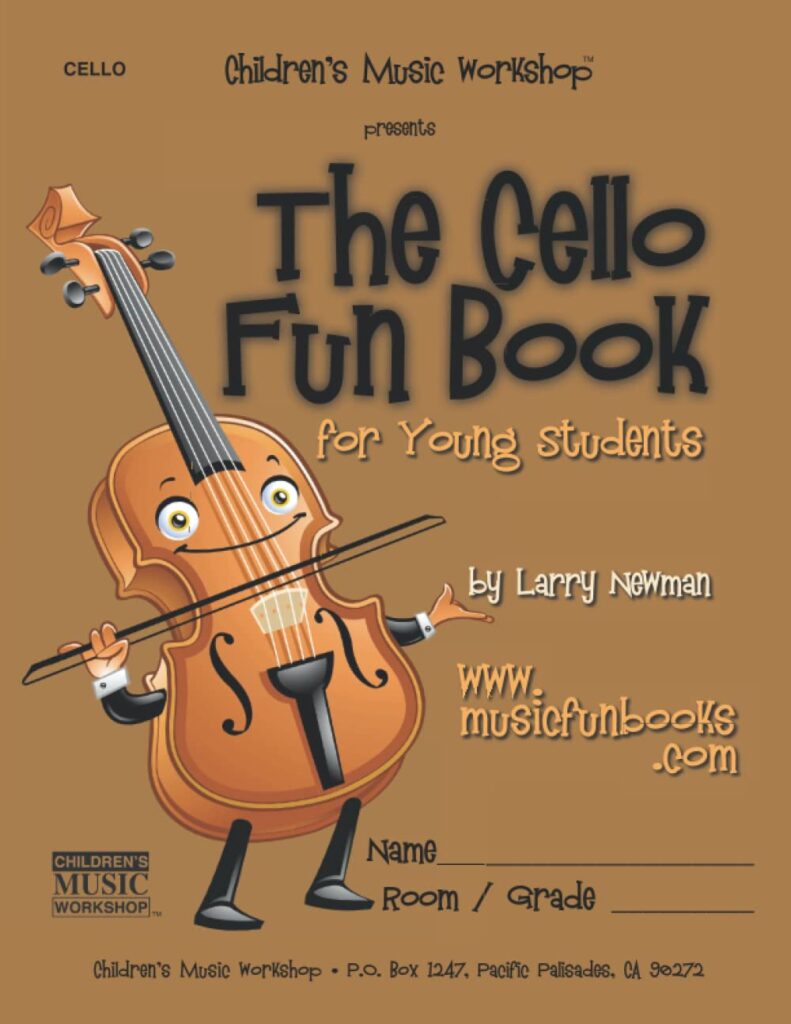
The Cello Fun Book
A first method for young students with large notation, simple songs, and coordinated string-class material.
Learn more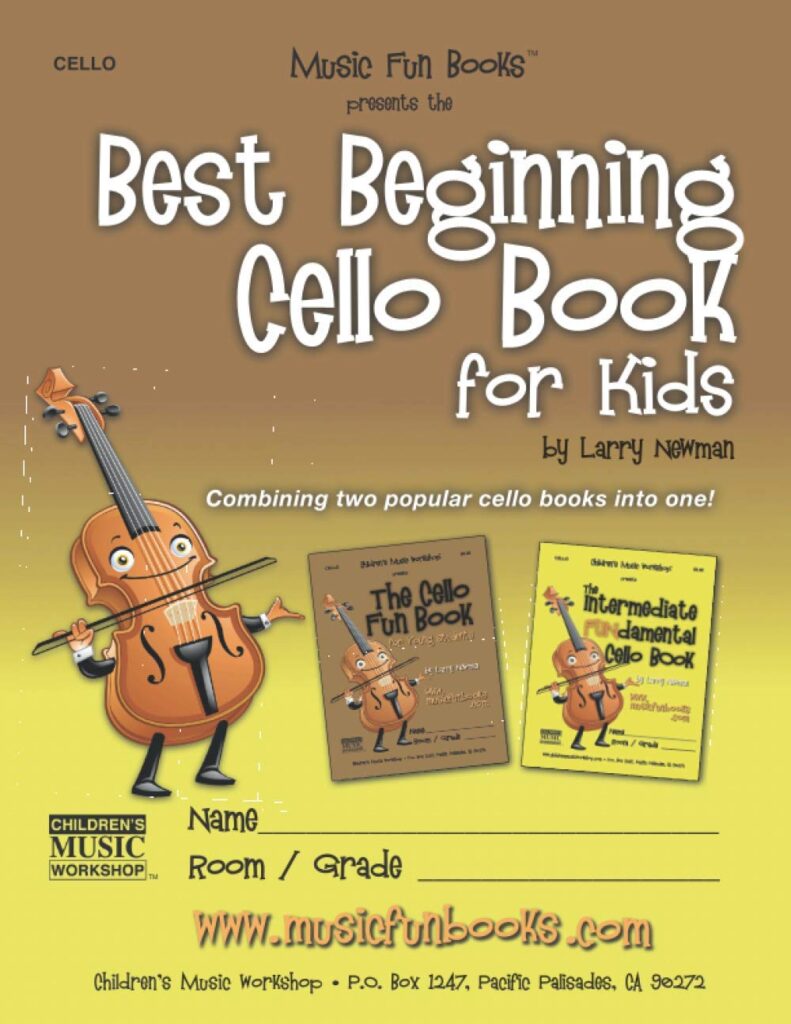
Best Beginning Cello Book for Kids
An expanded child-friendly method with clear visuals, letter names, and gradual skill development.
Learn more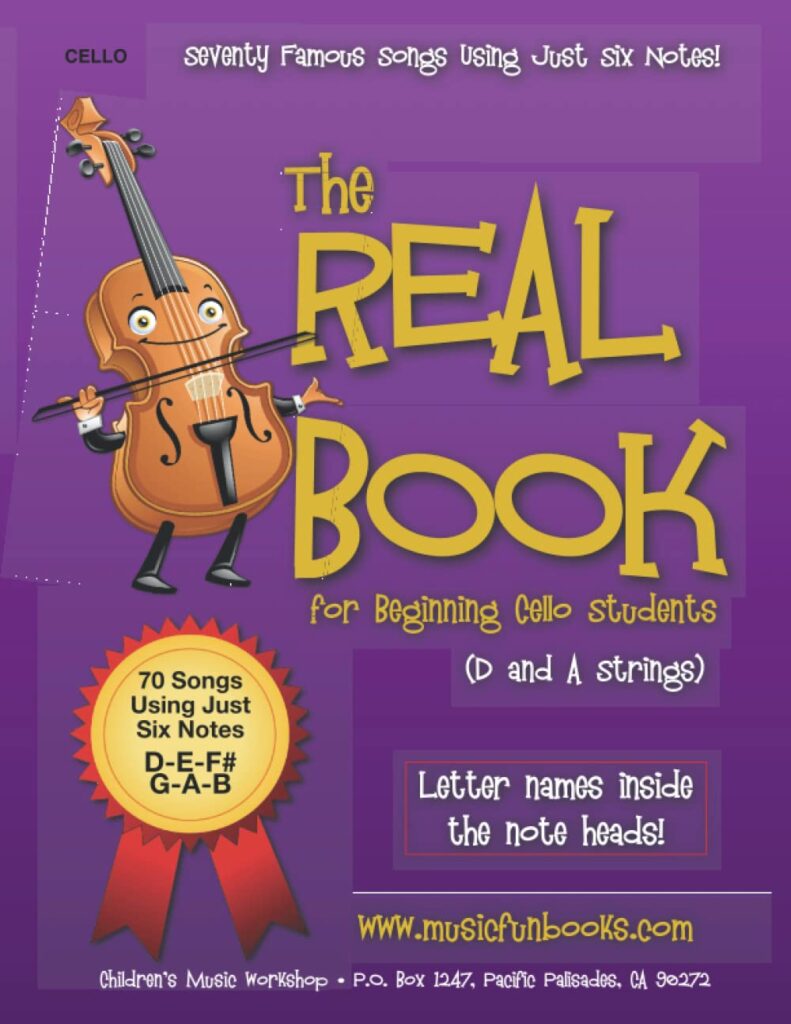
The Real Book for Beginning Cello Students
Seventy familiar songs on the D and A strings help beginning cellists strengthen note reading.
Learn moreBrowse all cello books
Explore methods, reading books, solos, duets, trios, classical music, and seasonal collections for cello.
Visit Cello BooksCompare another instrument
Return to the complete collection of beginner instrument guides for children, parents, and teachers.
View All Instrument Guides