Double Bass Books for Young Musicians
Bass Books for Kids, Teachers, and School Orchestra Programs
Explore beginning and advancing double bass methods and elementary orchestra repertoire from Music Fun Books.
These books are designed to help young bassists build reading, rhythm, tone, bow control, confidence, and ensemble skills in lessons, classrooms, concerts, and home practice.
Useful for Lessons, Orchestra, and Home Practice
- ✓Beginner-friendly notation and clear layouts
- ✓Method books for beginning and advancing young bassists
- ✓Elementary orchestra repertoire with coordinated ensemble parts
- ✓Created for elementary and middle school string students
- ✓Written by music educator Larry Newman
Discover Bass Books
Browse the complete Music Fun Books double bass collection below. Click a cover or Learn More button for the Music Fun Books page, or use the Amazon button for the affiliate Amazon listing.
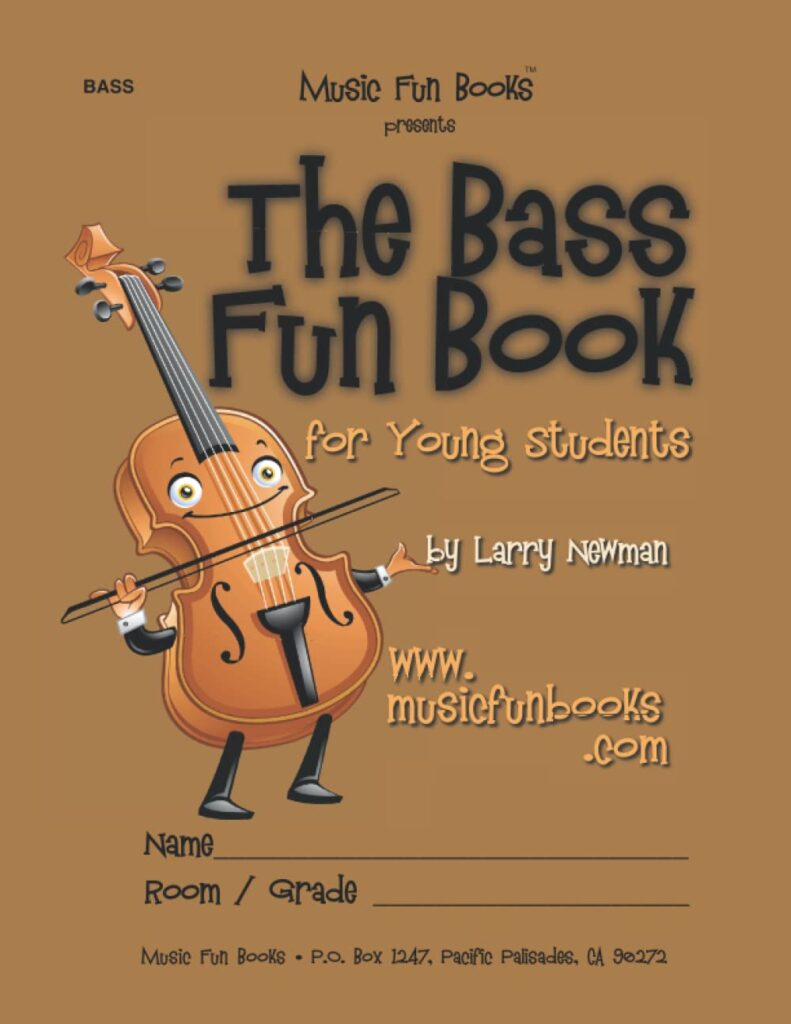
The Bass Fun Book
A beginning bass method designed especially for young string students. Large notation, clear diagrams, simple songs, and a gradual pace help students build posture, left-hand technique, bowing, rhythm, and music reading with confidence. It is useful for private lessons, school orchestra, homeschool music, and parent-supported practice.
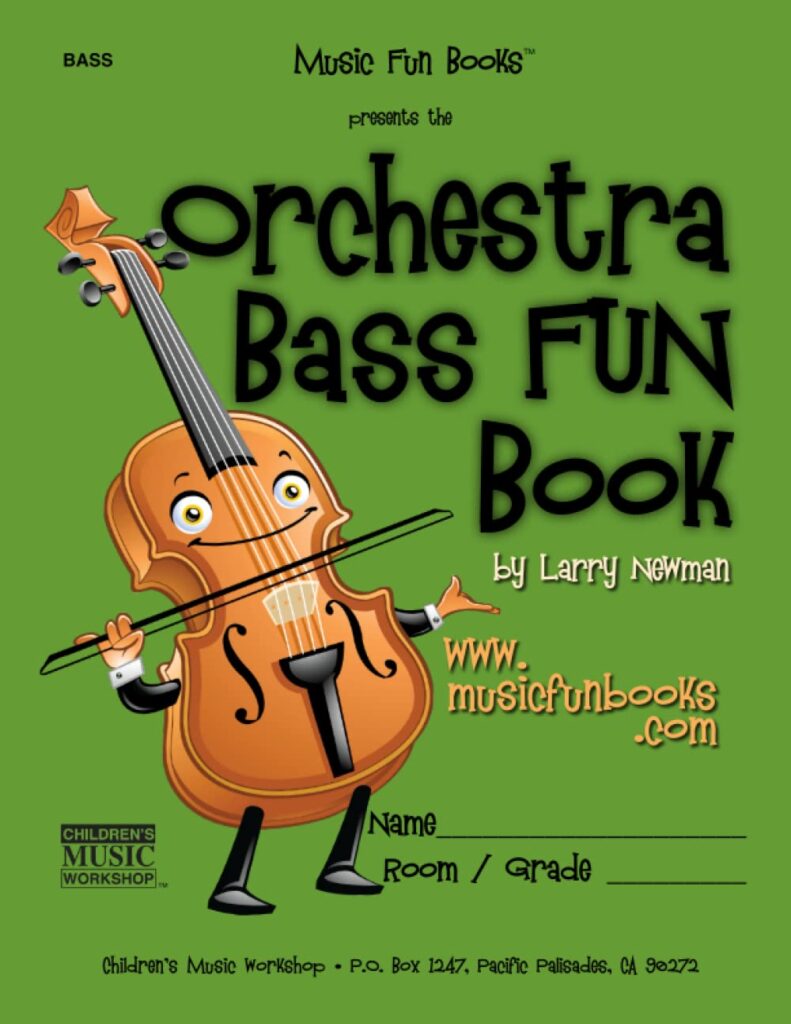
The Orchestra Bass Fun Book
A progressive orchestra book for young bass players in their second or third year of study. Clear exercises, solos, and ensemble-friendly music help students build reading, rhythm, bowing, tone, intonation, and confidence within a school orchestra setting. It is a useful supplement for private lessons, sectionals, group classes, and concerts.
Orchestra Folio for Bass
The bass part for the Orchestra Folio series supports young string bass players in elementary orchestra settings. Clear, playable lines help students build pulse, tone, reading, ensemble awareness, and confidence while anchoring the group sound. It is intended for use with the matching conductor’s score and companion instrumental parts.