Music Fun Books Instrument Guide
Beginner’s Guide to the Recorder
Help a young musician choose a suitable soprano recorder, create a gentle first sound, learn the first fingerings, and develop reliable classroom and home-care habits.
A well-made plastic soprano recorder is durable, washable, and practical for most beginners.
Gentle, steady air produces a clearer sound than forceful blowing.
Use the fingering system requested by the school or teacher.
Meet the instrument
Why recorder is a strong first instrument
The recorder is portable, affordable, and well suited to elementary music. It helps children connect breath, tonguing, fingering, rhythm, note reading, and ensemble listening.
How the sound begins
Air passes through the windway and over a sharp edge inside the headjoint. Covering different tone holes changes the pitch. A warm, gentle airstream creates the best beginning tone.
Soprano or alto?
Soprano recorder is the usual first classroom instrument because it fits smaller hands and matches most elementary methods. Alto recorder is larger, lower, and normally introduced later.
Check before purchasing: Recorder fingerings may follow Baroque or German systems. Families should buy the type requested by the teacher so the instrument matches class instruction and fingering charts.
Before beginning
Is your child ready for recorder?
Age matters less than physical fit, interest, and access to instruction. These four checks are more useful than choosing by grade level alone.
Comfortable hand fit
The child should cover the holes with relaxed finger pads rather than fingertips.
Controlled gentle air
The student should be able to blow softly and steadily instead of forcing the sound.
Basic left-right awareness
The left hand normally plays above the right hand.
Classroom responsibility
The student should keep the mouthpiece clean and avoid sharing instruments.
Choosing an instrument
Choosing a recorder and avoiding poor instruments
An inexpensive recorder can still play well, but accurate tuning, clean molding, and a consistent windway matter. Use the teacher’s requested model whenever possible.
A good first recorder has…
- The teacher-approved fingering system
- Comfortable tone-hole spacing
- A smooth windway and mouthpiece
- Consistent tuning across the basic notes
- A cleaning rod, swab, or storage bag
One-piece or three-piece?
- One-piece models are simple and durable.
- Three-piece models are easier to clean thoroughly.
- A rotating foot joint can improve right-hand comfort.
- Either can work when the teacher approves.
What to avoid
- Toy-like instruments with uneven holes
- Rough plastic seams or damaged mouthpieces
- Unknown fingering systems
- Recorders that do not match the class pitch or model
- Buying a larger alto recorder for a first soprano class
Before class begins
- Label the case or bag clearly.
- Confirm whether the class needs soprano recorder.
- Learn how the teacher wants it cleaned.
- Keep the fingering chart with the book.
- Do not decorate or alter the tone holes.
First lessons
How beginners get started
Good instruction separates the first skills into manageable steps before asking the student to read or perform a complete song.
Learn the left-hand position
Place the left thumb behind the top hole area and the left fingers over the upper holes.
Cover holes with finger pads
Use relaxed, flat finger pads to seal each hole completely without squeezing.
Create a soft first tone
Blow warm, gentle air and listen for a steady sound rather than trying to be loud.
Add light tonguing
Begin notes with a quiet syllable such as too or doo while keeping the air supported.
Combine the first notes into songs
Move slowly between a small set of fingerings, keep a steady beat, and practice familiar melodies.
Practice with 80 free recorder tracks: The Recorder Fun Book support library lets students stream the matching melody and accompaniment tracks for home practice or classroom review. Open Recorder Audio Support.
After every practice
Simple recorder care
Moisture collects inside every recorder during playing. Regular cleaning and complete air-drying keep the windway clear and the instrument hygienic.
Do after playing
- Follow the manufacturer’s cleaning directions.
- Swab or wipe removable sections when appropriate.
- Let the recorder dry fully before sealing it in a bag.
- Wash hands before playing.
- Store the instrument in its case or bag.
Avoid
- Sharing mouthpieces or instruments
- Using very hot water unless the maker specifically allows it
- Pushing objects into the windway
- Biting the mouthpiece
- Leaving the recorder in direct sun or a hot car
Cleaning differs by material: Most school plastic recorders can be washed, but wooden recorders require different care. Always follow the manufacturer’s instructions.
Common questions
Recorder FAQs for families
What recorder should a child start with?
Most elementary beginners use a plastic soprano recorder. The teacher should specify the brand, model, and fingering system.
Why does the recorder squeak?
The most common causes are blowing too hard, leaking finger holes, changing fingers unevenly, or excess moisture in the windway.
Which hand goes on top?
The left hand normally covers the upper holes and the right hand covers the lower holes.
What is the difference between Baroque and German fingering?
The systems use different hole designs and some different fingerings. Students should use the system selected by their teacher.
How long should a beginner practice?
Short daily sessions are effective. A few minutes of gentle tone, careful fingering, and one or two songs can produce steady progress.
Can a plastic recorder be washed?
Many can, but construction and manufacturer directions vary. Separate the sections only as designed and let every part dry completely.
Continue learning
Three useful books for beginning recorder
These choices provide a clear starting path while the complete recorder collection offers additional methods and repertoire.
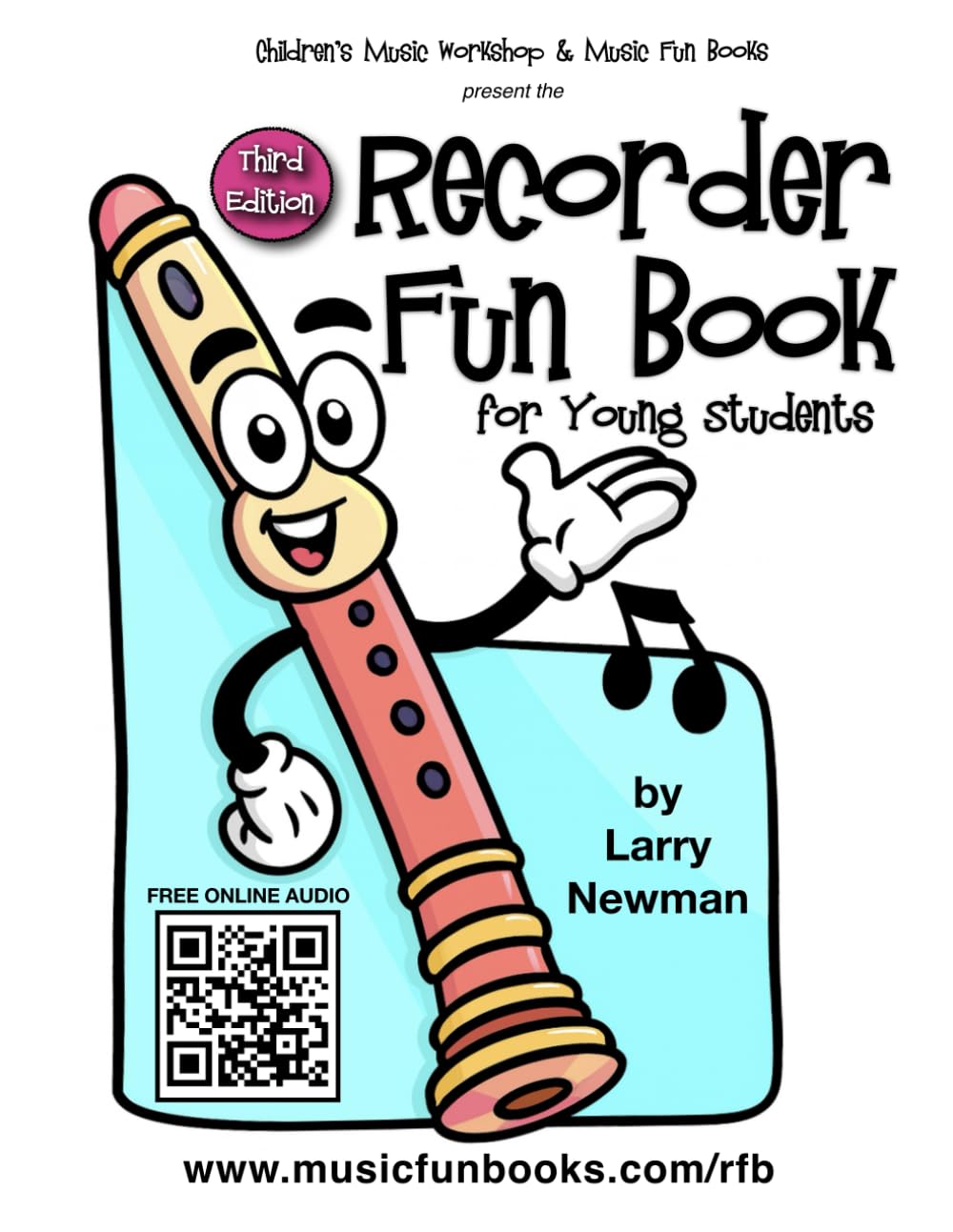
The Recorder Fun Book for Young Students
A popular first method with large notes, child-friendly pacing, and matching online play-along tracks.
Learn more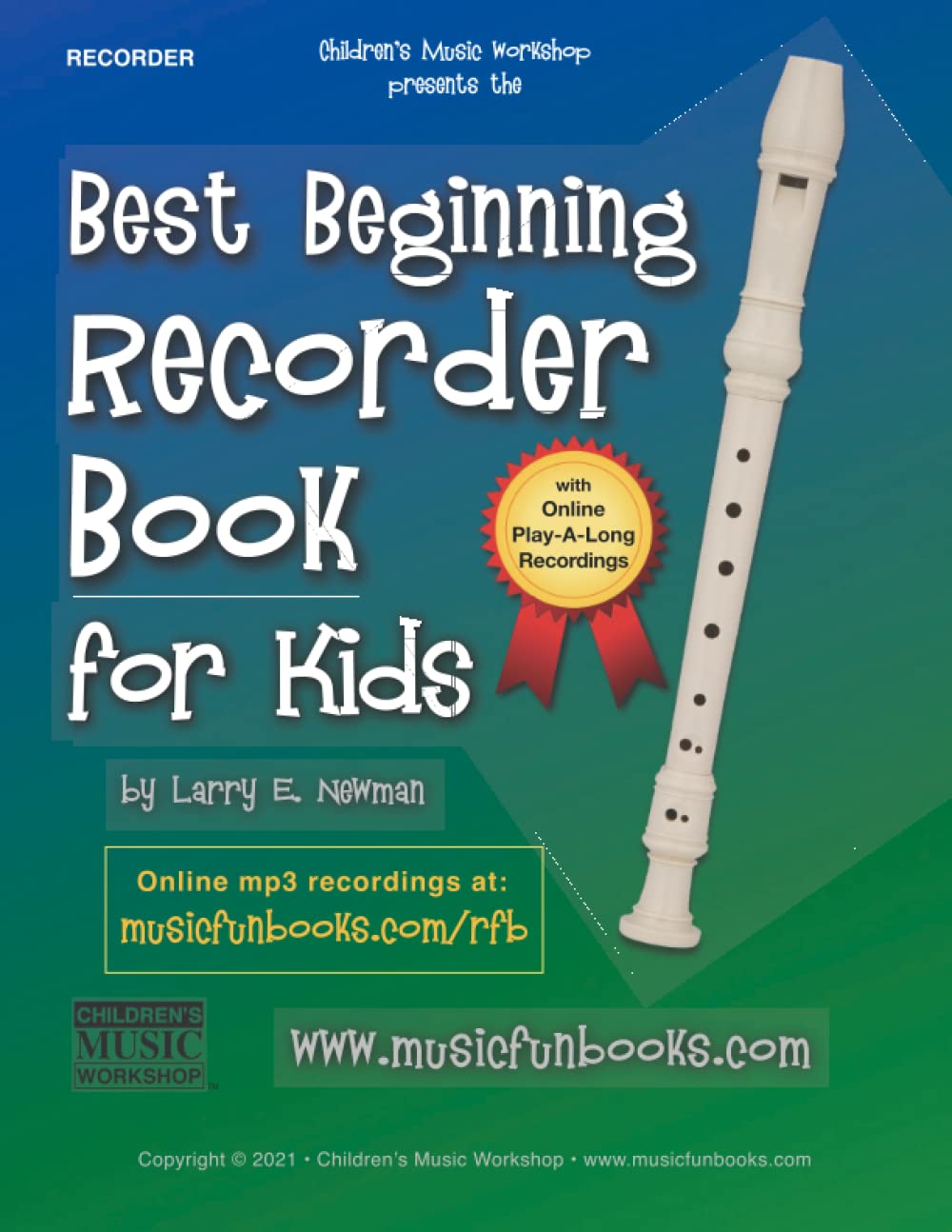
Best Beginning Recorder Book for Kids
An expanded beginner method with clear fingerings, simple songs, and accessible instruction.
Learn more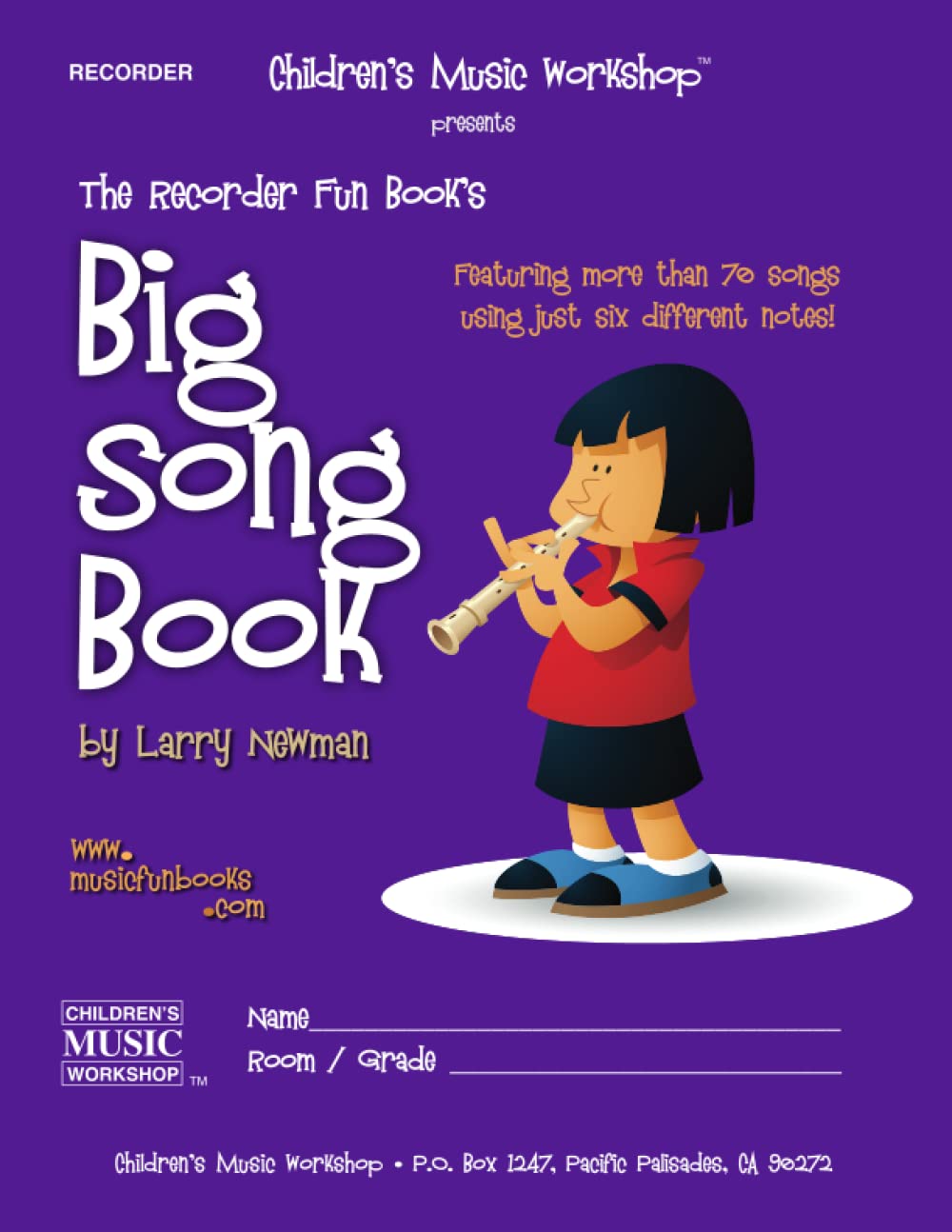
The Recorder Fun Book’s Big Song Book
A larger collection of familiar music for students who know the first notes and want more songs.
Learn moreBrowse all recorder books
Explore beginner methods, song collections, solos, duets, classical themes, and seasonal recorder books.
Visit Recorder BooksUse the free practice support
Continue with Music Fun Books video, audio, or play-along resources created for beginning recorder students.
Open 80 Free Recorder Tracks