Meet the people behind the music
Best Children’s Book on Music
Composers & Performers Volume 1
From Mozart to Taylor Swift, introduce young readers to a world of musical lives, sounds, and possibilities.
By Larry E. Newman
Explore composers, instrumentalists, singers, bandleaders, and stage performers through short illustrated profiles. This approachable introduction invites children to recognize familiar names, discover new ones, and become curious about the music they create.
Visit Amazon for current pricing and purchase options.

A first look at musical lives
Big names. Short readings. Plenty to discover.
Best Children’s Book on Music: Composers & Performers (Vol. 1) introduces young readers to musicians across different eras, places, and traditions. Each profile occupies two pages, with a portrait and accessible text that offers a starting point for learning about the artist.
The variety is part of the appeal. A child might recognize a film composer, discover a jazz singer, and then become curious about someone who wrote for the orchestra hundreds of years ago. Readers can move through the book in order or choose a name that catches their attention.
For young readers and families
A good fit for curious children around ages 8–12, particularly readers working at approximately a third- through fifth-grade level. Younger children can explore selected profiles with an adult.
For classrooms, studios, and homeschools
Use a short profile to introduce a listening session, connect a music lesson with a performer, or begin a classroom conversation about the people who make music.
A glimpse of the variety inside
Six of the musicians young readers will meet
These featured profiles show the range of the collection—from concert music and jazz to the sound of the movies.
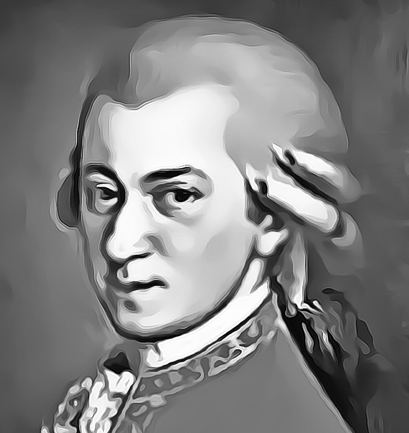
Wolfgang Amadeus Mozart
Composer · Profile begins on page 2
Meet a composer whose music includes symphonies, operas, concertos, and piano works. His profile opens the book’s exploration of musical lives.
Talk about it: What different sounds can you hear in music for a piano and music for a full orchestra?
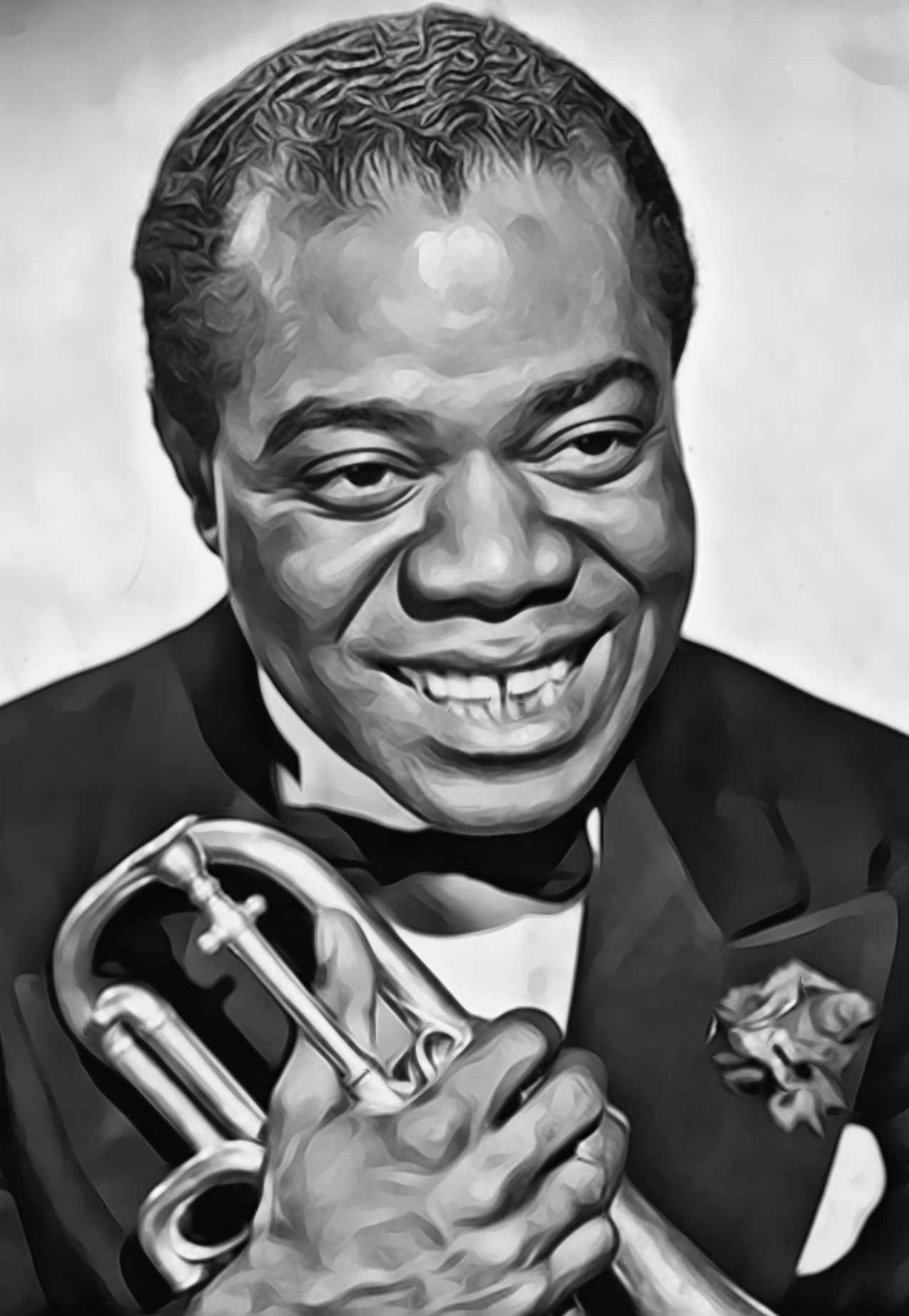
Louis Armstrong
Trumpeter and singer · Page 12
Discover a jazz musician associated with both the trumpet and the singing voice. His profile offers a starting point for exploring how one artist can express music in different ways.
Talk about it: How does the sound of a trumpet compare with the sound of a singing voice?
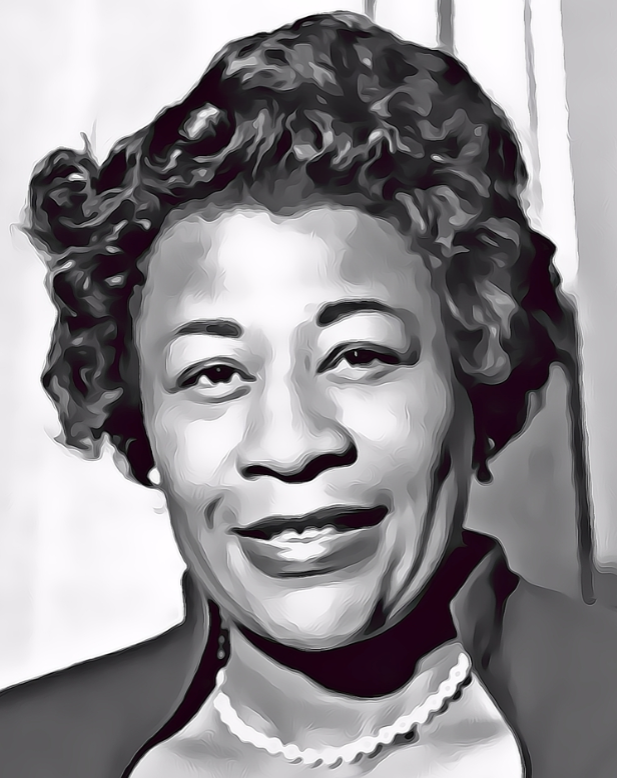
Ella Fitzgerald
Jazz singer · Page 20
Meet a singer whose story introduces children to the world of jazz vocals and performance. Pair the reading with a recording to help connect the name with a sound.
Talk about it: How can a singer change the feeling of a melody?
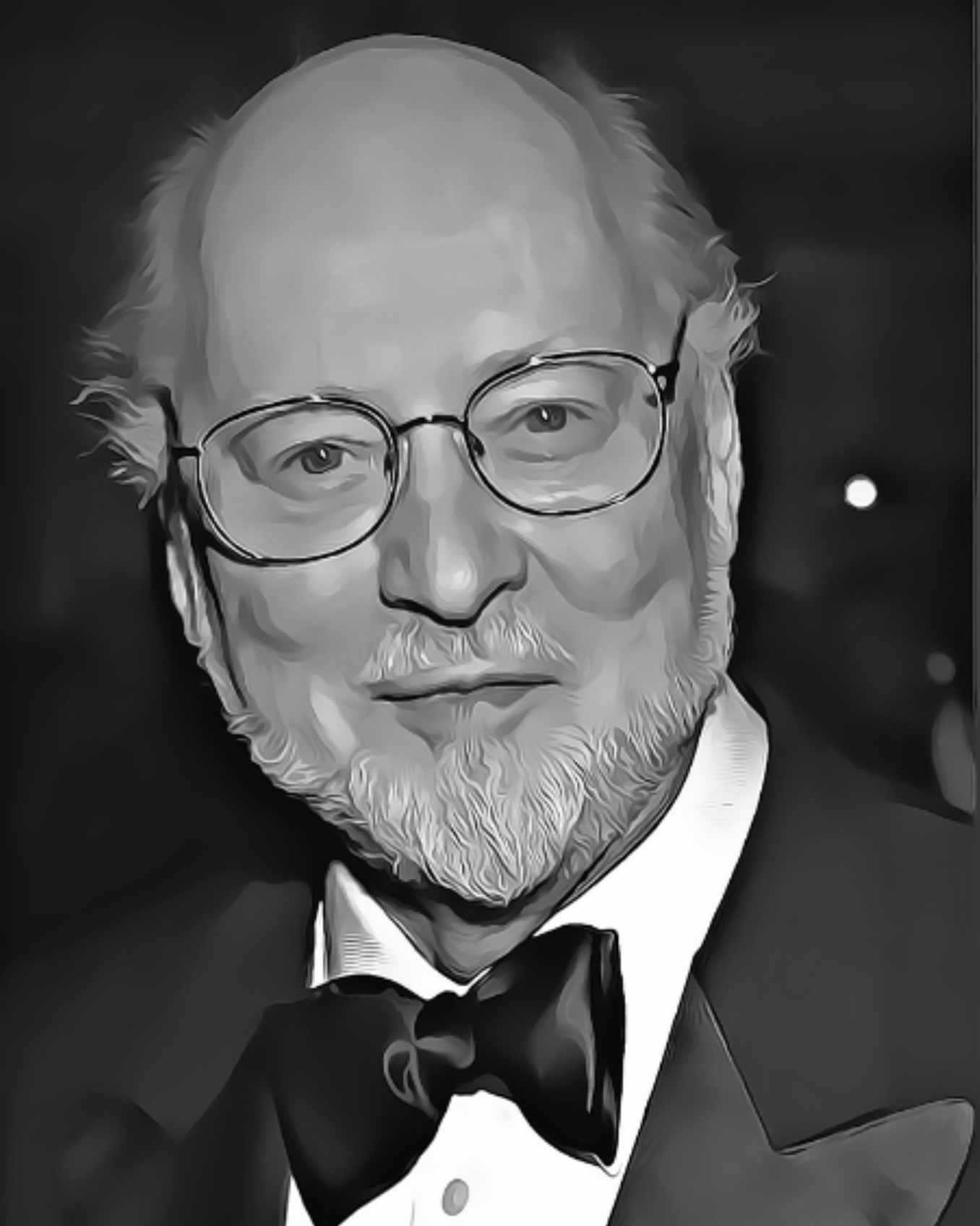
John Williams
Film composer · Page 26
Explore a composer connected with familiar movie music, including Star Wars. The profile can begin a conversation about how music contributes to storytelling.
Talk about it: What might a scene feel like with exciting music, gentle music, or no music at all?
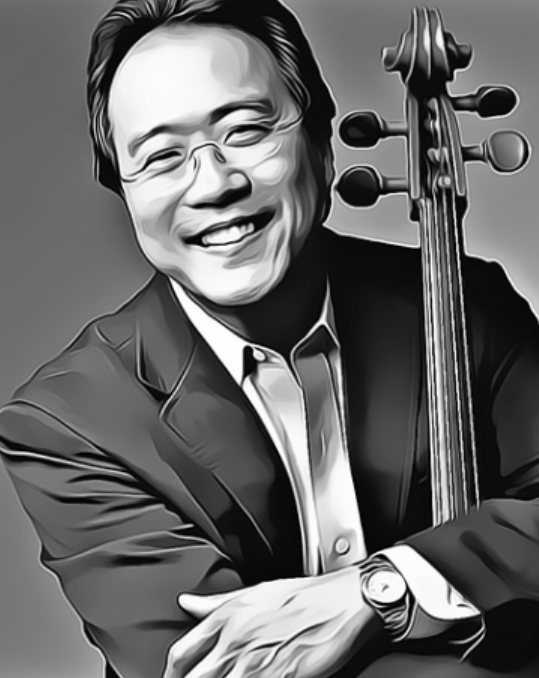
Yo-Yo Ma
Cellist · Page 38
Meet a performer whose instrument is the cello. His profile offers an invitation to listen closely to the sound and expressive possibilities of a string instrument.
Talk about it: What words would you use to describe the cello’s sound?
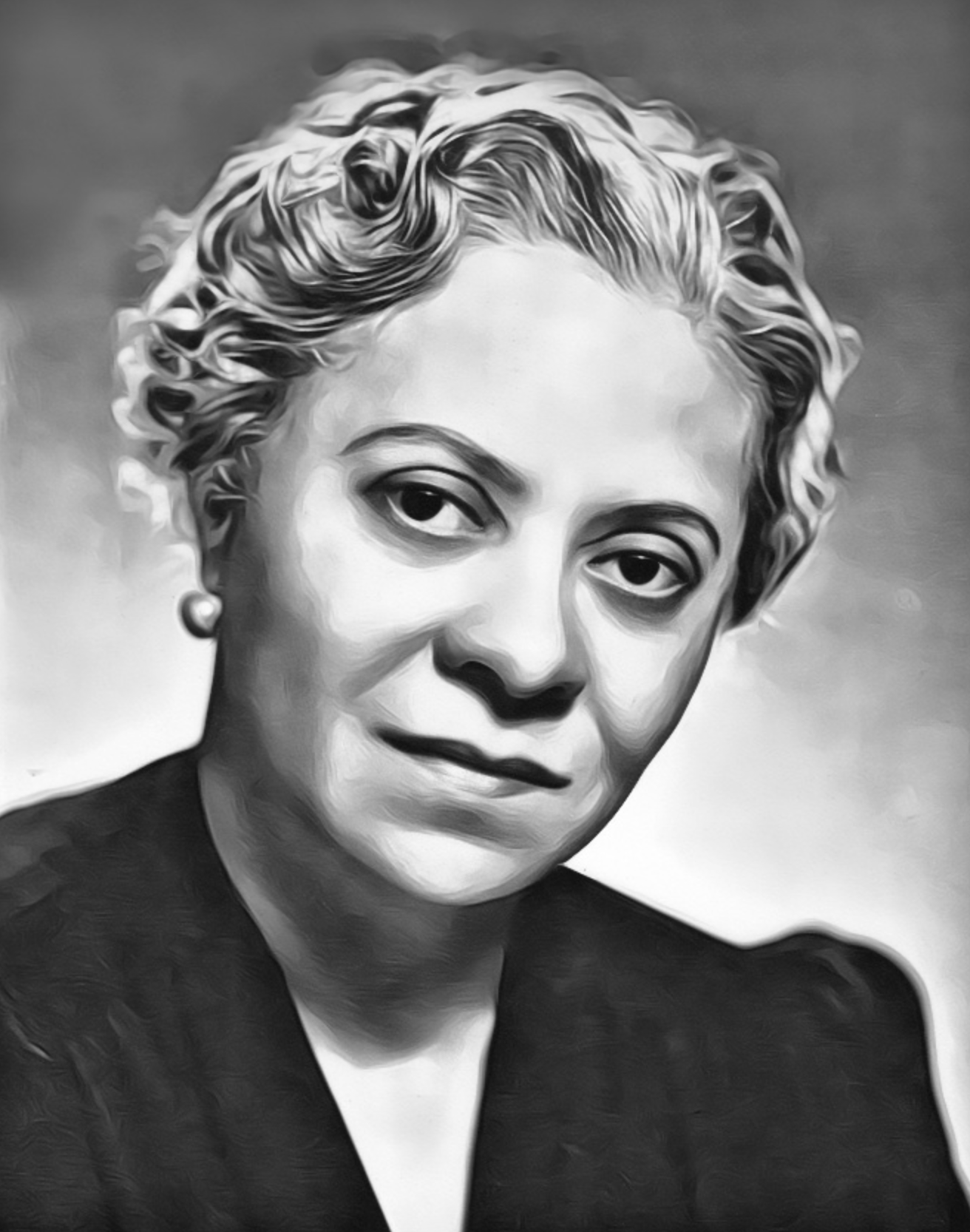
Florence Price
Composer · Page 88
Discover a composer whose work includes orchestral music, piano music, and songs. Her profile broadens the collection’s introduction to the people behind concert music.
Talk about it: How might the same musical idea sound when played by a piano or an orchestra?
Discussion questions on this page are suggested companion activities, not worksheets included in the book.
Who’s in Volume 1?
The complete profile list
The book includes 49 entries. The Beatles appear as a group, and Lili and Nadia Boulanger share a profile. Page numbers below refer to the printed book.
- Wolfgang Amadeus Mozart — p. 2
- Charlie Parker — p. 4
- Ludwig van Beethoven — p. 6
- Elvis Presley — p. 8
- Johann Sebastian Bach — p. 10
- Louis Armstrong — p. 12
- Frédéric Chopin — p. 14
- Richard Rodgers — p. 16
- Pyotr Ilyich Tchaikovsky — p. 18
- Ella Fitzgerald — p. 20
- The Beatles — p. 22
- George Frideric Handel — p. 24
- John Williams — p. 26
- Joseph Haydn — p. 28
- Leonard Bernstein — p. 30
- Clara Schumann — p. 32
- Duke Ellington — p. 34
- Antonio Vivaldi — p. 36
- Yo-Yo Ma — p. 38
- Antonín Dvořák — p. 40
- Claude Debussy — p. 42
- Hans Zimmer — p. 44
- Aaron Copland — p. 46
- Camille Saint-Saëns — p. 48
- George Gershwin — p. 50
- Johannes Brahms — p. 52
- Igor Stravinsky — p. 54
- Count Basie — p. 56
- Lili and Nadia Boulanger — p. 58
- Quincy Jones — p. 60
- Philip Glass — p. 62
- Scott Joplin — p. 64
- Maurice Ravel — p. 66
- Toshiko Akiyoshi — p. 68
- Arnold Schoenberg — p. 70
- Dizzy Gillespie — p. 72
- Béla Bartók — p. 74
- Frank Sinatra — p. 76
- Jean Sibelius — p. 78
- Franz Liszt — p. 80
- Taylor Swift — p. 82
- Henry Purcell — p. 84
- Fairuz — p. 86
- Florence Price — p. 88
- Gustav Mahler — p. 90
- Sergei Rachmaninoff — p. 92
- Wynton Marsalis — p. 94
- Leontyne Price — p. 96
- Rita Moreno — p. 98
More than one musical tradition
Discover different ways to make music
Classical and concert music
Explore names such as Bach, Beethoven, Vivaldi, Clara Schumann, Florence Price, and Philip Glass. The collection introduces composers and performers from different periods of concert music.
Jazz and ragtime
Meet Louis Armstrong, Charlie Parker, Duke Ellington, Count Basie, Ella Fitzgerald, Scott Joplin, Toshiko Akiyoshi, Dizzy Gillespie, and Wynton Marsalis.
Film, Broadway, and the stage
Discover John Williams, Hans Zimmer, Richard Rodgers, Leonard Bernstein, and Rita Moreno. These profiles provide connections between music, performance, and storytelling.
Popular music and distinctive voices
Read about Elvis Presley, the Beatles, Taylor Swift, Frank Sinatra, Fairuz, and other artists whose work invites children to explore different singing and performance styles.
Many of the musicians cross these categories. That overlap gives readers a chance to discover how different musical worlds connect.
Read, listen, and talk
Simple ways to use the book
Turn a short reading into a music-appreciation activity. These optional ideas can be used at home, in a general music class, in a private lesson, or as part of a homeschool study.
Choose a musician of the week
Read one profile together. Ask children to name the musician, describe their musical role, and share one question they would like to explore further.
Connect a name with a sound
Follow the reading with a short recording selected by a teacher or parent. Listen for instruments, voices, changes in volume, and the feeling of the music.
Compare two musical worlds
Choose profiles from different styles. Discuss what the artists have in common, how their music differs, and which sounds each child would like to hear again.
Make a musical discovery journal
Invite children to write the artist’s name, draw an instrument, describe something they heard, and keep a list of questions for further reading.
Connect reading with an instrument lesson
A trumpet student might explore Armstrong or Marsalis; a cello student might meet Yo-Yo Ma. Use the profile as a starting point for listening and conversation.
Let curiosity choose the next page
Offer a few names and let the child decide whom to read about next. A familiar artist can lead to someone entirely new.
A place to begin exploring
Support musical curiosity and thoughtful reading
The short format offers opportunities to practice reading about real people, recognize different musical roles, and connect names with sounds. Teachers and families can use the profiles to introduce vocabulary such as composer, performer, conductor, orchestra, and improvisation.
The book also offers starting points for broader projects: locating places on a map, comparing instruments, exploring an artist’s recordings, or researching a favorite musician in more depth.
It is an introductory collection that children can browse and revisit as their musical interests grow.
About the author
Larry E. Newman
Larry E. Newman is the founder of Children’s Music Workshop and Music Fun Books, a music educator, author, and professional trumpet player. His books and arrangements include resources for young piano, string, woodwind, and brass students.
His teaching experience spans preschool through university levels. In this collection, he turns attention to the composers and performers children may encounter as they begin exploring the wider world of music.
Questions about the book
Frequently asked questions
What ages is this book intended for?
It is a suitable starting point for children around ages 8–12, especially those reading at approximately a third- through fifth-grade level. Reading ability and interests vary, and younger children can enjoy selected profiles with adult guidance.
How many profiles are included?
Volume 1 contains 49 two-page profiles. Some entries cover more than one person: the Beatles are featured together, and Lili and Nadia Boulanger share an entry.
Does every profile include a picture?
Yes. Each profile includes a portrait or group image to help readers connect a face with the name.
Is it only about classical composers?
No. The book includes classical composers, jazz musicians, popular singers, film composers, and stage performers. Its range includes Mozart, Louis Armstrong, the Beatles, John Williams, Taylor Swift, Fairuz, and many others.
Does it include sheet music or instrument instruction?
No. It focuses on reading about composers and performers. Children do not need to read music or play an instrument to use it.
Does it come with recordings or activity worksheets?
The supplied book contains profiles and pictures, rather than a companion audio collection or workbook. Parents and teachers can pair the readings with recordings and the optional activity ideas on this page.
Can I use it in a classroom or homeschool setting?
Yes. The short entries lend themselves to read-aloud sessions, independent reading, musician-of-the-week activities, and introductions to listening lessons.
Do children need to read the profiles in order?
No. They can follow the book’s sequence or use the contents to find an artist, instrument, or musical style that interests them.
Open the door to musical discovery
Help young readers find their next musical interest
Introduce children to the names, faces, and musical lives featured in Best Children’s Book on Music: Composers & Performers, Volume 1.
Current pricing and purchase options are available on Amazon.
As an Amazon Associate, Music Fun Books earns from qualifying purchases.