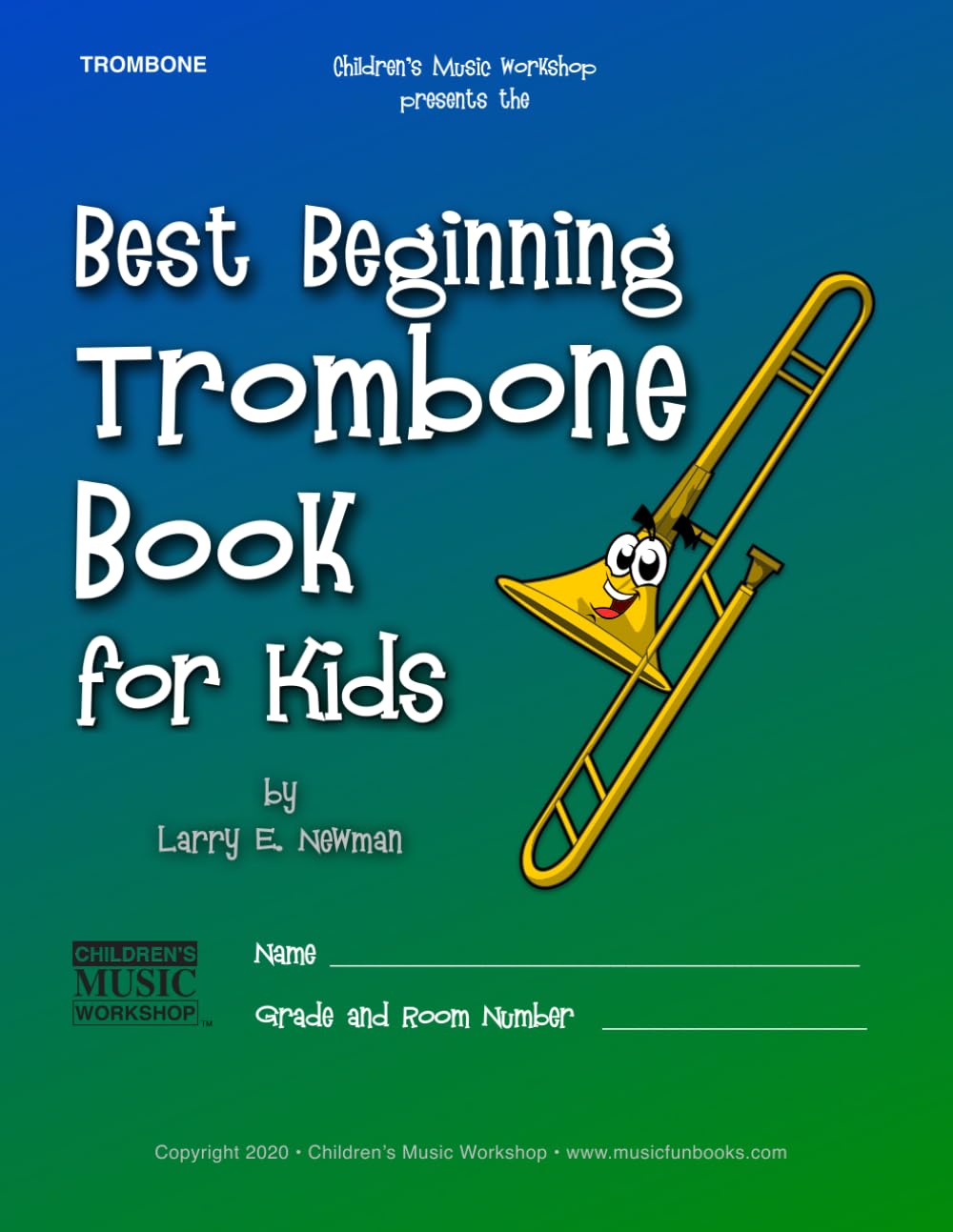
Best Beginning Trombone Book for Kids
Start with the very first trombone notes and slide positions and continue into intermediate study in one complete method. The first half builds reading, rhythm, tone, articulation and slide accuracy step by step; the second half expands into scales, arpeggios, faster rhythms, chromatic playing, melody-and-harmony parts and ensemble repertoire.
- No previous trombone experience required
- Beginning and intermediate material in one book
- Trombone-specific slide, slur and range development
- Free MP3s plus a compatible trumpet companion video
A Beginning Trombone Book That Continues Into the Next Level
The first half keeps assignments short and approachable. After that foundation is secure, the book moves into a wider range, more scales, faster rhythms, chromatic playing and ensemble repertoire.
A Complete Beginning Trombone Method
Students begin with D and E-flat, learn slide positions gradually, and add new notes through short exercises and familiar songs while building breath support, articulation, tone and music reading.
The Intermediate Level Is Already in the Book
After the beginning section, students continue with major and minor scales, arpeggios, sixteenth notes, syncopation, 6/8, triplets, chromatic work and more substantial repertoire.
See Inside the Book
These six pages show the progression from first slide positions through trombone-specific range work and into substantially more advanced music. Click any page to enlarge it.
From First Notes to Intermediate Playing
A student can begin with no experience and move naturally into greater range, stronger slide technique, more independent reading and ensemble performance.
Learn the First Notes
Start with comfortable slide positions, short exercises and simple rhythms.
Build First-Year Skills
Develop reading, articulation, breath support, tone, dynamics and familiar repertoire.
Expand Trombone Technique
Lip builders, slurs, upper notes and wider slide movement build flexibility and control.
Add Scales and Rhythm
Major and minor scales, arpeggios, sixteenth notes, syncopation, 6/8 and triplets broaden technique.
Play More Advanced Music
Chromatic work, melody and harmony parts, rounds and more mature repertoire turn technique into performance skills.
Which Beginning Trombone Book Is the Better Fit?
The books share a comfortable teaching philosophy. The main differences are the student’s age, visual presentation and how far the book continues.
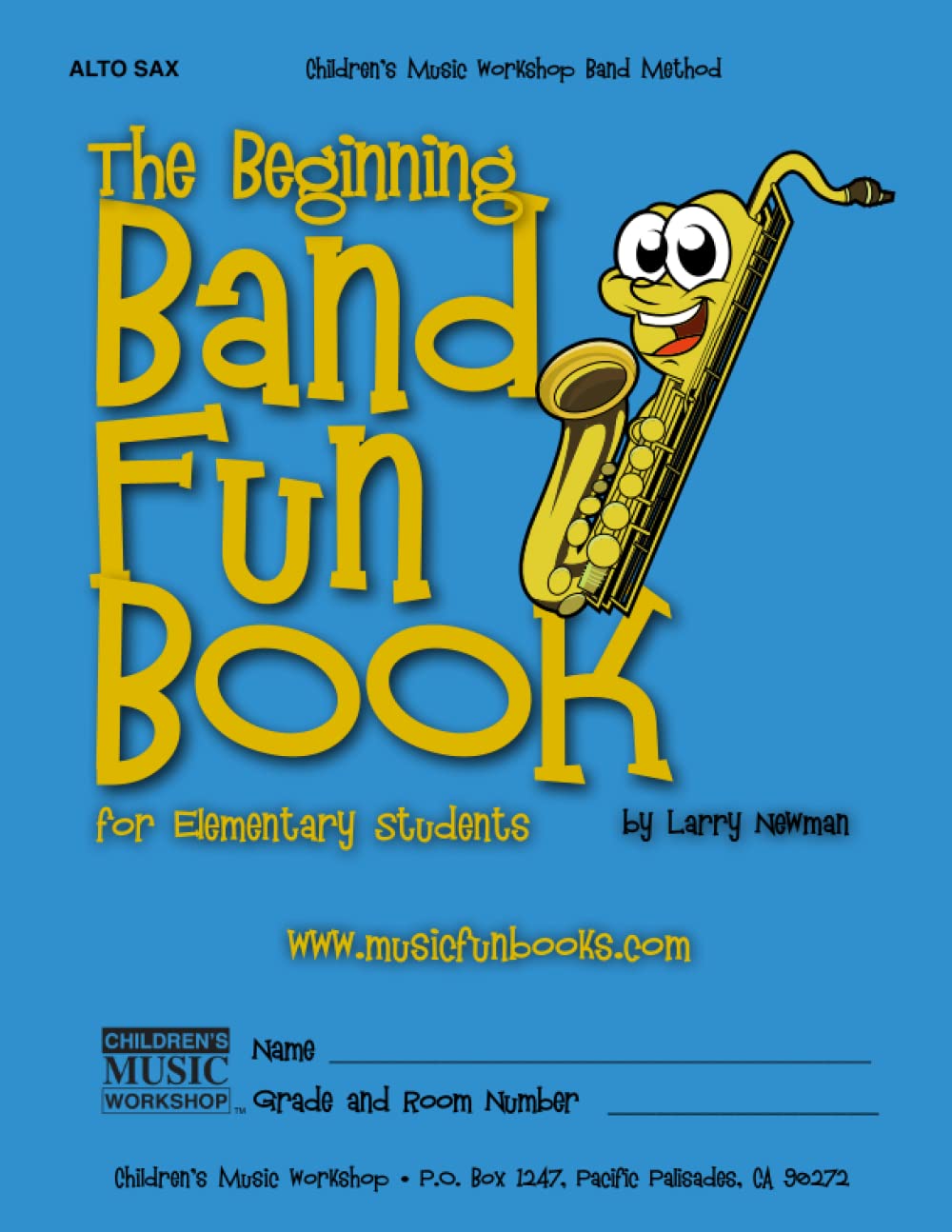
The Beginning Band Fun Book: Trombone
Especially large notation, short assignments and a very gradual elementary presentation make this an excellent first method for younger beginners.
Best Beginning Trombone Book for Kids
A longer, more compact beginning method with the intermediate level already included when the student is ready to move ahead.
Best Beginning Trombone can also work well for a returning student who needs review before moving ahead, but it is complete enough to serve as a first method from lesson one.
Choose an Exercise and Play Along
The video below was recorded for trumpet, but it works well for trombone because the beginning exercises follow the same musical sequence. Keep the trombone book open to the matching exercise and use the slide positions printed in your book. The trumpet player provides the timing, rhythm and musical model while the trombone student plays the correct trombone part.
Beginning Exercises in Trombone Book Order
Use the searchable index to jump to the exercise being practiced. The performer in the video is playing trumpet. That is intentional: the shared beginning sequence lets trombone students use the same demonstration for rhythm, timing and musical shape. Follow the trombone notes and slide positions in your own book rather than the trumpet fingerings shown on screen.
Free MP3 Play-AlongsExercise & Song Index
Search by exercise number or title, then click the exercise you want to practice. The index follows the trombone book’s numbering.
Continue Directly Into Intermediate Trombone
Page 36 announces the move into more intermediate-level material. From there, the book develops wider range, scales, arpeggios, faster rhythms, articulation, chromatic technique and more substantial repertoire.
The later pages include melody-and-harmony writing, rounds, classical themes, folk songs and increasingly demanding trombone technique.
- Major scales and arpeggios
- Minor scales and technical studies
- Upper-register and slur development
- Sixteenth-note technique
- Syncopation and accents
- 6/8 meter and triplets
- Chromatic scale work
- Melody, harmony and ensemble playing
Best Beginning Band Books for Kids
Matching editions are available for common beginning band instruments, making the series useful for lessons, families and school programs.
Matching Books for Five Band Instruments
Each edition follows the same approachable philosophy while adapting technique and range to the individual instrument.

Why I Wrote This Book
Beginning trombone students need enough repetition to make slide positions, tonguing, air support and reading feel comfortable—but they also need music that keeps moving forward.
I wanted a method that could start gently, then continue well beyond the first few months without forcing a student to change books just as the playing became more interesting.
That is why this book combines a carefully paced beginning with trombone-specific lip builders, slurs, range development, scales, faster technique, chromatic playing and ensemble music.
Questions About Best Beginning Trombone Book for Kids
Is this suitable for someone who has never played trombone?
How is this different from The Beginning Band Fun Book for Trombone?
Do I need to use The Beginning Band Fun Book first?
Are free play-along tracks available?
Why does the trombone page use a trumpet video?
Does the book include trombone-specific material?
Does the book include intermediate material?
Can this be used in school band and private lessons?
Start at the Beginning. Keep Going Into the Next Level.
A 104-page trombone method with a comfortable beginner presentation, trombone-specific technique, intermediate development and free online practice support.