Independent method comparison for music educators
Standard of Excellence vs. The Beginning Band Fun Book
Both methods can help students begin successfully, but they were created for different teaching situations. This comparison explains the major differences so directors can choose the approach that best fits their students.
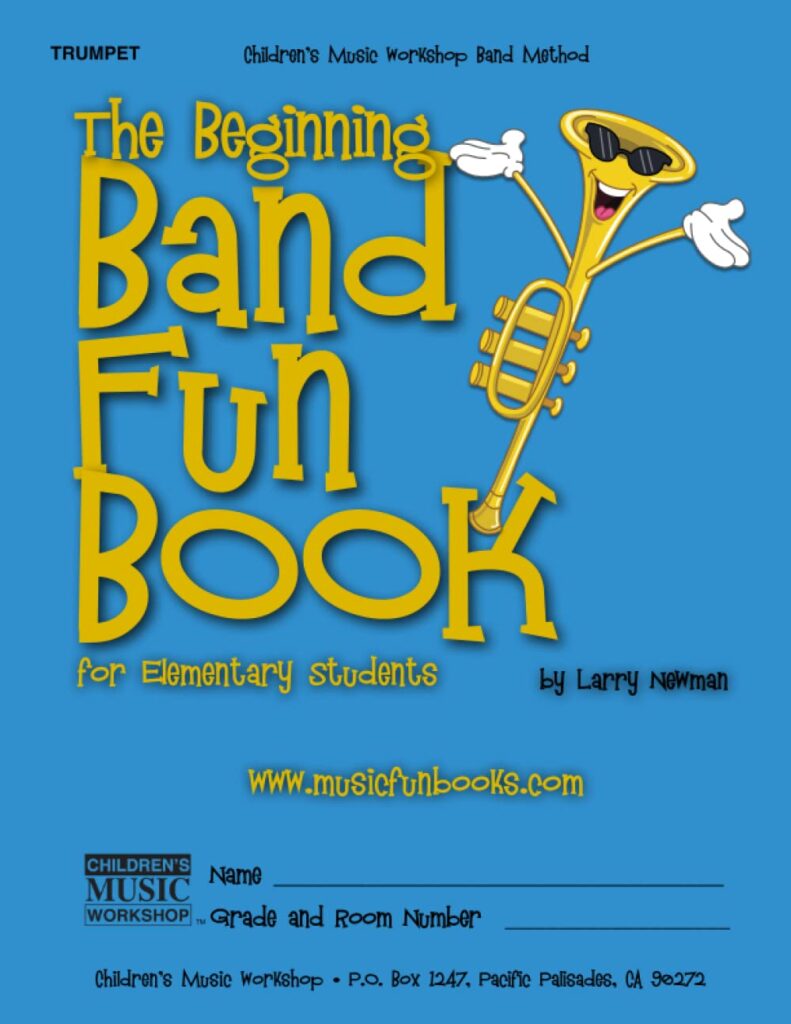
The Beginning Band Fun Book was designed specifically for young elementary beginners.
This comparison was prepared by Larry E. Newman, author of The Beginning Band Fun Book. It is intended to help music educators evaluate which approach best fits their students. Music Fun Books is not affiliated with or endorsed by Bruce Pearson or Neil A. Kjos Music Company. Standard of Excellence is referenced only to identify the method being discussed.
The short answer
Neither method is the best choice for every beginning band
Standard of Excellence is a comprehensive, multi-book band curriculum with substantial musicianship content and extensive director materials. The Beginning Band Fun Book has a narrower purpose: giving elementary-age students a gentle, visually clear, confidence-building introduction to band.
Consider Standard of Excellence when…
You want a broad, performance-centered curriculum that continues through multiple books and includes theory, history, ear training, composition, improvisation, assessment, and detailed conductor resources.
Consider The Beginning Band Fun Book when…
You teach younger elementary beginners who benefit from extra-large notation, fewer measures per page, familiar tunes, gradual pacing, and free practice support that follows the book.
At a glance
A practical side-by-side comparison
The comparison below focuses on differences that matter in an actual beginning band classroom. Standard of Excellence information is based on the publishers’ descriptions of the Comprehensive Band Method. Beginning Band Fun Book information is based on the current series and its companion resources.
| Teaching consideration | Standard of Excellence | The Beginning Band Fun Book |
|---|---|---|
| Primary purpose | A comprehensive, performance-centered band method incorporating performance skills and broader musicianship. | A focused introductory method written specifically for elementary-age beginners. |
| Curriculum span | A continuing sequence of Books 1, 2, and 3. | A short foundational method intended to be achievable within an elementary school year. |
| Page presentation | Full-color drawings and color-coded instructional material. | Extra-large notation, limited material per page, and letters inside the earliest noteheads. |
| Beginning structure | Three starting systems support like-instrument, instrument-family, or full-band instruction. | Introduces one new idea at a time, with short exercises and a deliberately gentle progression. |
| Curriculum breadth | Includes theory, music history, ear training, listening, composition, improvisation, and interdisciplinary and multicultural studies. | Concentrates on first-year note reading, rhythm, tone production, articulation, familiar songs, and early ensemble confidence. |
| Instrument-specific material | Includes instrument-specific exercises and expanded material for instruments such as oboe, horn, and percussion. | Uses separate coordinated editions with elementary-friendly ranges and pacing for each instrument. |
| Assessment and teacher materials | Offers achievement lines, test lines, conductor scores, director tips, worksheets, quizzes, and additional teaching activities. | Emphasizes short, observable playing successes and uncomplicated assignments rather than a large formal assessment system. |
| Home-practice support | Available resources depend on the specific original or Enhanced edition and package selected. | Free individual play-along tracks are available without a login, along with instrument tutorials and clarinet and trumpet page-by-page videos. |
| Strongest fit | Programs seeking a broad, long-term method sequence and a detailed director curriculum. | Elementary programs, especially Grades 3-5, mixed-readiness groups, late starters, and students who need a less visually dense first method. |
Important: Standard of Excellence is available in more than one version. Directors should verify which features and practice resources are included with the exact edition they are considering.
A closer look
What Standard of Excellence does especially well
A fair comparison should begin by recognizing why Standard of Excellence has remained a widely used method. Its greatest strength is comprehensiveness. It gives directors a coordinated framework for instrumental development while also incorporating material beyond the notes and rhythms on the page.
Broad musicianship
The curriculum integrates performance with theory, history, listening, ear training, composition, improvisation, and multicultural study.
Flexible starting systems
Directors can organize the beginning sequence around like instruments, instrument families, or the full band.
Detailed director support
Conductor materials include objectives, teaching suggestions, assessments, worksheets, and interdisciplinary activities.
Instrument-specific attention
Dedicated exercises address challenges unique to particular instruments instead of treating every beginning instrument identically.
Multi-book continuity
Books 1, 2, and 3 provide a continuing path for programs that want to remain with one method sequence.
Structured assessment
Achievement and test lines give teachers defined checkpoints for evaluating student progress.
Paid link. As an Amazon Associate I earn from qualifying purchases.
The key difference
Why The Beginning Band Fun Book takes a narrower approach
The Beginning Band Fun Book is not trying to place an entire comprehensive band curriculum into one first-year volume. It was designed to solve a more specific problem: many young elementary students become overwhelmed before they have enough early success to think of themselves as musicians.
A comprehensive curriculum prioritizes…
- A long instructional sequence
- Broad musicianship and interdisciplinary content
- Formal assessment tools
- Extensive conductor resources
- Continuity across several method books
An elementary-only introduction prioritizes…
- Extra-large, easy-to-read notation
- Less visual information on each page
- Short exercises and recognizable tunes
- Gentle ranges and gradual skill development
- Confidence, retention, and successful home practice
Choosing for your program
Which beginning band method should you choose?
Standard of Excellence may be the stronger choice if…
- Your program wants one comprehensive sequence extending through several levels.
- You want theory, history, composition, improvisation, listening, and assessment integrated into the method.
- Your students can comfortably manage a fuller curriculum and longer-term progression.
- You want extensive conductor materials and formal evaluation tools.
The Beginning Band Fun Book may be the stronger choice if…
- Your beginners are primarily in Grades 3-5.
- Your students meet only once or twice per week or have limited home support.
- Large notation and less material per page would improve reading and focus.
- Your main first-year goals are participation, confidence, retention, and enjoyable music-making.
Not necessarily either-or
Can the two approaches work together?
Yes. Some teachers may find that the most practical answer is a sequence rather than a permanent choice. The Beginning Band Fun Book can provide a supportive first step for younger students. After students have developed basic tone production, music-reading skills, rehearsal habits, and confidence, a director can transition them into a more comprehensive district-adopted method.
This approach lets teachers match the amount of information on the page to the developmental readiness of the students while preserving a path into a broader long-term curriculum.

“The most important question is not which method contains the most material. It is which method gives these particular students the best chance to succeed and continue playing.”
Larry E. Newman
Music educator, author of The Beginning Band Fun Book, and founder of Music Fun Books
Common questions
Standard of Excellence and Beginning Band Fun Book FAQ
Is The Beginning Band Fun Book a replacement for Standard of Excellence?
Not in every program. It can serve as an alternative first method for younger elementary students or as a preparatory method before students transition into a more comprehensive curriculum.
Which method is better for elementary school beginners?
That depends on the students’ age, readiness, meeting frequency, and the director’s goals. The Beginning Band Fun Book is specifically designed for Grades 2-5, while Standard of Excellence offers a broader multi-book curriculum with substantially more musicianship and teacher material.
Which method provides more comprehensive curriculum material?
Standard of Excellence. Its published scope includes theory, history, listening, ear training, composition, improvisation, multicultural studies, assessments, and extensive conductor resources.
Which method has the simpler page design?
The Beginning Band Fun Book was intentionally created with extra-large notation, limited material per page, short exercises, and letters inside the earliest noteheads to reduce visual overload for young beginners.
Does The Beginning Band Fun Book include audio or video support?
Yes. Students can use free individual play-along tracks without creating an account. The series also provides beginner instrument tutorials and page-by-page clarinet and trumpet demonstration videos.
Sources and comparison methodology
This page compares the stated design and published features of both methods. Readers can verify the source information here:
Would a gentler first method help your elementary beginners?
Explore The Beginning Band Fun Book editions, listen to the free play-along tracks, and decide whether its elementary-only approach fits your students.
Comparison last reviewed August 2026. Product features may change; verify current editions with each publisher.