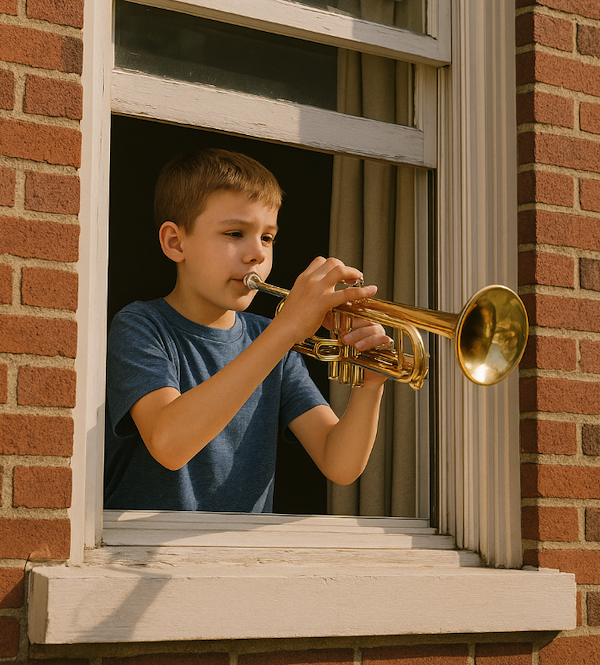
How to Practice Trumpet in an Apartment Without Disturbing the Neighbors
Trumpet practice in an apartment can be challenging, but it is usually manageable with a practice mute, reasonable practice hours, careful room selection, and respectful communication with neighbors.
The easiest way to reduce trumpet noise in an apartment is to use a well-fitting practice mute and practice during agreed-upon daytime hours.
Additional sound reduction can come from practicing in a carpeted interior room surrounded by clothing, curtains, upholstered furniture, and other soft materials.
A trumpet produces a strong, directional sound that can travel through walls, ceilings, floors, hallways, and open windows. This does not mean that a child or adult living in an apartment must stop practicing. The goal is to combine several practical strategies so regular trumpet practice remains possible without creating unnecessary conflict.
Eight Ways to Practice Trumpet Quietly in an Apartment
No single method eliminates all sound. The best apartment trumpet practice routine usually combines a practice mute, a suitable room, shorter sessions, considerate scheduling, and communication with neighbors.
Use a Trumpet Practice Mute
A trumpet practice mute fits inside the bell and substantially reduces the instrument’s volume. This is usually the most effective and affordable solution for quiet trumpet practice in an apartment.
Choose a mute made specifically for practice rather than a straight, cup, harmon, or other performance mute.
Choose an Interior Room
Practice in a room that does not share a wall with a neighbor whenever possible. Interior rooms and closets usually transmit less sound outdoors than rooms with large windows or exterior walls.
Practice in a Clothes Closet
A walk-in closet filled with hanging clothes can absorb some reflected sound. Face the trumpet toward the clothing rather than toward the door or a bare wall. Keep the door partly open if ventilation becomes uncomfortable.
Schedule Reasonable Practice Times
Avoid early mornings, late evenings, and other quiet periods. Daytime or early evening trumpet practice is generally more considerate. A predictable schedule can also help neighbors plan around the sound.
Keep Practice Sessions Focused
Two focused fifteen-minute sessions may be less disruptive and more productive than one unfocused hour. Decide what will be practiced before beginning.
Add Soft Furnishings
Rugs, carpet, curtains, upholstered furniture, bookshelves, and fabric wall hangings can reduce harsh reflections. They will not soundproof the room, but they can make the sound less bright and reflective.
Talk with Your Neighbors
A friendly conversation can prevent misunderstandings. Ask whether certain times are especially inconvenient and provide a way for neighbors to communicate concerns respectfully.
Find an Alternate Practice Location
Ask whether a school music room, church classroom, community center, rehearsal studio, garage, or another suitable location is available for open trumpet practice.
What Is the Best Trumpet Practice Mute for an Apartment?
The best trumpet practice mute is one that reduces volume substantially while maintaining reasonably comfortable airflow and accurate intonation. Some models are simple acoustic mutes, while electronic systems allow the player to hear an amplified trumpet sound through headphones.
No practice mute feels exactly like playing an open trumpet. Players should also schedule occasional open playing in an appropriate location so tone, projection, intonation, and airflow remain balanced.
Tips for Practicing with a Trumpet Mute
How to Set Up a Quiet Trumpet Practice Area
A few inexpensive adjustments can reduce reflected sound and make apartment trumpet practice more comfortable for the player and nearby residents.
Sound Treatment Is Not the Same as Soundproofing
Foam panels, rugs, curtains, and acoustic tiles can reduce echo inside a room, but they do not completely prevent trumpet sound from passing through apartment walls, floors, or ceilings.
True soundproofing usually requires structural work involving mass, sealed openings, isolated walls, or specialized construction. Renters should not make permanent modifications without written permission from the property owner.
Trumpet Practice That Makes Almost No Noise
Not every part of a trumpet practice session requires full-volume playing. Quiet musical work can still produce meaningful progress.
Frequently Asked Questions About Apartment Trumpet Practice
These direct answers address common questions about quiet trumpet practice, practice mutes, room treatment, and apartment noise.
Can you practice trumpet quietly in an apartment?
Yes. A practice mute, suitable room, reasonable schedule, and shorter sessions can reduce the disturbance considerably.
How much does a trumpet practice mute reduce the sound?
The amount varies by design, but a dedicated practice mute usually makes the instrument substantially quieter than open playing.
Is it bad to practice trumpet with a mute every day?
Muted practice is useful, but players should also practice without the mute regularly so they can evaluate natural tone, projection, intonation, and airflow.
Will acoustic foam soundproof a trumpet practice room?
No. Acoustic foam reduces echo inside the room but does not completely stop trumpet sound from traveling through walls, floors, and ceilings.
What time should a child practice trumpet in an apartment?
Daytime or early evening is usually best. Check the lease, building rules, applicable quiet hours, and the schedules of nearby neighbors.
Is practicing trumpet in a parked car a good idea?
It can be an occasional option for an adult in a safe and legal location. Children should be supervised. Never practice in an enclosed area with a running engine or remain in an overheated vehicle.
The Bottom Line
Practicing trumpet in an apartment requires planning, but it does not have to stop a student from progressing. Use a quality practice mute, choose the quietest room, add soft furnishings, schedule considerate practice times, and communicate with neighbors. Combine muted playing with silent rhythm, fingering, listening, and music-reading work to create a productive and apartment-friendly trumpet routine.
Explore More Trumpet and Music Education Help
Find practical trumpet tips and music education articles for parents, teachers, and young musicians in the Music Fun Books resource center.
Visit Music Resources