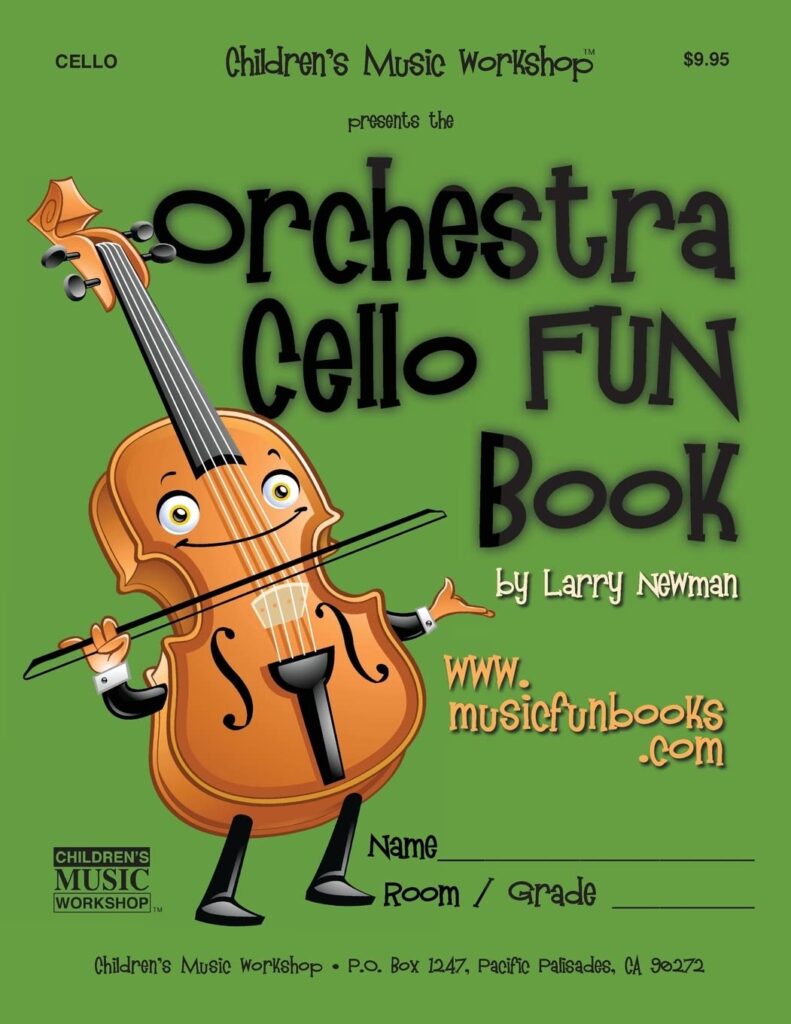
Engaging method book for young cellists
The Orchestra Cello FUN Book
What Is This Book?
The Orchestra Cello Fun Book is a playful yet structured method book for second- and third-year cello students. It combines exercises, solos, and duets to build strong technique while keeping practice enjoyable. Designed for flexible use, it supports a wide range of teaching styles and musical approaches.
Who Is This Book For?
This book is ideal for elementary and middle school cellists in their second or third year of playing.
It works well for school orchestra programs, private lessons, studio classes, and motivated home learners.
It’s also a strong fit for small ensembles, group classes, and mixed-level string programs that want coordinated materials across instruments.
What Makes This Book Easy for Kids to Learn?
The lessons are broken into small, manageable steps so students can progress without feeling overwhelmed.
Clear, uncluttered page layouts help young players focus on the notes, rhythms, and bowings they need to learn.
Repetition is built into the music and exercises, reinforcing key skills in a way that feels musical rather than like drills.
A gradual progression of difficulty helps students gain confidence as they see and hear their own improvement.
What Music Does the Book Include?
This book includes tuneful exercises that build core technique while sounding musical to young players.
It contains solos that let students showcase new skills in recitals, group classes, or school concerts.
Enjoyable duets encourage listening, ensemble awareness, and the fun of making music together.
The material supports a range of styles, making it easy to integrate with classical, contemporary, or hybrid cello programs.
Are There Fun Extras Included?
This book focuses on the music itself and does not include additional extras.
What’s Inside the Book?
Progressive exercises that reinforce posture, bowing, and finger patterns
Solos designed for second- and third-year cellists to build confidence and expression
Duets that develop ensemble skills and listening in a fun, social way
Sight-reading practice woven into short, accessible pieces
Rhythm work that strengthens steady beat and basic rhythmic understanding
Elementary music theory concepts connected directly to the music on the page
Music appreciation elements that help students understand what they are playing
Flexible content that works as a primary method or as a supplement to other books
Skills Your Child Will Learn
Improved cello posture and left-hand setup
Fundamental bow holds and basic bowing techniques
Stronger rhythm reading and counting skills
Music sight-reading and note recognition
Early music theory understanding in a practical context
Better tone production and control
Confidence in solo and ensemble playing
Creativity, expression, and musical phrasing
Listening skills for playing with others
Overall musicality and enjoyment of the cello
How to Use This Book
Use the book as a core method for second- or third-year students in private lessons or school orchestra.
Assign exercises and short pieces for weekly practice to reinforce posture, rhythm, and basic technique.
In group classes or ensembles, use the solos and duets to practice playing together, counting, and listening.
Pair it with other method or repertoire books to add variety and extra reading, rhythm, and ensemble work.
Parents can follow the clear progression of pieces to support regular, focused home practice.
Frequently Asked Questions
What level of cellist is this book best for?
It is written for second- and third-year cello students who already know basic playing position and can read simple music.
Can this book be used in a school orchestra program?
Yes. It is well-suited for school orchestras and group classes, and it also coordinates easily with matching books for violin, viola, and bass.
Is this book only for classical cello students?
No. While it builds classical fundamentals, the skills and pieces support classical, contemporary, and blended teaching styles.
Can parents with no musical background use this book at home?
Yes. The clear structure and progressive layout make it accessible for non-musician parents to support home practice.
Can it be used alongside other method books?
Absolutely. It works well as either a primary method or a supplemental resource for extra reading, technique, and ensemble material.
Learn More
For additional music tutorials and demonstrations, visit the official Music Fun Books YouTube Channel.
Where to get it
Available now on Amazon.