Larry E. Newman
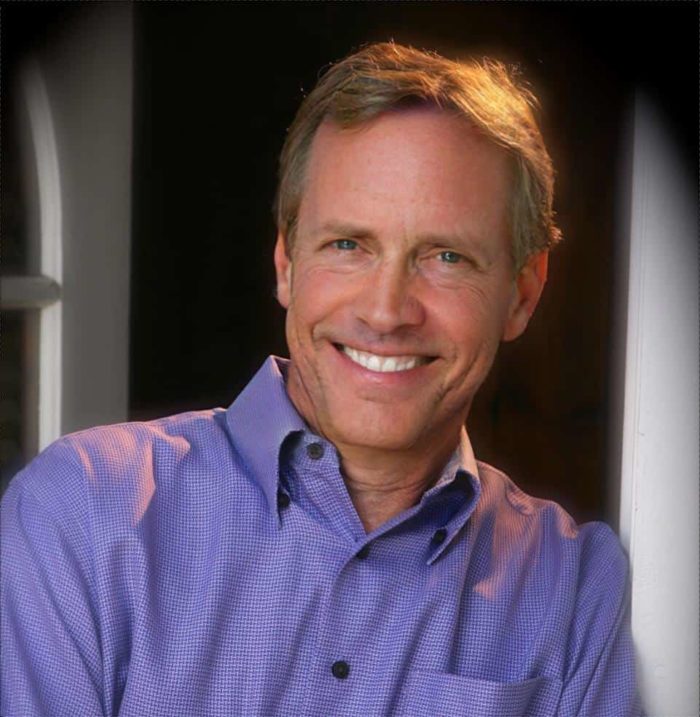


Meet Larry Newman
Musician, educator, author, and entrepreneur Larry Newman shares how performing, teaching, and publishing came together to create a life in music.
Interview published July 22, 2026
We recently connected with Larry Newman to talk about building a sustainable creative career, creating Music Fun Books, and helping children experience a lifelong love of music.
Earning a full-time living from a creative career can be incredibly difficult. Have you been able to do so? What parts of your journey, advice, or lessons might help other creative professionals?
Yes, I have been fortunate to earn a full-time living from creative work, but it was not that way from the beginning. My career developed gradually through a combination of performing, teaching, entrepreneurship, and publishing. I began as a professional trumpet player and music educator, and over time I realized that building a sustainable life in music would require creating several related sources of income rather than depending on only one.
A major turning point came when I founded Children’s Music Workshop in 1994. What began as an effort to provide high-quality instrumental instruction grew into a music education organization serving schools and families throughout Los Angeles. As the organization expanded, I had to learn skills that were not taught in music school: hiring and managing teachers, developing programs, working with school administrators, communicating with parents, marketing, budgeting, and building systems that could support long-term growth.
Publishing became another major part of the journey. I began turning the materials I had created for my own students into instructional books, which eventually developed into Music Fun Books. That allowed me to reach students and teachers far beyond the schools where I worked personally and created a form of income that could continue beyond the time spent on a single lesson or performance.
Looking back, I might have moved more quickly if I had understood earlier how important ownership, intellectual property, marketing, and multiple income streams are for creative professionals. Talent and hard work are essential, but so are learning how to build something that can grow and continue creating value. My career was not built through one dramatic breakthrough. It was built through many years of combining creativity with consistency, adaptability, and a willingness to learn the business side of the arts.
Before we get into the rest of our questions, can you briefly introduce yourself to our readers?
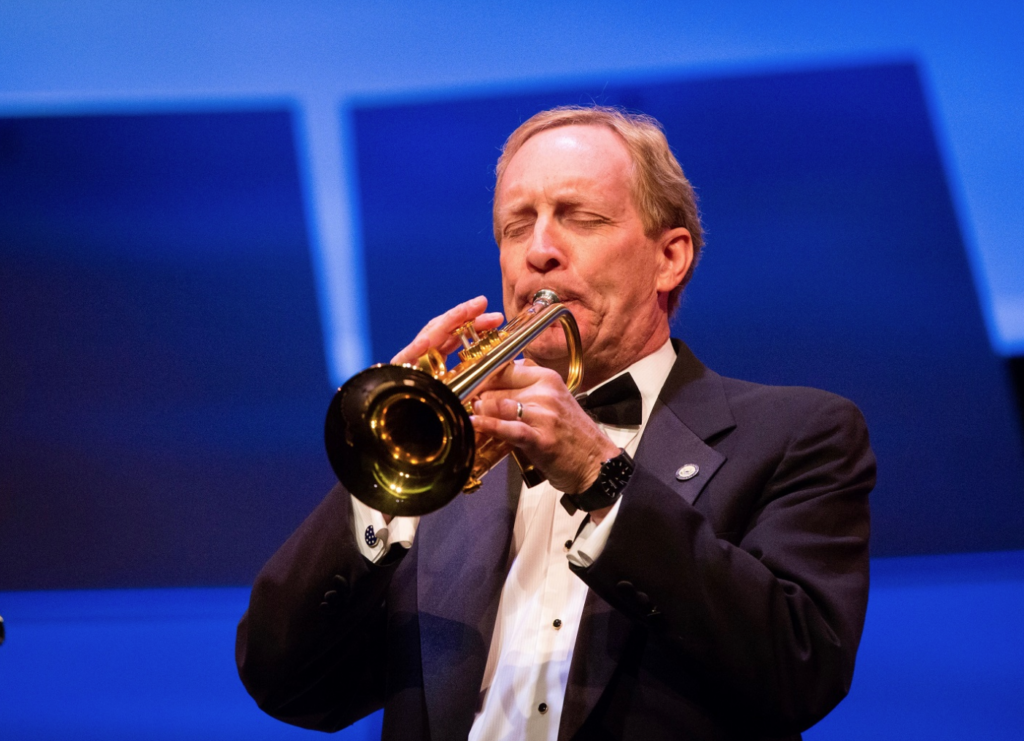
I am a musician, music educator, author, and entrepreneur whose career has been centered on helping children experience the joy and confidence that can come from learning to play an instrument. I began professionally as a trumpet player and teacher, and those two parts of my life have always remained connected. Performing keeps me engaged with music as an art form, while teaching has shown me how deeply music can affect a child’s confidence, discipline, creativity, and sense of belonging.
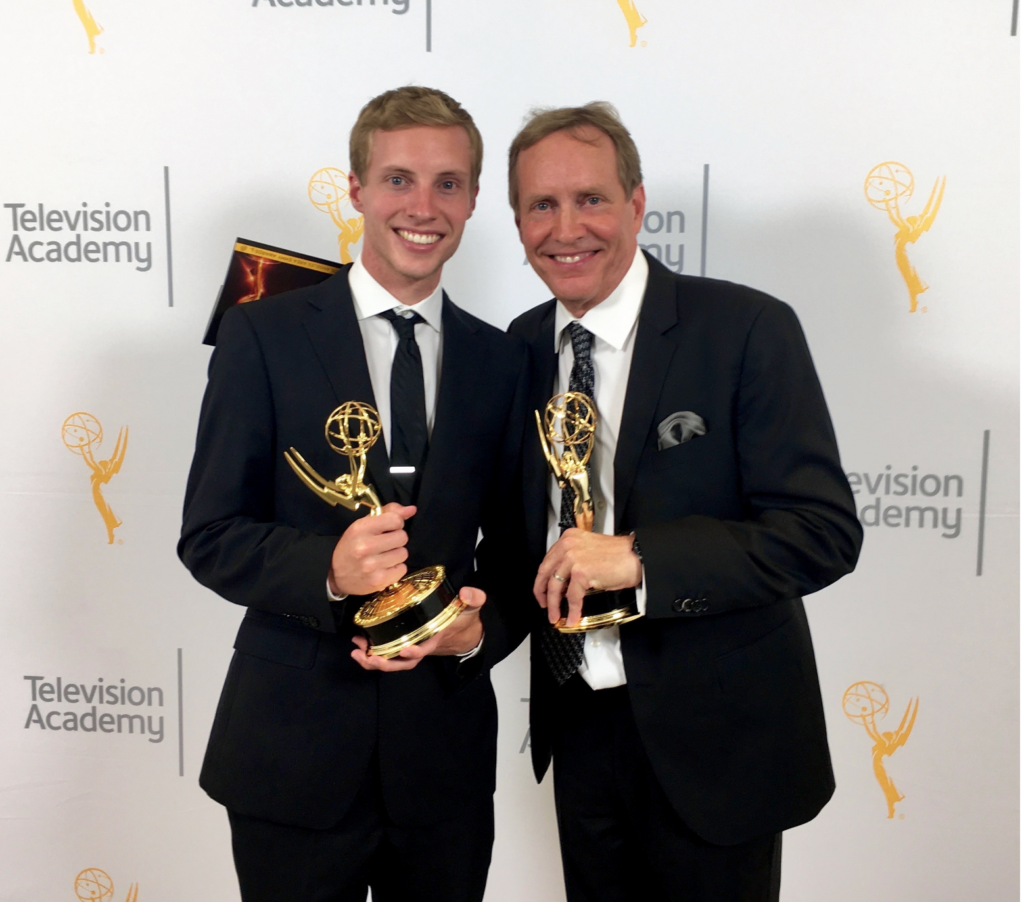
In 1994, I founded Children’s Music Workshop to provide instrumental music education in schools throughout the Los Angeles area. The organization was created around a simple idea: children deserve music instruction that is both educationally sound and genuinely enjoyable. Over the years, we have introduced many young students to band and orchestra instruments and have worked to make beginning music education organized, encouraging, and accessible. The programs have also received five Los Angeles Area Emmy Awards, something I am very proud of because it reflects the work of many talented teachers, students, families, and collaborators.
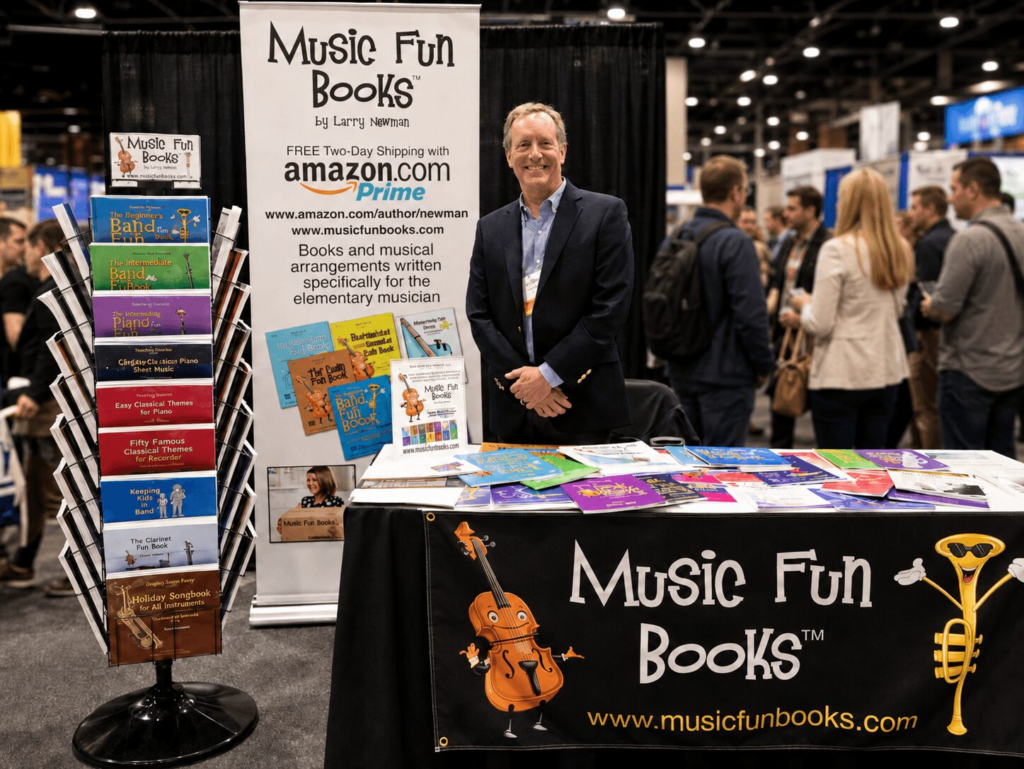
I am also the founder of Music Fun Books, a publishing company with more than 350 instructional and performance titles for young musicians and beginning students. The catalog includes materials for strings, woodwinds, brass, piano, guitar, ukulele, and recorder. Many of the books grew directly out of problems I encountered as a teacher. I wanted materials that moved at an appropriate pace, explained concepts clearly, looked inviting to children, and helped students experience success early enough to remain motivated.
What sets my work apart is that it comes from decades of direct experience with actual students. I do not approach music education only as a writer or publisher. I have spent years watching children struggle with certain concepts, lose interest when materials move too quickly, and become excited when a lesson finally makes sense. That experience shapes every book and program I create. My goal is not simply to teach notes and rhythms. It is to remove unnecessary obstacles so that students can begin making music and feeling successful as soon as possible.
I am especially proud that the different parts of my career support one another. Teaching has made me a more practical author. Performing has kept me connected to the standards and traditions of professional musicianship. Entrepreneurship has allowed me to develop programs and materials independently and respond directly to what teachers and students need. I continue to perform regularly, including leading the Newman Jazz Workshop, because remaining an active musician is an important part of who I am.
The main thing I hope people understand about my work is that music education can be rigorous without being intimidating. Children learn best when they are challenged, encouraged, and given materials that respect both their abilities and their attention spans. Whether I am creating a school program, writing a beginning method book, or performing with other musicians, my mission remains the same: to help more people participate in music and experience the lifelong value it can bring.
What goal or mission drives your creative journey?
The mission driving my creative work today is to make learning an instrument more approachable, enjoyable, and successful for children. After decades of teaching beginning musicians, I have seen that many students do not quit because they lack talent. They quit because the material moves too quickly, feels confusing, or does not give them enough early success to remain motivated.
That experience is what led me to create Music Fun Books. My books are designed from the perspective of someone who has actually spent years teaching children in classrooms, rehearsals, and private lessons. I know where beginning students tend to struggle, what explanations make sense to them, and how important it is for a young musician to play something recognizable and enjoyable as early as possible.
Music Fun Books has grown into a catalog of more than 350 titles for instruments including violin, viola, cello, flute, clarinet, saxophone, trumpet, trombone, piano, guitar, ukulele, and recorder. The collection includes beginning methods, solo books, holiday music, classical themes, patriotic music, duets, and other materials created to support students at different stages of development. Although the catalog is extensive, the purpose behind it remains very simple: help more children experience the feeling that they can make music.
At this stage of my career, publishing has become my primary creative focus. I am proud of the music programs I built and the students I taught, but books allow that work to continue on a much larger scale. A book can reach a child or teacher in a town I may never visit, and it can continue helping students long after I have written it. That is especially meaningful to me.
I want teachers and parents to know that these are not books created only from theory or from studying the marketplace. They grew out of real teaching experience and real problems encountered by beginning musicians. My goal is to create materials that are clear, encouraging, musically worthwhile, and enjoyable enough that students want to keep going. Helping a child develop a lifelong relationship with music is the mission that continues to drive my work.
Can you share the story of a time when you had to pivot?
One of the most important pivots in my career has been the gradual transition from operating school music programs to concentrating primarily on Music Fun Books. For many years, most of my professional energy went into Children’s Music Workshop, the organization I founded in 1994. Building and managing music programs throughout Los Angeles was deeply rewarding, but it was also very hands-on. There were teachers to hire, schools to serve, parents to communicate with, performances to organize, and countless daily problems to solve.
At the same time, I had been creating instructional materials based on what I was seeing in actual classrooms. I often found that existing books did not move at the right pace for young beginners or did not provide enough enjoyable music to keep them engaged. I began writing materials to solve those problems for my own students, and those materials gradually became Music Fun Books.
As I approached retirement from the day-to-day operation of the school programs, I had to think carefully about what I wanted the next chapter of my creative life to be. I did not want to stop working, and I certainly did not want to stop contributing to music education. I realized that publishing offered a way to take everything I had learned from decades of teaching and make it available to students and teachers far beyond the schools I could personally reach.
That shift required a different kind of thinking. Instead of concentrating mainly on schedules, staffing, and individual school programs, I began focusing more deeply on writing, editing, design, distribution, online visibility, and developing a catalog that could serve many kinds of beginning musicians. Music Fun Books has now grown to more than 350 titles for instruments including strings, woodwinds, brass, piano, guitar, ukulele, and recorder.
The pivot has allowed me to remain creatively active while also building something with lasting value. A school program may serve hundreds or thousands of students over time, but a book can continue reaching new children year after year and can travel anywhere in the world. I still perform and remain connected to teaching, but Music Fun Books has become the central focus of this stage of my life.
What I have learned is that retirement does not necessarily mean withdrawing from meaningful work. Sometimes it means identifying the part of your work that has the greatest potential to continue growing and giving it your full attention. For me, that has been creating books that help children begin music successfully and, ideally, stay with it for a lifetime.
Explore Larry’s Work
Discover music books for young and beginning musicians, or follow Larry’s latest educational and performance projects.
Adapted from an interview originally published by CanvasRebel on July 22, 2026.