Music Fun Books beginner instrument guide
Beginner’s Guide to the Clarinet
A practical guide for parents, children, and music teachers covering readiness, instrument fit, reeds and mouthpieces, renting or buying, first lessons, and everyday clarinet care.
Many children begin in fourth or fifth grade, when their hands can comfortably cover the tone holes and reach the keys.
The right thumb supports the instrument while both hands cover open tone holes. Comfortable reach is essential for clear notes.
A suitable beginner reed, correctly placed on the mouthpiece, can make the first sound much easier and more rewarding.
Meet the instrument
What is the clarinet?
The B-flat clarinet is a single-reed woodwind instrument with a wide range and a warm, flexible sound. The player blows through a mouthpiece while a thin reed vibrates against it, then changes notes by covering tone holes and operating keys.
Where children play it
The clarinet is common in elementary and middle school bands, concert bands, orchestras, marching bands, jazz groups, chamber ensembles, and private lessons. It often plays melody and can later lead to bass clarinet or related woodwinds.
What makes it distinctive
The standard clarinet is portable and light to carry, but it asks the fingers to seal open holes completely. Tone depends on a coordinated embouchure, steady air, tongue position, and a reed that matches the mouthpiece and player.
Teaching perspective: In more than four decades of elementary instrumental music teaching, Larry Newman has found that clarinet beginners progress best when the instrument seals properly, the reed responds easily, and each new fingering is introduced through short, familiar music.
A good match for a child?
Look for readiness, not one perfect starting age
Many school programs introduce clarinet in fourth or fifth grade. A younger or smaller child may also succeed, but the student must be able to support the instrument, reach the keys, and cover the tone holes without strain.
Comfortable hand span
The fingers should curve naturally over the tone holes and keys. Stretching, collapsing knuckles, or sliding fingers off center can cause leaks.
Thumb support
The right thumb carries much of the clarinet’s weight. The student should hold it without a painful thumb, tight shoulder, or bent wrist.
Breath and embouchure
A clear sound requires steady air and a firm but not biting mouth position. The child should be able to listen, adjust, and try again patiently.
Careful habits
Reeds are delicate, and assembly requires attention. A student who can follow a short routine is more likely to keep the instrument working well.
A simple fit test: With a teacher watching, ask the child to place the left fingers over the upper-joint holes and the right fingers over the lower-joint holes. All holes should close without straightening the fingers, twisting the wrists, or squeezing the keys.
Renting, buying, and setup
How to choose a beginner clarinet
A dependable student clarinet should seal well, have smooth key action, and be supported by a repair service. Most school beginners use a durable B-flat clarinet made from ABS resin or another quality synthetic material.
Renting can be a smart first step
- It gives a new student time to confirm that clarinet is the right choice.
- Many school-oriented rental programs include maintenance, exchanges, or a loaner during repair.
- A properly serviced rental can be safer than an inexpensive untested purchase.
- Ask what portion of the rental applies toward purchase and what damage coverage includes.
Buying can work when quality is verified
- Choose a recognized student model that a local technician can service and find parts for.
- Ask a teacher or experienced clarinetist to play-test the instrument before purchase.
- Make sure pads seal, keys return freely, joints fit securely, and the case protects every part.
- Budget for reeds, a swab, cork grease, a reed guard, a music stand, and a suitable method book.
What should parents avoid?
A clarinet with leaking pads, bent keys, poorly fitted joints, or an unreliable mouthpiece can make a beginner struggle and squeak through no fault of the child. Avoid choosing solely by price, color, or online reviews. Be especially cautious with unfamiliar models that local repair shops will not service.
The first lessons
How beginners get started
The first lessons should establish safe assembly, a responsive reed, relaxed hand position, and a centered sound. A few notes played well are more valuable than rushing through the full instrument range.
-
Learn the five main parts.Identify the mouthpiece, barrel, upper joint, lower joint, and bell before putting the instrument together.
-
Prepare and place the reed.Moisten the reed as the teacher recommends, center it on the flat mouthpiece table, and secure it with the ligature without damaging the tip.
-
Assemble without bending keys.Use a small amount of cork grease only when a joint feels tight. Twist gently while avoiding pressure on the keywork, and align the bridge keys correctly.
-
Build the first sound.Sit tall, keep the corners of the mouth firm, use steady air, and avoid biting. A teacher can adjust reed strength, placement, and mouthpiece angle if the sound does not respond.
-
Add a few notes and short songs.Early notes such as E, D, and C let the student coordinate air, tongue, fingers, rhythm, and reading without too much information at once.
About reed strength: Harder does not mean more advanced or better. The right reed should respond comfortably on the student’s mouthpiece without feeling uncontrolled or overly resistant. Let the teacher recommend the starting strength and adjust it as the student develops.
Watch: How to Play the Clarinet
These short video lessons demonstrate the same first steps described above. Choose any lesson below and it will play here without leaving the Clarinet guide.
Protect the instrument
Simple clarinet care after every practice
Moisture collects inside the clarinet whenever it is played. A consistent routine protects the pads, corks, mouthpiece, and reed while helping the instrument respond reliably.
After playing
- Remove the reed carefully, wipe away excess moisture, and store it flat in a reed guard.
- Pull a clean clarinet swab through each joint to remove moisture.
- Wipe the mouthpiece with an appropriate soft cloth and keep its tip and rails protected.
- Disassemble by holding the body sections rather than squeezing the keys.
- Return every part to its fitted place in the case before closing it.
Leave repairs to a technician
- Do not bend keys, adjust springs, or tighten random screws at home.
- Use cork grease sparingly and only when a joint feels tight.
- Never force stubborn joints together or pull them apart by the keys.
- Ask for service if notes stop speaking, pads remain wet or sticky, keys move slowly, or joints wobble.
- Never leave the clarinet in a hot or cold car.
Questions parents ask
Frequently asked questions about beginning clarinet
What age is best for starting the clarinet?
There is no universal best age. Many children begin in fourth or fifth grade. The important test is whether the child can comfortably support the instrument, cover the tone holes, reach the keys, follow an assembly routine, and stay interested through the first sound exercises.
What kind of clarinet should a beginner use?
Most school beginners use a B-flat student clarinet. A quality synthetic body is durable, stable in changing weather, and well suited to school use. A wooden clarinet can be a later step, but it costs more and requires more careful temperature and humidity management.
Why does the clarinet squeak?
A squeak can come from an uncovered tone hole, a finger touching an extra key, an unstable embouchure, incorrect tongue position, reed damage, poor reed placement, or an instrument leak. The teacher should check both technique and equipment instead of treating every squeak as lack of practice.
What reed strength should a beginner use?
There is no single number that fits every mouthpiece and student. Beginners often use a softer reed because it responds more easily, but the teacher should match the reed to the mouthpiece and player. A reed that is too hard may feel resistant; one that is too soft may feel unstable.
Should a beginner rent or buy?
Renting is often useful while a child is trying the instrument and can provide repair support or an exchange option. Buying can make sense when the family chooses a dependable student model that has been tested, can be serviced locally, and includes a protective case.
How long should a young beginner practice?
Consistency matters more than one long session. Begin with short, attentive practice that includes reed setup, a comfortable sound, a few notes, and one or two songs. Stop before fatigue causes biting, collapsed hand position, or careless assembly.
Music Fun Books resources
Three useful ways to begin learning
These resources serve different needs. Choose a child-focused school-band method, a broader beginning-to-intermediate method, or a familiar-song collection that strengthens early music reading.
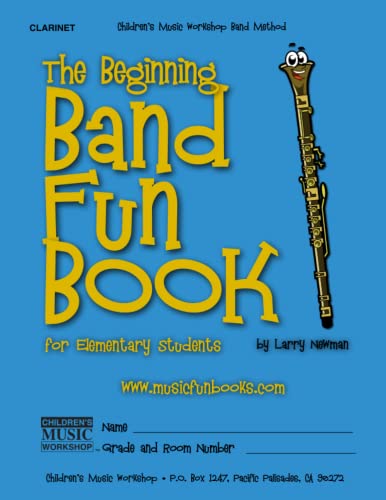
The Beginning Band Fun Book (Clarinet)
A child-focused school-band method with large notes, letter names inside the note heads, clear diagrams, gradual pacing, and free online audio and video support.
Learn About This Clarinet Book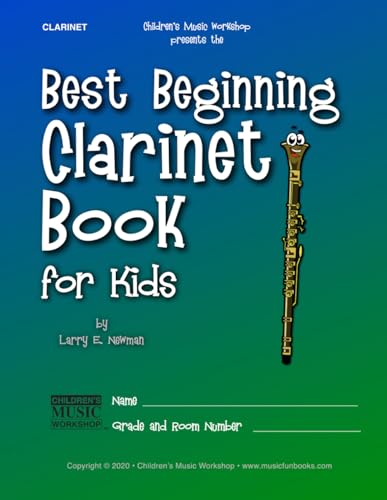
Best Beginning Clarinet Book for Kids
A beginning-to-intermediate method with clear instruction, familiar songs, solos, duets, trios, and free online support for school, lessons, or home practice.
Learn About This Clarinet Book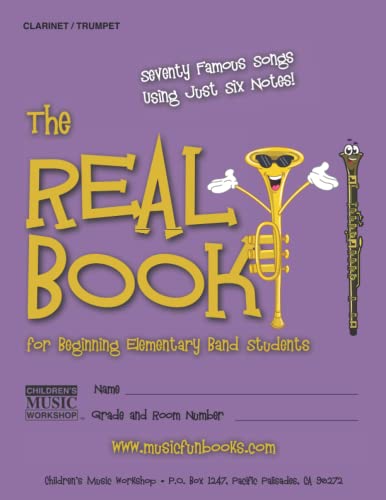
The Real Book for Beginning Elementary Band Students (Clarinet/Trumpet)
Seventy familiar songs using only six notes, with letter names in the first half and standard notation in the second to encourage independent reading.
Learn About This Clarinet BookContinue learning
Clarinet books, practice support, and next steps
Browse all Clarinet Books
Explore the complete Music Fun Books collection of methods, reading books, solos, duets, trios, holiday music, and repertoire for clarinet.
Visit the Clarinet Books collectionUse free Beginning Band support
Listen to play-along tracks and watch beginner instrument videos that support students using The Beginning Band Fun Book.
Open the audio and video support pageStrengthen note reading
Help a developing player move from letter names inside the note heads toward confident reading of standard clarinet notation.
Explore How to Read Music on the ClarinetCompare beginning band methods
See how the Beginning Band Fun Book compares with four widely used school-band methods in pacing, presentation, and student support.
Visit the band-method comparisonsChoose the instrument first, then choose the right learning path
A reliable clarinet, a responsive reed, careful assembly, and short successful practice sessions can give a young musician a confident beginning.
Explore All Beginner Instrument Guides